Choosing the right camera power cable is one of the most overlooked yet critical decisions in professional video production. While cameras, lenses, and lighting often get the most attention, power delivery is what keeps everything running smoothly. A low-quality or incompatible cable can lead to unstable voltage, unexpected shutdowns, or even permanent equipment damage.
For production companies, rental houses, and system integrators, selecting the correct cable is not just a technical decision—it directly impacts workflow efficiency, shooting reliability, and long-term equipment safety.
Understanding Camera Power Requirements
Different cinema cameras have different power input standards. For example:
- ARRI cameras often use 2-pin LEMO connectors
- RED cameras may require specific DC input configurations
- Blackmagic cameras commonly support D-Tap or locking DC inputs
Understanding voltage and connector compatibility is essential. Using the wrong cable can result in underpowering or overloading your equipment.
Professional-grade cables are designed with stable voltage transmission in mind, ensuring consistent performance even under demanding shooting conditions.
Key Factors When Choosing a Camera Power Cable
1. Connector Type and Compatibility
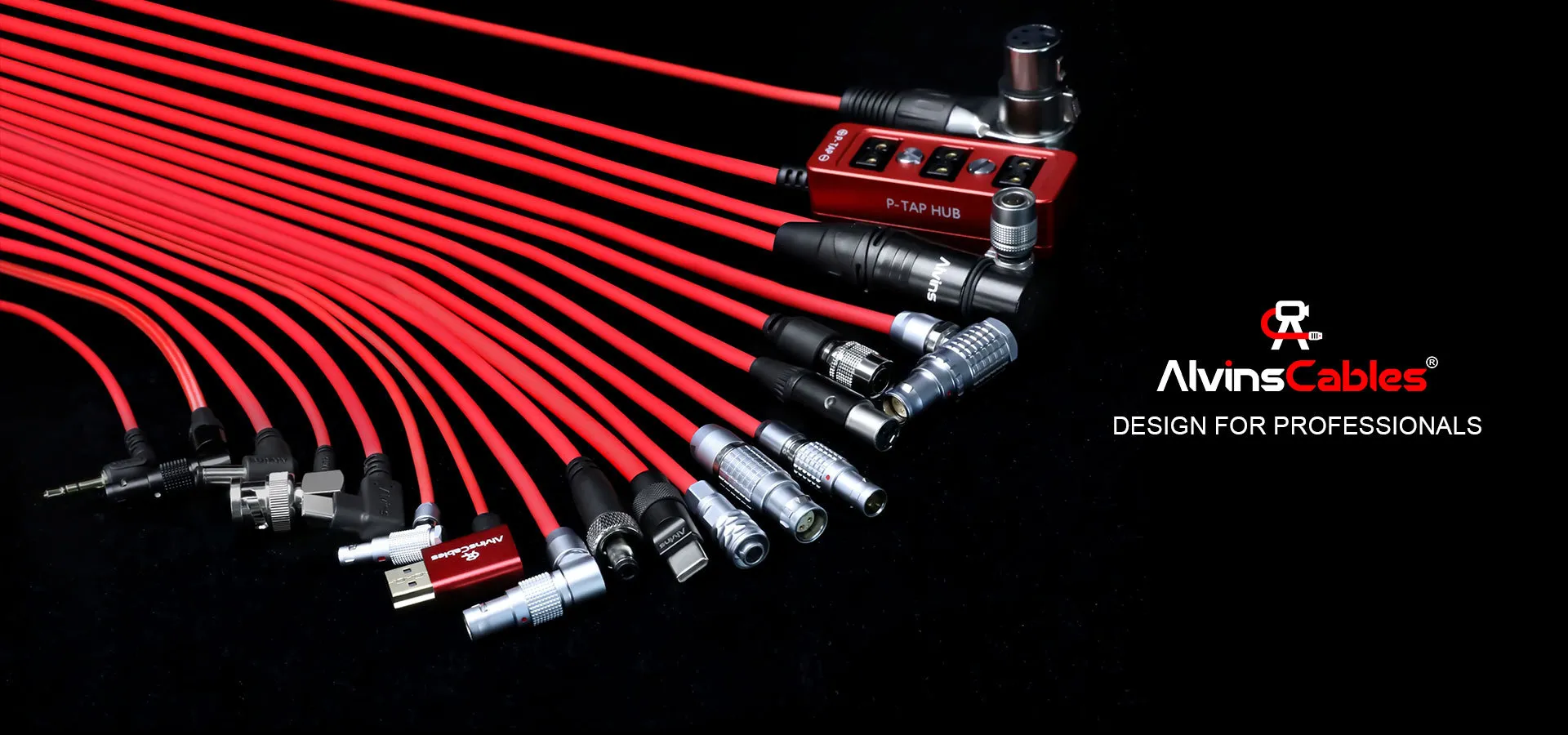
Always ensure the cable matches your camera and battery system. Common connector types include:
- D-Tap to LEMO
- D-Tap to DC barrel
- 2-pin to 4-pin LEMO
Using mismatched connectors can lead to loose connections or power interruptions.
2. Cable Flexibility
Modern film production involves dynamic camera movement—gimbals, drones, handheld rigs, and sliders.
Rigid cables:
- Restrict movement
- Increase strain on connectors
- Break more easily over time
Ultra-soft cables, like those produced by Alvin’s Cables, are engineered for high flexibility and tested for over 25,000 bending cycles. This makes them ideal for high-mobility setups.
3. Cable Length
Cable length affects both usability and signal integrity.
- Short cables → cleaner rigs, less clutter
- Long cables → more flexibility but higher resistance risk
Choosing the right length depends on your rig configuration and shooting style.
4. Durability and Build Quality
In professional environments, cables are constantly:
- Bent
- Twisted
- Pulled
High-quality cables feature:
- Reinforced connectors
- Strain relief design
- High-grade shielding
This ensures longevity and consistent performance.
Common Problems Caused by Poor-Quality Cables
Using low-quality cables can lead to several issues:
- Voltage drops causing camera shutdowns
- Loose connectors interrupting power
- Overheating due to poor materials
- Frequent replacements increasing costs
For B2B buyers, these issues translate directly into downtime and financial loss.
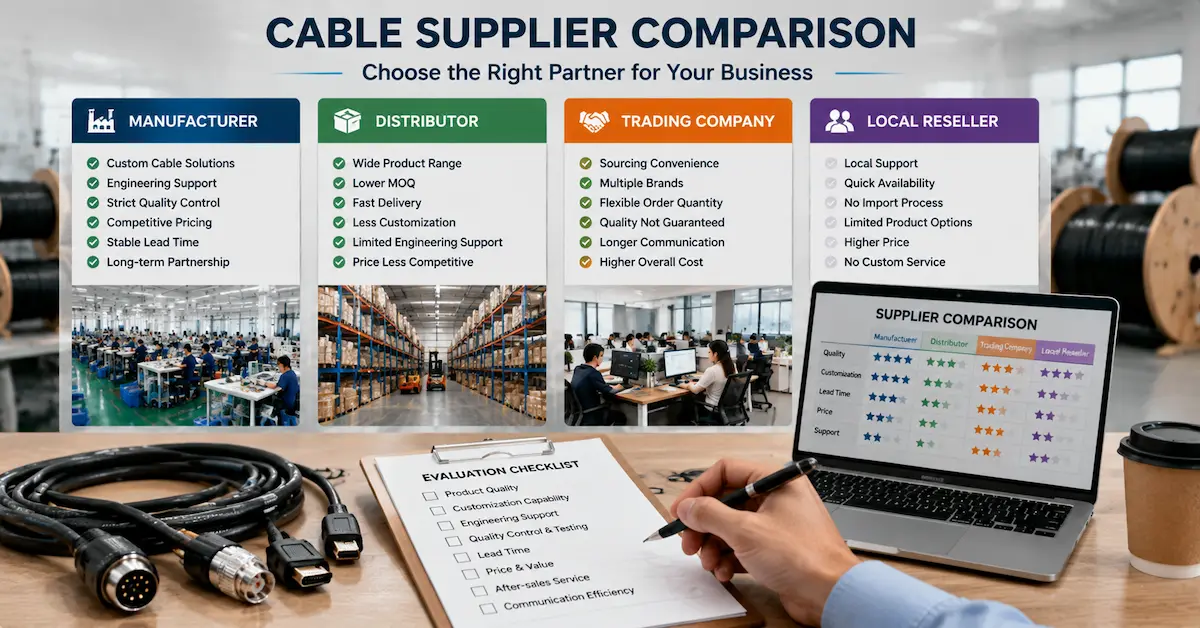
Why Professional Cable Manufacturers Matter
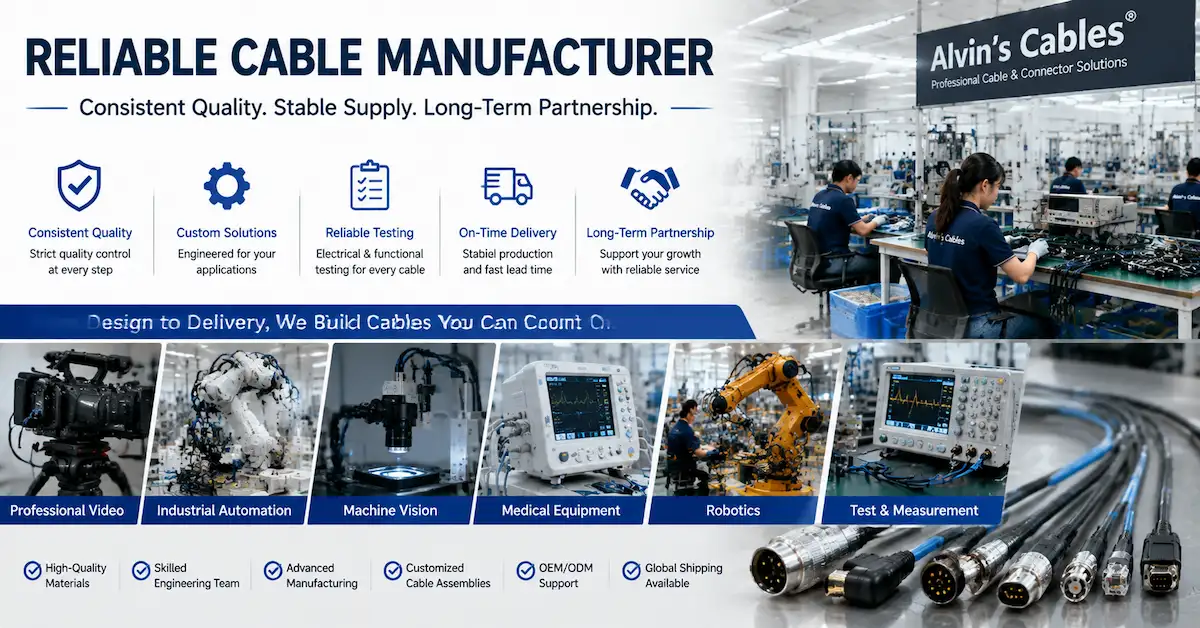
Choosing a specialized manufacturer like Alvin’s Cables provides several advantages:
- Strict quality control processes
- Compatibility with major camera brands
- Custom cable solutions for unique setups
- Proven durability in real-world production environments
Unlike generic cables, professional-grade products are designed specifically for cinema and broadcast applications.
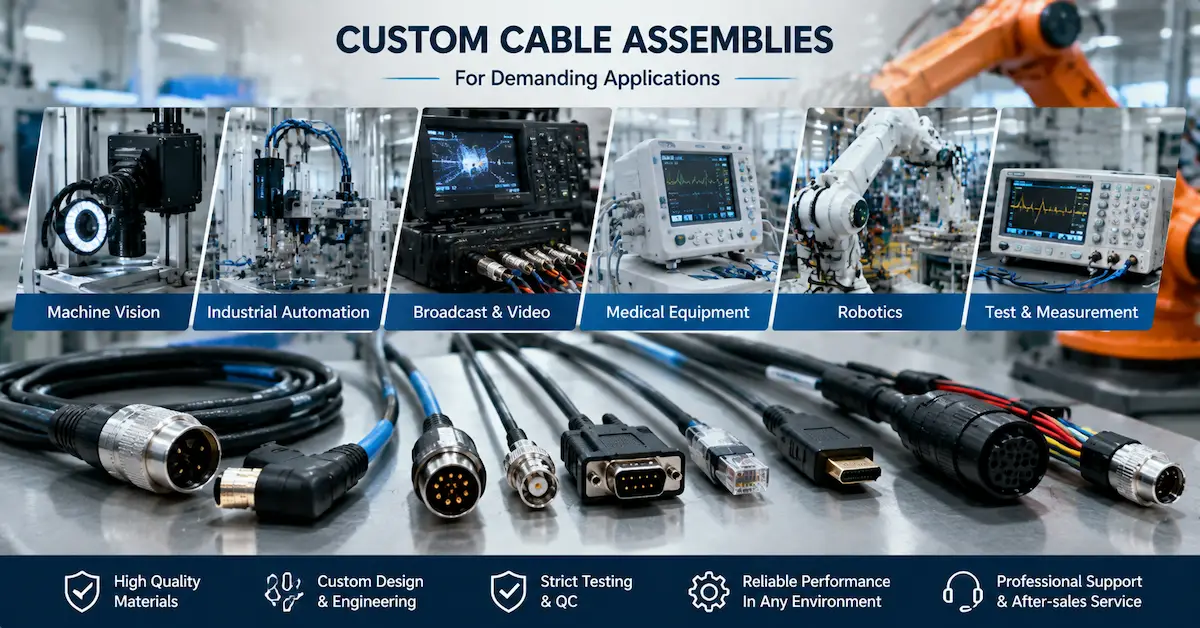
Custom Cable Solutions for Complex Setups
In many cases, off-the-shelf cables are not enough.
Custom solutions can address:
- Unique rig configurations
- Specific connector combinations
- Length and routing constraints
- Branding and packaging requirements
This is especially important for equipment manufacturers and rental companies looking to standardize their setups.
Best Practices for Using Camera Power Cables
To maximize performance and lifespan:
- Avoid excessive bending at connector points
- Store cables properly after use
- Regularly inspect for wear and damage
- Use cable management systems on set
These practices help reduce failure rates and extend cable life.
Conclusion
A camera power cable may seem like a small component, but it plays a vital role in the success of any production. By choosing the right cable—one that offers compatibility, flexibility, and durability—you can ensure reliable performance in even the most demanding environments.
For professionals and businesses alike, investing in high-quality cables is not an expense—it’s a safeguard for your entire production workflow.