A LEMO cable manufacturer is often needed when standard cables cannot meet the connector, pinout, length, shielding, or durability requirements of professional equipment. In industries such as professional video, broadcast camera systems, medical devices, test and measurement equipment, robotics, and industrial electronics, cable assemblies must be stable, compact, and reliable under repeated use.
For B2B buyers, the real purchasing goal is not only finding a cable with a similar connector appearance. The important question is whether the supplier can build a cable assembly that matches the exact connector series, wiring definition, signal type, power requirement, mechanical structure, and application environment.
In this article, “LEMO cable” refers to cable assemblies using original LEMO connectors or LEMO-compatible push-pull circular connectors, depending on buyer requirements. Buyers should clearly confirm whether their project requires original branded connectors, compatible alternatives, or a custom push-pull connector solution.
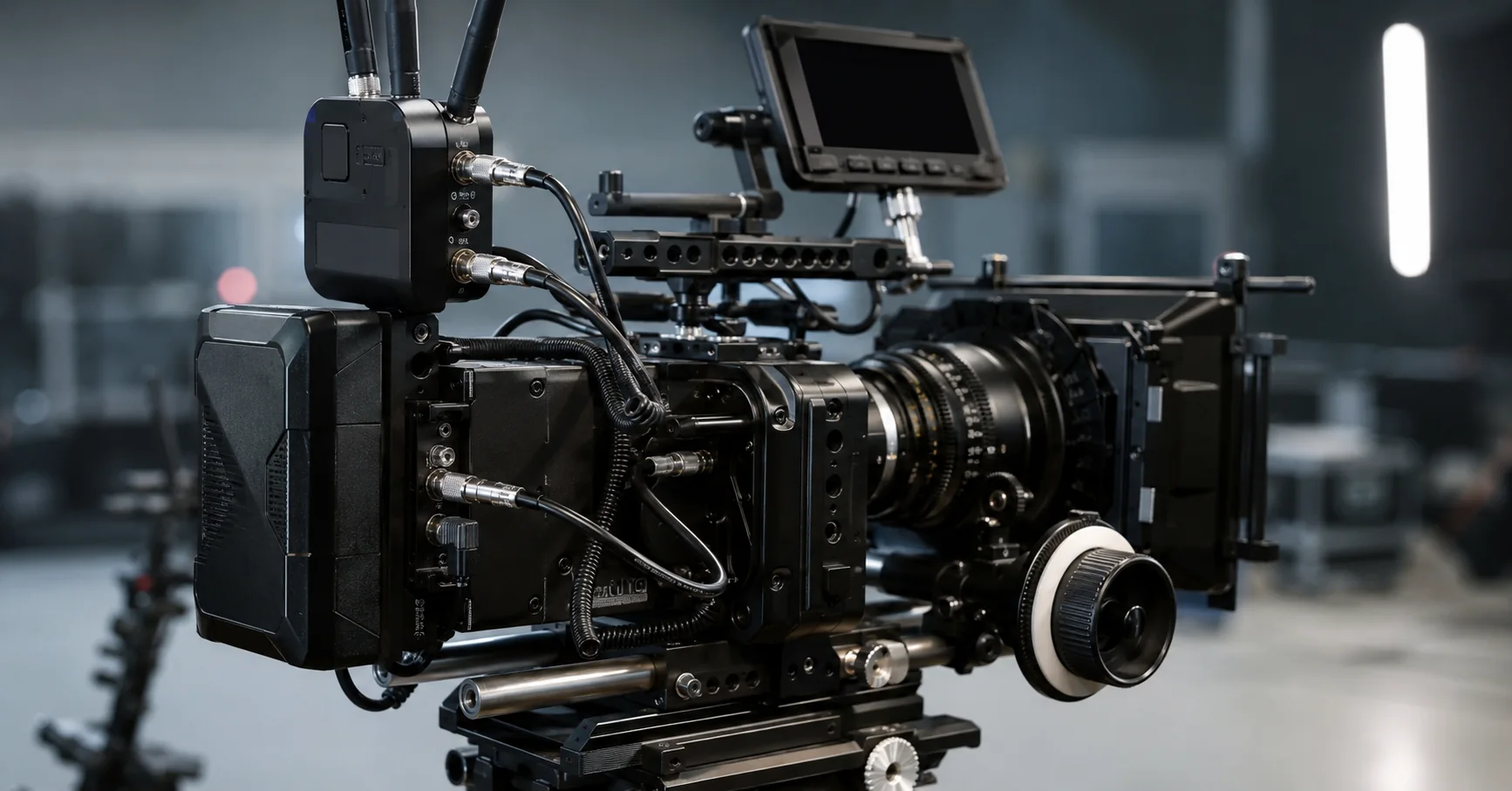
What Is a LEMO Cable Assembly?
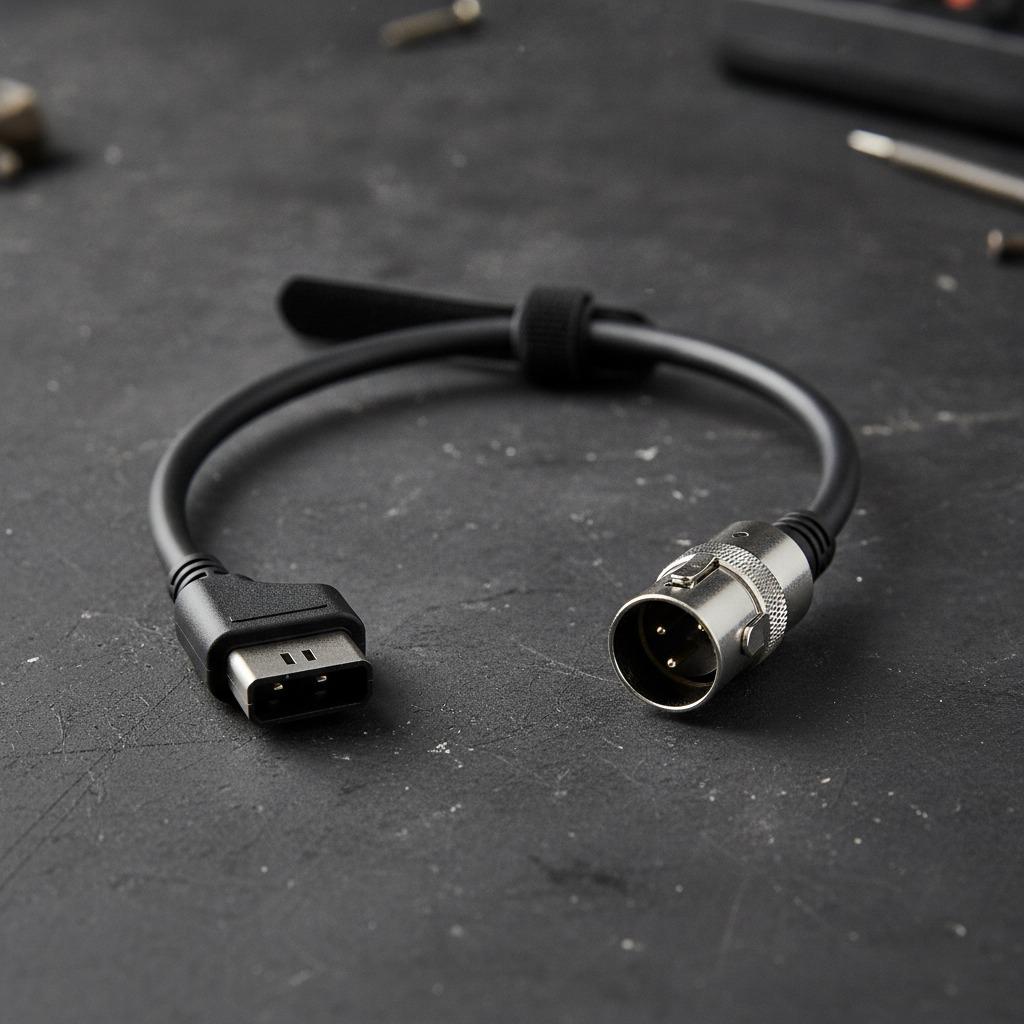
A LEMO cable assembly is a cable built with a push-pull circular connector style commonly used in professional and high-reliability equipment. These connectors are valued for their compact size, secure locking structure, fast mating, and clean mechanical design.
A LEMO-style cable assembly may be used for:
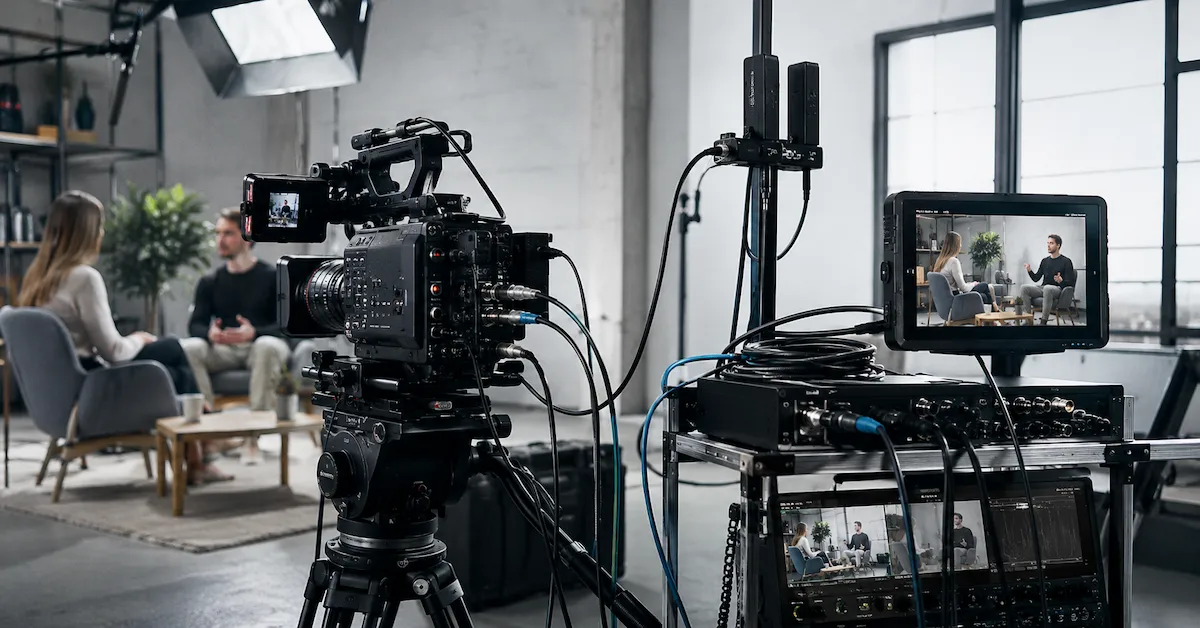
- Camera power and signal connection
- Broadcast and film production equipment
- Medical diagnostic devices
- Test and measurement instruments
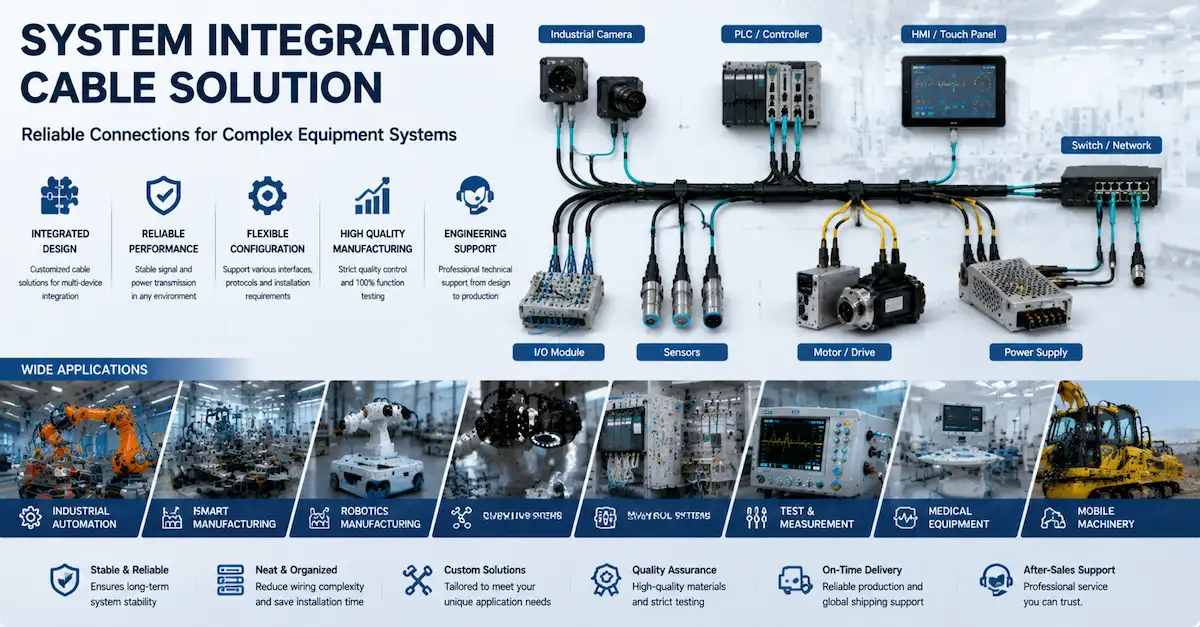
- Sensor and control systems
- Industrial electronics
- Robotics and automation equipment
- OEM device internal or external wiring
The cable may transmit power, signal, video, control data, or hybrid electrical functions depending on the connector pin configuration and cable structure.
Why Professional Buyers Need Custom LEMO Cable Assemblies
Many professional devices use compact push-pull connectors because the equipment has limited space and requires secure connection. However, standard cables may not always match the application.
Custom LEMO cable assemblies are useful when buyers need:
- Special cable length
- Custom pinout
- Right-angle connector design
- Shielded signal structure
- Overmolded strain relief
- Lightweight cable routing
- Specific connector series or size
- OEM packaging or labeling
- Stable batch production
For equipment brands and system integrators, a custom cable can improve assembly efficiency, reduce field failures, and support long-term product consistency.
Common Applications for LEMO-Style Cable Assemblies
| Application | Cable Requirement | Buyer Concern |
|---|---|---|
| Broadcast camera systems | Compact signal and power connection | Stable video, secure mating |
| Film production rigs | Flexible camera and monitor wiring | Field durability, cable routing |
| Medical equipment | Reliable signal and device connection | Safety, consistency, precision |
| Test equipment | Clean signal transmission | Contact stability, shielding |
| Robotics systems | Motion-resistant wiring | Flexibility, strain relief |
| Industrial electronics | Custom connector integration | Batch consistency, rugged use |
| Sensor systems | Small connector and stable wiring | Correct pinout, signal accuracy |
For these applications, choosing the right LEMO cable manufacturer can directly affect equipment performance and maintenance cost.
Key Factors When Choosing a LEMO Cable Manufacturer
1. Connector Compatibility
LEMO-style connectors include different sizes, series, keying structures, shell types, and pin configurations. A small mismatch can cause assembly failure.
Before production, buyers should confirm:
- Connector series
- Pin count
- Plug or receptacle type
- Male or female contact
- Straight or right-angle design
- Keying position
- Cable outlet direction
- Original connector or compatible connector requirement
If the buyer only provides a photo, the supplier may need additional measurements or a sample to avoid incorrect matching.
2. Pinout and Wiring Accuracy
Pinout accuracy is one of the most important parts of a custom LEMO cable assembly. Even if the connector fits mechanically, wrong wiring can damage equipment or cause unstable performance.
Buyers should provide:
- Wiring diagram
- Pin-to-pin definition
- Signal description
- Voltage and current data
- Grounding requirement
- Shield connection requirement
A reliable supplier should verify the pinout before sample production and test the finished cable before shipment.
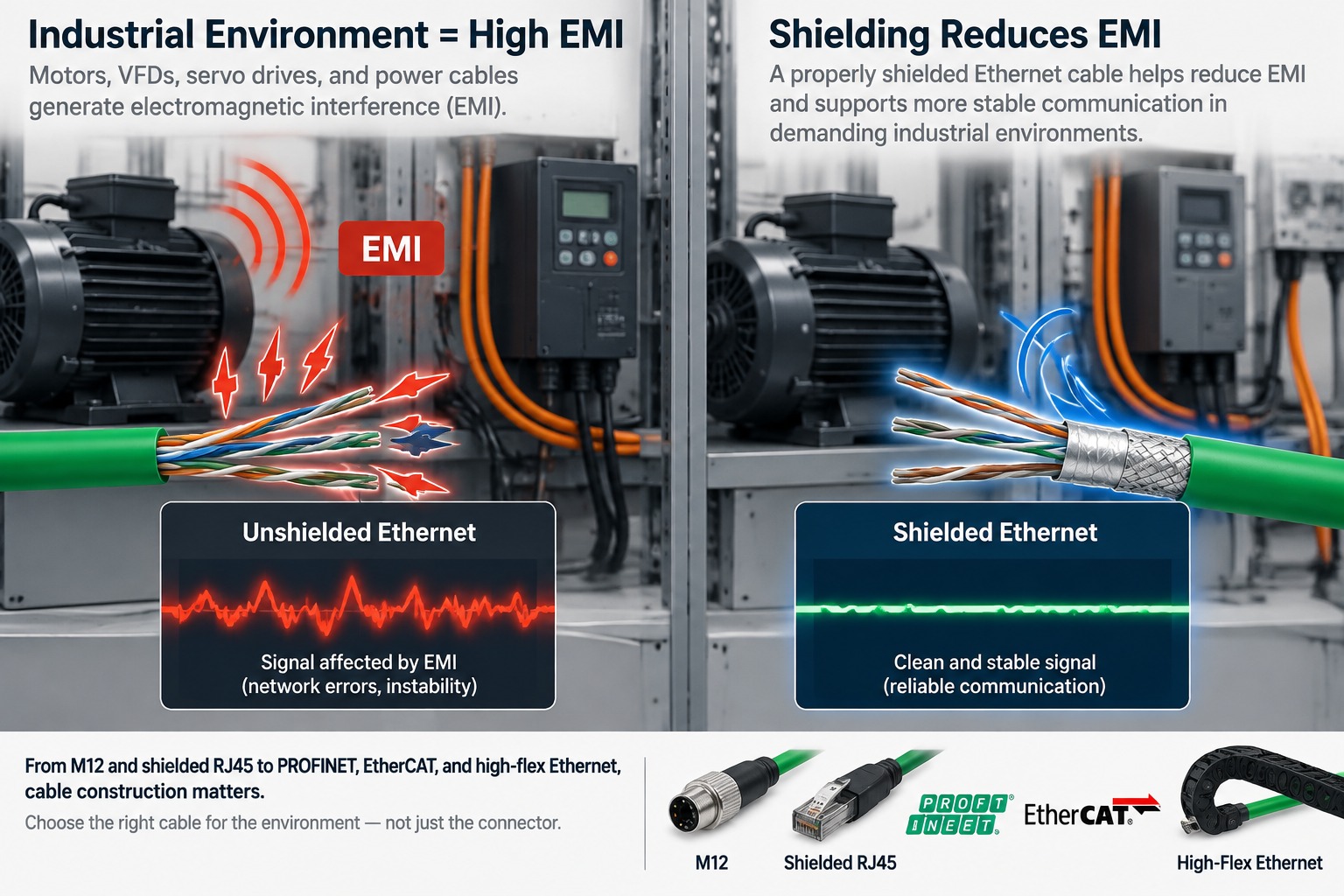
3. Shielding and Signal Stability
Many LEMO cable assemblies are used for signal, video, control, or measurement applications. In these cases, shielding can be critical.
Common shielding options include:
- Foil shielding
- Braided shielding
- Twisted pair structure
- Double shielding
- Shield-to-shell connection
- Grounding design
Shielding helps reduce EMI/RFI interference and supports stable transmission in professional environments with cameras, power systems, motors, control units, and electronic devices.
4. Strain Relief and Mechanical Strength
Professional cables often fail near the connector end because of repeated bending, pulling, or field use. This is why strain relief design matters.
A strong cable assembly may include:
- Molded strain relief
- Heat shrink protection
- Flexible cable jacket
- Reinforced connector transition
- Cable clamp structure
- Right-angle connector design for tight spaces
For camera rigs, test instruments, and portable medical devices, mechanical strength can be as important as electrical performance.
5. Sample Testing Before Bulk Production
A custom cable should be tested in the real equipment setup before bulk order. Visual inspection alone is not enough.
Sample validation should include:
- Connector fit
- Pinout accuracy
- Signal performance
- Power stability
- Cable flexibility
- Pull resistance
- Routing convenience
- Long working time performance
This step helps reduce the risk of bulk production errors and project delays.
LEMO Cable Assembly Specification Table
| Item | Recommended Consideration |
| Product Type | LEMO or LEMO-compatible cable assembly |
| Connector Style | Push-pull circular connector |
| Applications | Camera, broadcast, medical, test equipment, robotics, industrial electronics |
| Cable Function | Signal, power, video, data, control, hybrid wiring |
| Connector Options | Straight, right-angle, plug, receptacle, panel mount, open-end |
| Custom Options | Length, pinout, connector orientation, shielding, labeling, packaging |
| Cable Jacket | Flexible PVC, PUR, or application-specific material |
| Shielding | Optional foil, braid, or double shielding |
| Strain Relief | Heat shrink, molded strain relief, reinforced transition |
| Testing | Continuity, short-circuit, pinout, fit, and functional testing |
Standard LEMO Cable vs Custom LEMO Cable Assembly
| Option | Advantages | Limitations | Best For |
| Standard LEMO cable | Fast purchase, simple replacement | Limited pinout and length options | General replacement |
| Compatible push-pull cable | Cost-flexible and customizable | Must confirm compatibility carefully | OEM and project-based use |
| Custom LEMO cable assembly | Best fit for device design | Requires drawings or samples | Professional equipment and batch production |
| Overmolded cable assembly | Stronger durability and cleaner appearance | Higher setup requirement | Long-term OEM supply |
For serious B2B projects, custom cable assembly is usually the better choice when equipment layout, pinout, and long-term reliability are important.
What Information Should Buyers Provide?
To get an accurate quotation from a LEMO cable manufacturer, prepare the following details:
- Connector series or model
- Plug/receptacle requirement
- Pin count
- Male/female contact requirement
- Cable length
- Pinout or wiring diagram
- Voltage and current requirement
- Signal type
- Shielding requirement
- Straight or right-angle connector
- Quantity
- Drawing, photo, or sample if available
If the connector model is unknown, buyers can send clear photos, measurements, and equipment information for evaluation.
Why Choose Alvin’s Cables for LEMO-Style Cable Assemblies?
Alvin’s Cables supports custom cable assemblies and connector solutions for professional video, camera systems, industrial equipment, medical devices, test equipment, and OEM electronics. For LEMO-style cable projects, the company can help buyers develop practical cable assemblies based on drawings, samples, specifications, or application requirements.
Key advantages include:
- Custom cable assembly support
- Multiple connector solution options
- Support for professional video and camera equipment
- Experience with industrial and high-reliability cable applications
- Custom length and pinout support
- Shielded cable structure options
- Strain relief and overmolding support
- Prototype and batch production support
- Multi-stage inspection and functional testing
Buyers can explore related cable and connector categories through Alvin’s Cables products, learn more about company capability from About Alvin’s Cables, or review solution advantages through Why Choose Alvin’s Cables.
FAQ: LEMO Cable Manufacturer
1. What is a LEMO cable?
A LEMO cable is a cable assembly using a LEMO or LEMO-compatible push-pull circular connector. It is commonly used in professional equipment requiring compact, secure, and reliable connections.
2. Can LEMO cables be customized?
Yes. LEMO-style cable assemblies can be customized by connector type, cable length, pinout, shielding, jacket material, connector angle, strain relief, labeling, and packaging.
3. What industries use LEMO cable assemblies?
They are commonly used in professional video, broadcast equipment, medical devices, test instruments, robotics, sensors, and industrial electronics.
4. What is the difference between original LEMO and LEMO-compatible cables?
Original LEMO cables use branded LEMO connectors, while LEMO-compatible cables use compatible push-pull connectors designed to match similar interface requirements. Buyers should confirm which option their project needs.
5. Why is pinout important?
Pinout defines how each conductor connects between two connectors or device terminals. Incorrect pinout may cause signal failure, unstable performance, or equipment damage.
6. Do LEMO-style cables need shielding?
Many signal, video, control, and test equipment cables need shielding to reduce interference and maintain stable transmission.
7. Can Alvin’s Cables make small-batch samples?
Yes. Alvin’s Cables can support prototype and project-based custom cable assembly development before bulk production.
8. What should I send for a quote?
You should send connector model, pin count, cable length, pinout, quantity, application details, and any drawing, photo, or sample available.
Conclusion
Choosing a reliable LEMO cable manufacturer is important for professional video systems, medical devices, test equipment, robotics, industrial electronics, and OEM products. Buyers should evaluate connector compatibility, pinout accuracy, shielding, strain relief, sample testing, and supplier customization capability before placing bulk orders.
A well-designed LEMO-style cable assembly can improve signal stability, reduce field failures, and support long-term product reliability.
If you need a custom LEMO cable assembly or LEMO-compatible push-pull cable solution, contact Alvin’s Cables through the Contact Us page and share your connector model, pinout, cable length, application environment, and order quantity.