Why Ultra-Soft Cables Matter in Film Production

blog avatar
Published
Mar 24 2026
  • Industry Insights

Follow us

ultra-soft-cable-benefits

In the fast-paced world of film production, every piece of equipment must support speed, flexibility, and reliability. While cameras and stabilizers often receive the spotlight, cables play a crucial supporting role that directly impacts workflow efficiency.

Among all cable types, ultra-soft cables have become increasingly popular—and for good reason.

The Problem with Traditional Cables

Traditional cables are often stiff and difficult to manage. On a professional film set, this creates several challenges:

  • Restricted camera movement
  • Increased stress on connectors
  • Higher risk of cable damage
  • Time lost managing tangled wires

These issues become even more pronounced in dynamic shooting environments such as handheld filming, gimbal operation, or drone work.

What Are Ultra-Soft Cables?

Ultra-soft cables are designed using advanced materials that provide exceptional flexibility without compromising durability.

Key characteristics include:

  • High elasticity
  • Anti-tangle design
  • Resistance to repeated bending
  • Lightweight construction

These features make them ideal for modern production workflows.

Benefits of Ultra-Soft Cables

1. Enhanced Mobility

Flexible cables allow camera operators to move freely without restriction. This is essential for:

  • Gimbal setups
  • Steadicam operation
  • Handheld shooting

2. Reduced Wear and Tear

Stiff cables tend to break at stress points. Ultra-soft cables distribute stress more evenly, increasing lifespan.

3. Improved Workflow Efficiency

Less time spent untangling cables means more time focusing on creative work.

4. Better Cable Management

Flexible cables are easier to route and organize, reducing clutter on set.

Real-World Applications

Ultra-soft cables are widely used in:

  • Film and TV production
  • Live broadcasting
  • Commercial video shoots
  • Drone cinematography

Their adaptability makes them a preferred choice for professionals.

Engineering Behind Flexibility

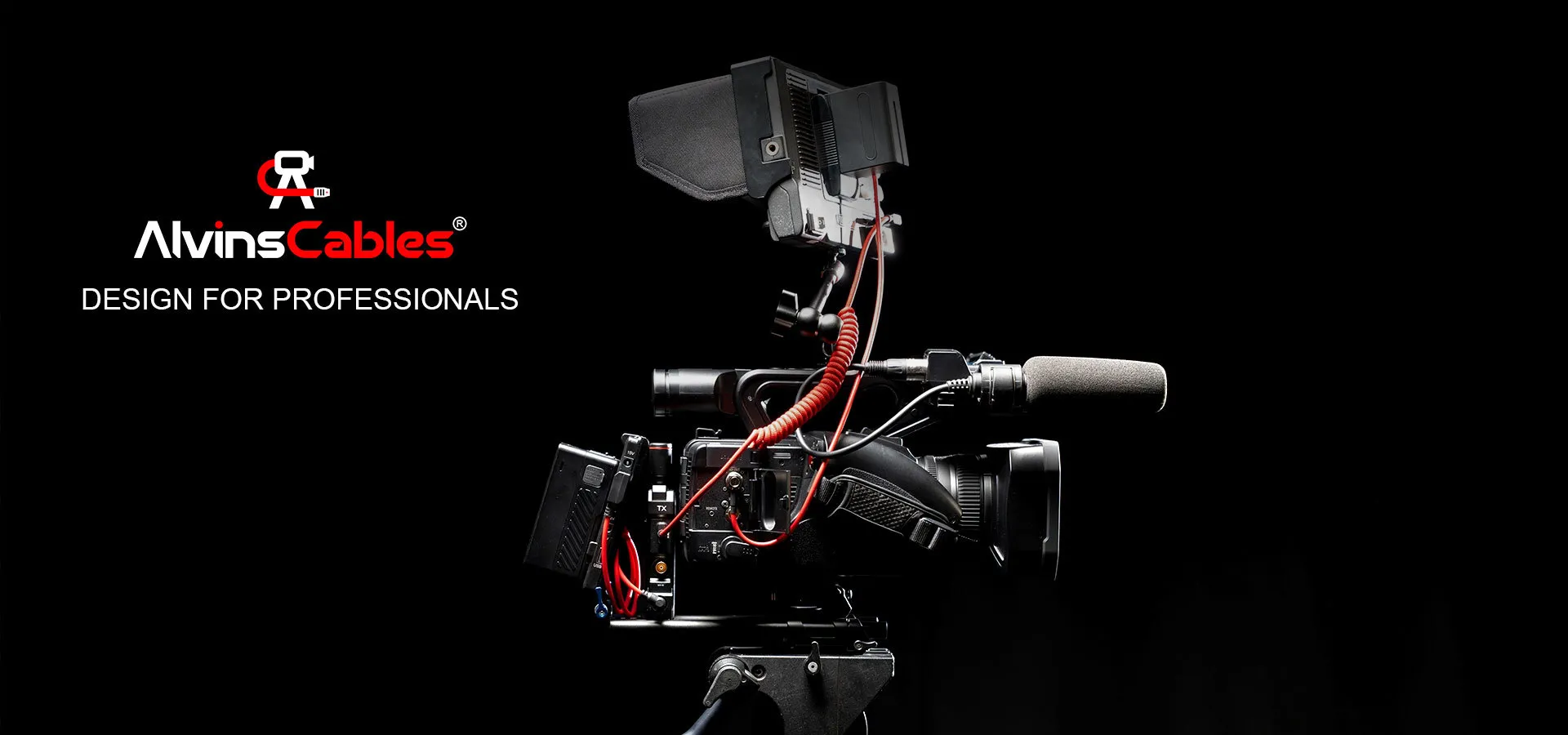
Manufacturers like Alvin’s Cables achieve ultra-soft performance through:

  • Specialized insulation materials
  • Multi-strand conductor design
  • Advanced shielding techniques

These innovations ensure both flexibility and signal stability.

Conclusion

As film production continues to evolve, the demand for flexible, reliable equipment grows. Ultra-soft cables are no longer a luxury—they are a necessity for modern workflows.
Featured Blogs
When Standard Cables Don't Fit Your Equipment

When Standard Cables Don't Fit Your Equipment

Standard cables work well for many applications, but what happens when your equipment requires a specific connector combination, a non-standard length, or a special cable configuration? For industrial equipment manufacturers, finding the right cable is about more than matching connectors. It also means meeting electrical requirements, installation constraints, and the demands of the operating environment.

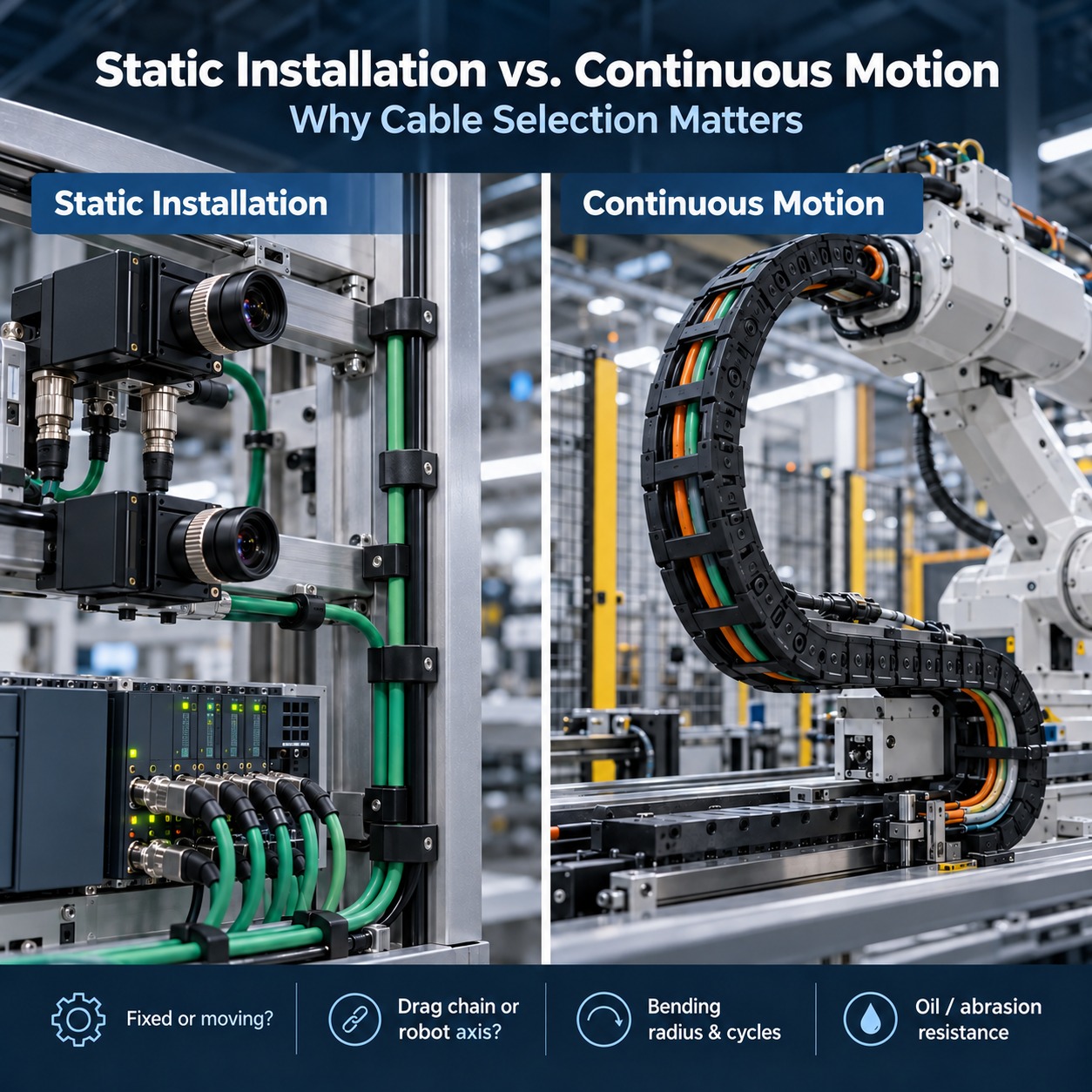
Static Installation vs. Continuous Motion: Why Cable Selection Matters

Static Installation vs. Continuous Motion: Why Cable Selection Matters

In industrial automation, cables do more than connect equipment. They must also withstand the mechanical conditions in which they operate. A cable installed inside a control cabinet faces different demands from one that moves repeatedly with a robotic arm, CNC machine, or automated inspection system. Choosing the wrong cable construction for an application can contribute to premature wear, conductor fatigue, intermittent connections, and unplanned maintenance. So, what is the difference between static installation cables and cables designed for continuous motion? And what should engineers consider when selecting an industrial cable?

Why Industrial Ethernet Needs Shielding

Why Industrial Ethernet Needs Shielding

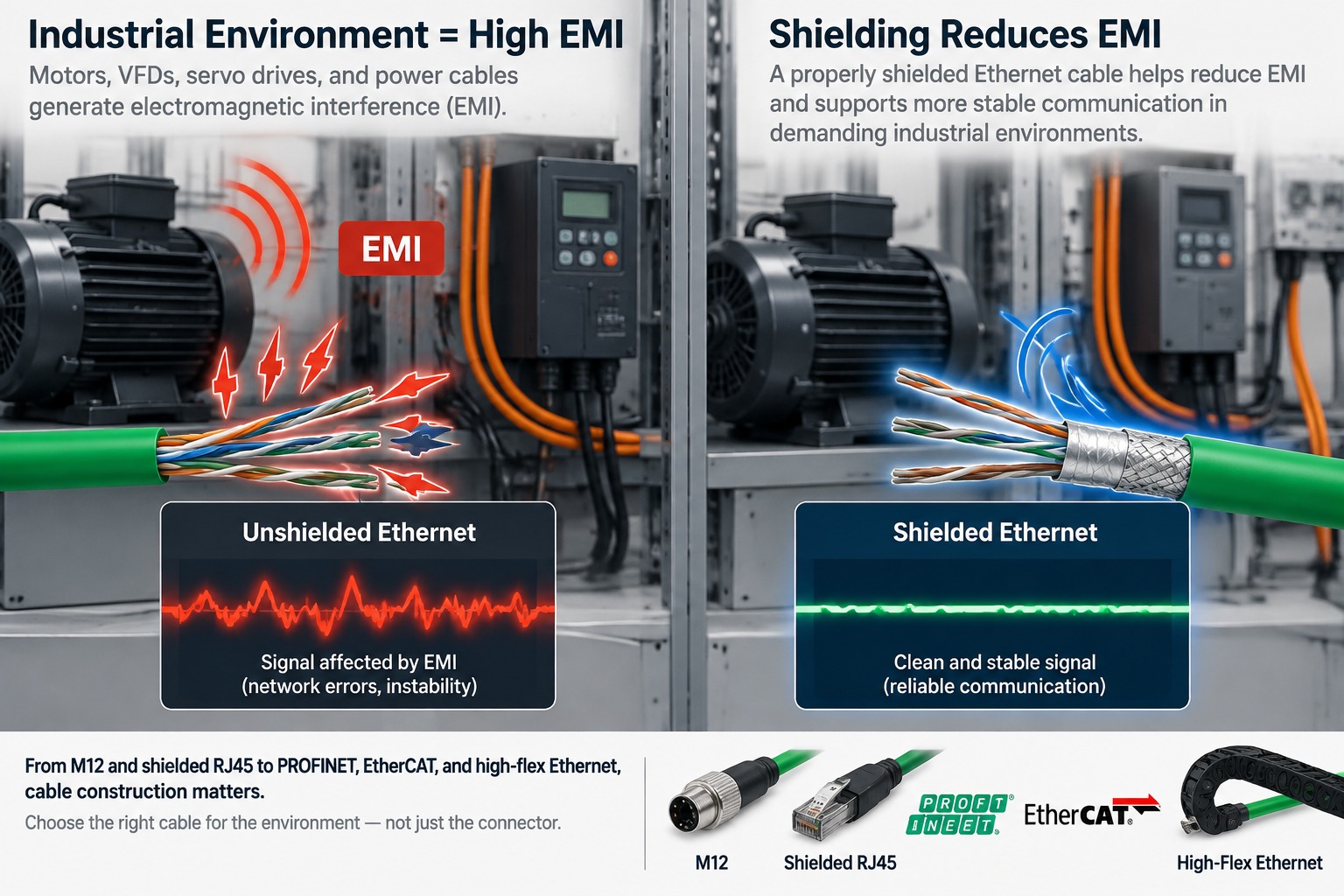
Industrial environments are full of potential sources of electromagnetic interference (EMI), including motors, VFDs, servo drives, and power cables .Without proper protection, interference can affect signal integrity and network reliability. A properly shielded Ethernet cable helps reduce EMI and supports more stable communication in demanding industrial environments. From M12 and shielded RJ45 to PROFINET, EtherCAT, and high-flex Ethernet, cable construction matters. Choose the right cable for the environment—not just the connector.

M12 A-Code 12-Pin Power & I/O Cable for Keyence Industrial Cameras

M12 A-Code 12-Pin Power & I/O Cable for Keyence Industrial Cameras

Alvin's Cables M12 A-Code 12-Pin Female to Open Wire Power & I/O Cable is designed for Keyence industrial vision cameras, including OP-88810, OP-88811 and OP-88812. It combines power and I/O connections in one cable, with ring terminals for power and spade terminals for signal wiring. The high-flex construction is suitable for industrial automation and drag-chain applications. Available in 2m, 5m and 10m lengths, with custom lengths and terminal configurations available.

How to Choose an Industrial Ethernet Cable

How to Choose an Industrial Ethernet Cable

Choosing the right industrial Ethernet cable requires more than matching connectors. From M12 and RJ45 configurations to Cat6a, shielding, high-flex construction, cable length and environmental protection, every detail can affect network reliability and cable performance. Learn what to consider when selecting industrial Ethernet cables for automation, machine vision, robotics and industrial networking applications.

Designing a Custom Industrial USB 3.0 Cable for Orange Pi 5 Plus: From Requirement to Cable Assembly

Designing a Custom Industrial USB 3.0 Cable for Orange Pi 5 Plus: From Requirement to Cable Assembly

Discover how Alvin’s Cables developed a custom Bulgin USB 3.0 Type-A to USB-C cable for an Orange Pi 5 Plus embedded computing application, combining reliable 5V power delivery, USB 3.0 data transmission, industrial-grade connectivity, and a 1200 mm custom length for fixed installation.