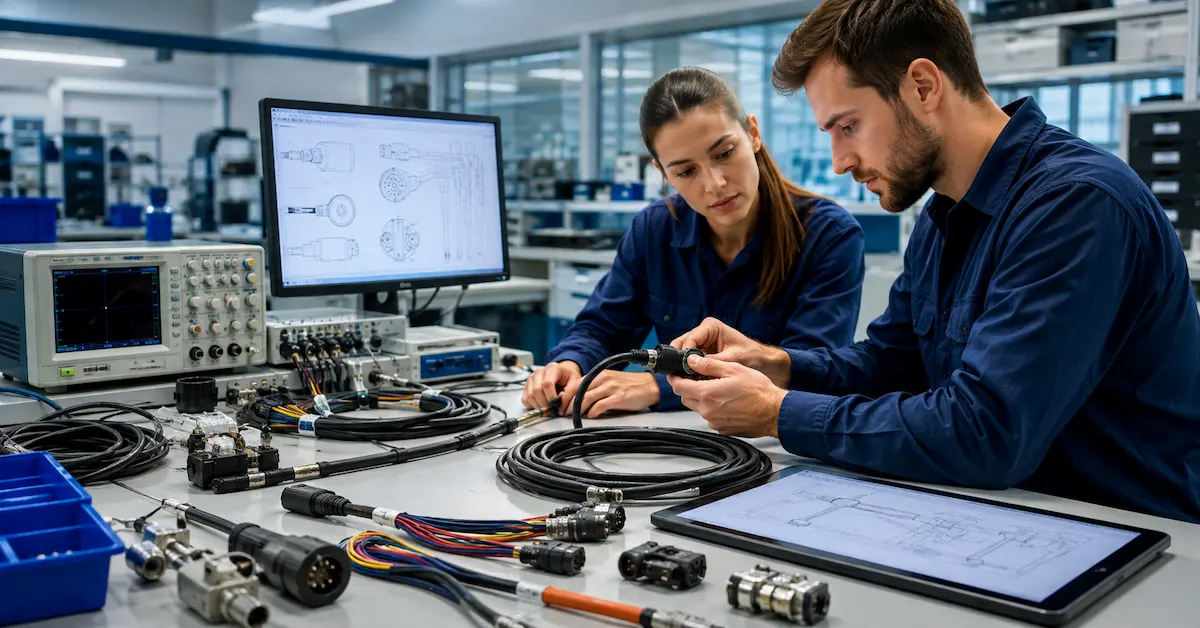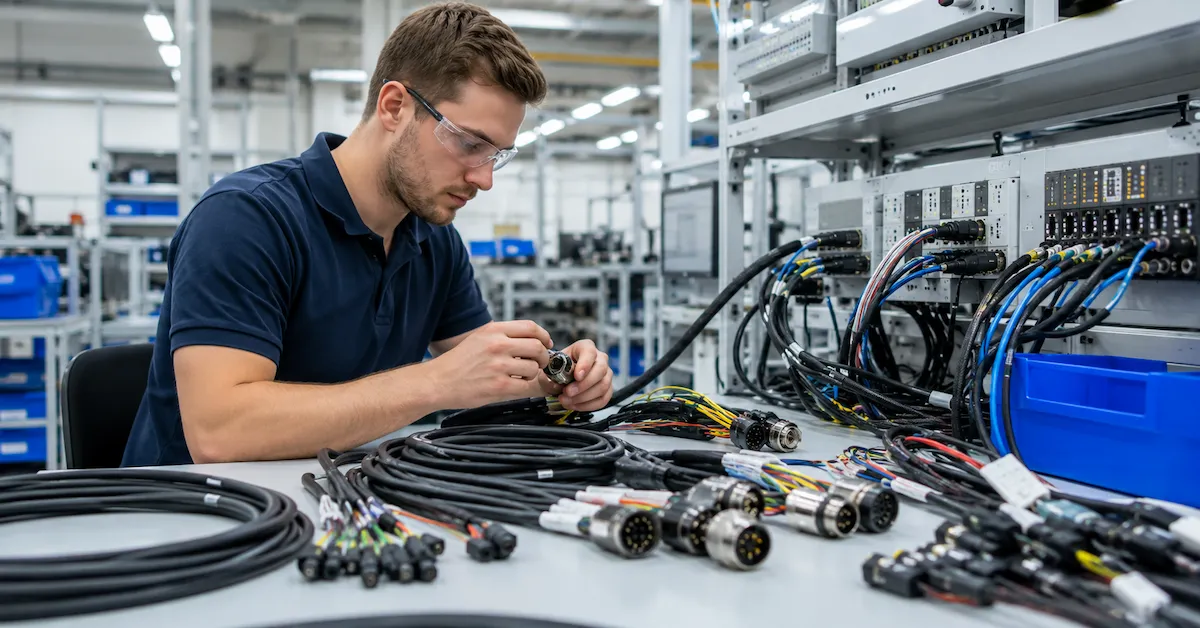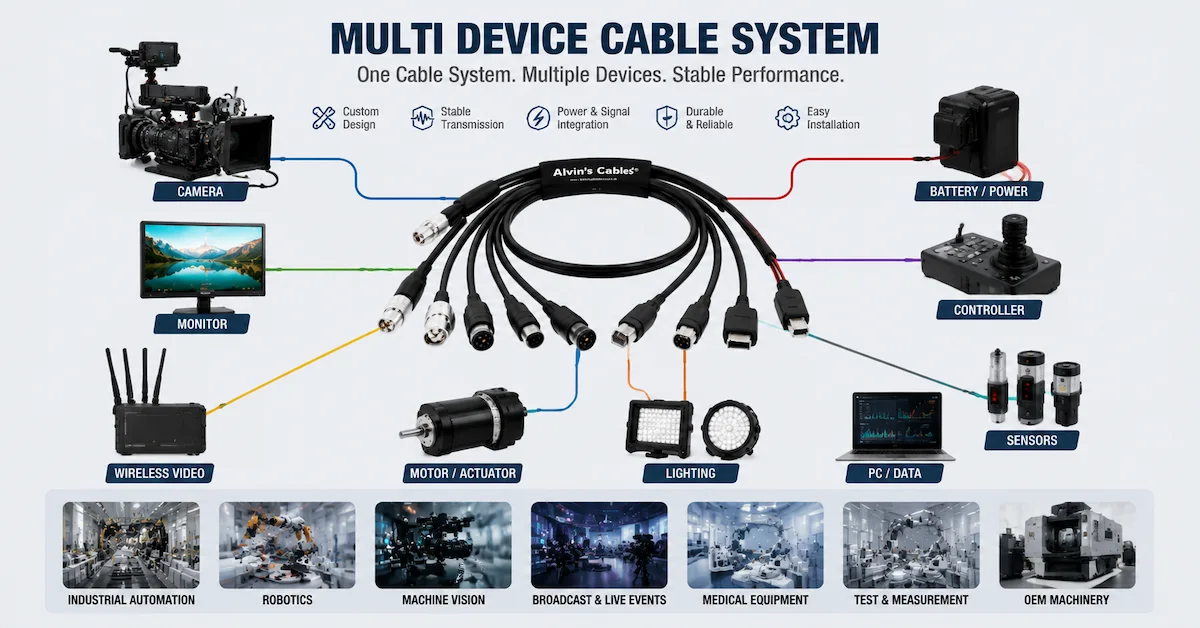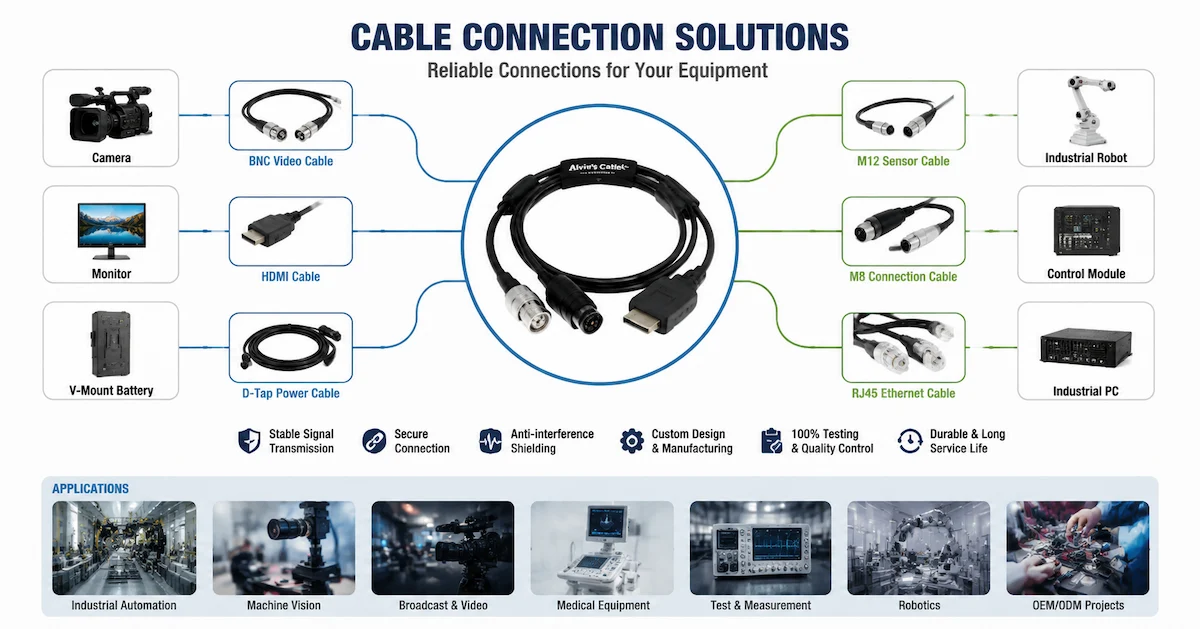
In complex industrial machinery and automotive systems, managing numerous individual wires can quickly become a logistical nightmare. Misrouted cables, inconsistent labeling, and exposure to mechanical stress can lead to frequent maintenance, production downtime, and safety hazards. For engineers and system integrators, these wiring challenges result in delays, increased costs, and higher risk of errors during installation and operation.
To better understand how professional cable solutions are developed, you can explore our company background and engineering capability on the About Us page
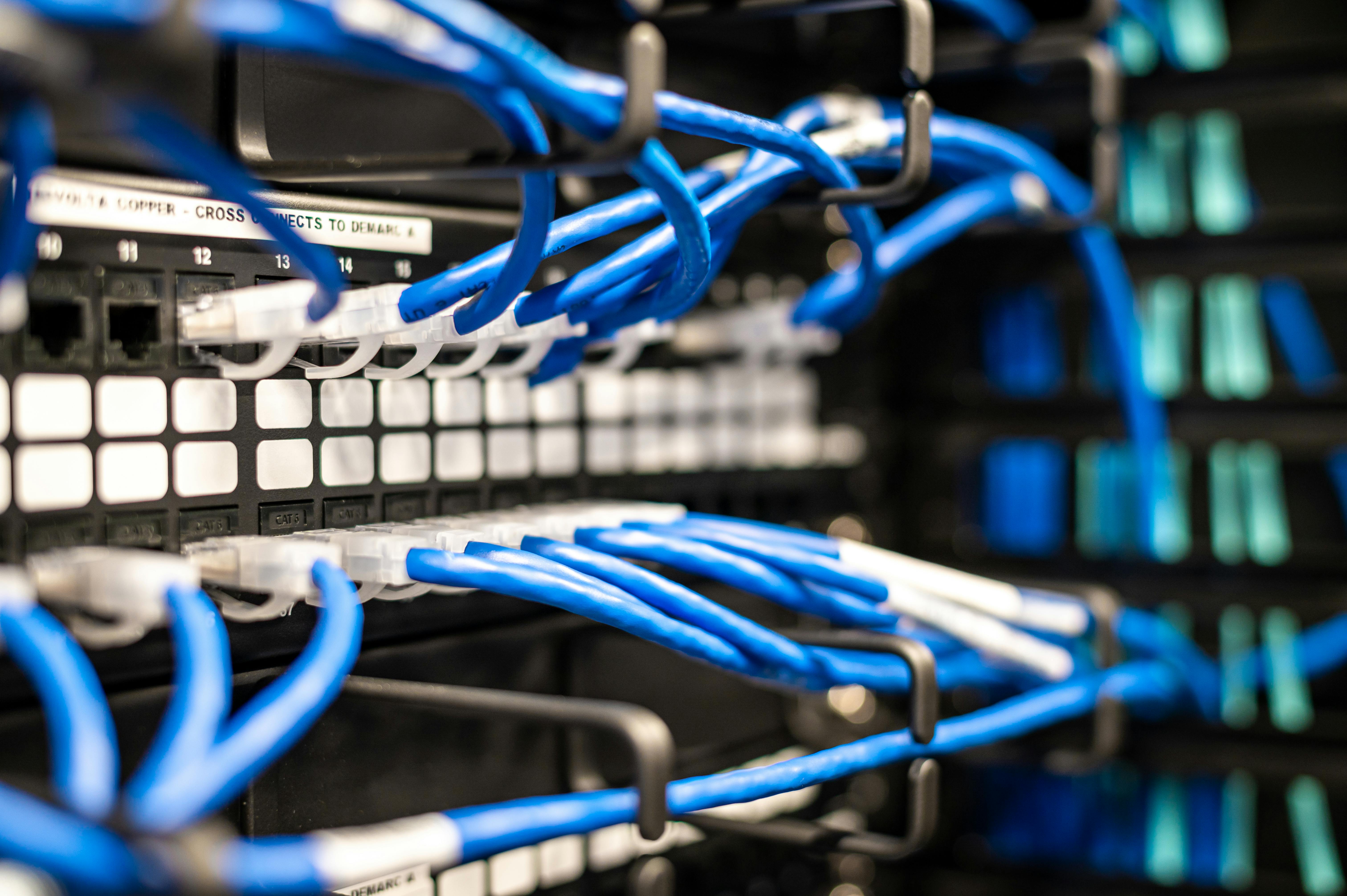
How Automation Cable Harnesses Work
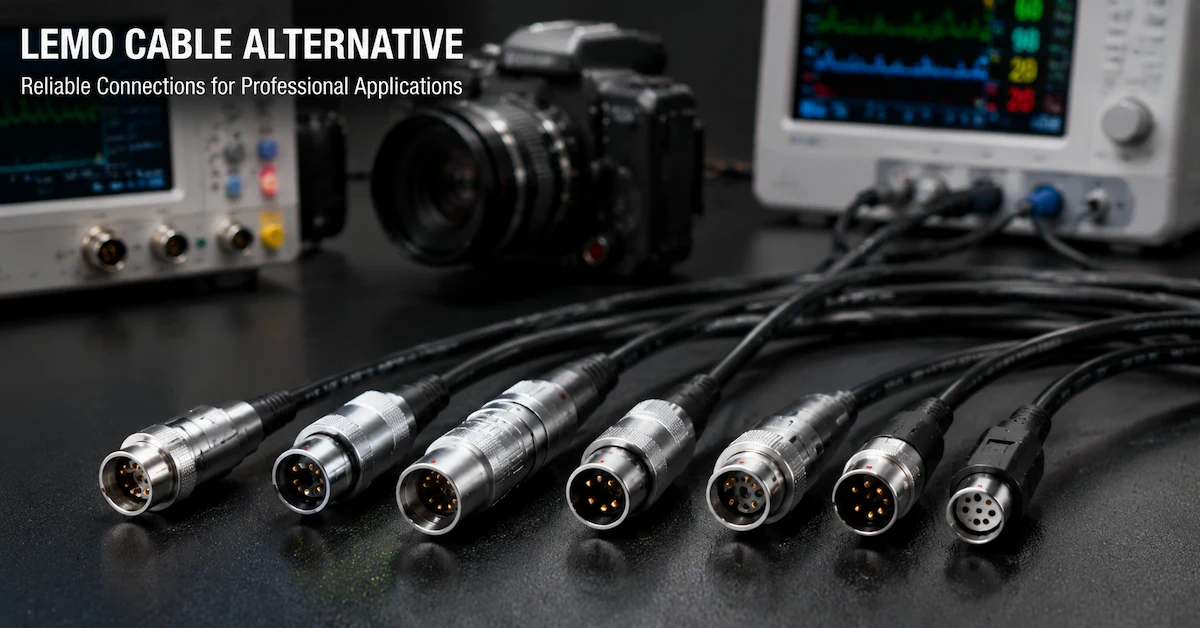
An automation cable harness integrates multiple electrical cables into a single, organized assembly, simplifying connections between components. Using standardized connectors, protective sleeves, and optimized routing, these harnesses ensure that each wire maintains its correct path and function. Advanced harnesses also incorporate shielding for EMI/RFI protection and support high-temperature or high-vibration environments.
If you want to see how these solutions are structured across different applications, visit our Product Overview
Comparing Traditional Wiring vs. Cable Harness Solutions
Traditional wiring methods involve manual routing of individual wires, which is labor-intensive, error-prone, and hard to maintain. In contrast, automation cable harnesses offer reduced installation time, better consistency, and significantly improved system reliability.
Our engineering team designs solutions tailored to industrial and automation systems, which you can explore in our Our Products section
Implementing the Right Solution
Choosing the appropriate cable harness requires assessing wire count, environment conditions, and connector types. Custom solutions are often required to ensure precise compatibility and long-term performance.
If you need technical consultation or a customized wiring solution, feel free to reach out directly via our Contact Us page
Key Advantages of Automation Cable Harnesses
Automation cable harnesses provide multiple operational benefits:
- Reduced installation time and labor cost
- Improved durability in harsh environments
- Simplified maintenance and troubleshooting
- Compliance with industrial safety standards
These advantages make them widely used across industrial automation, automotive systems, and electronic control environments.
Application Scenarios
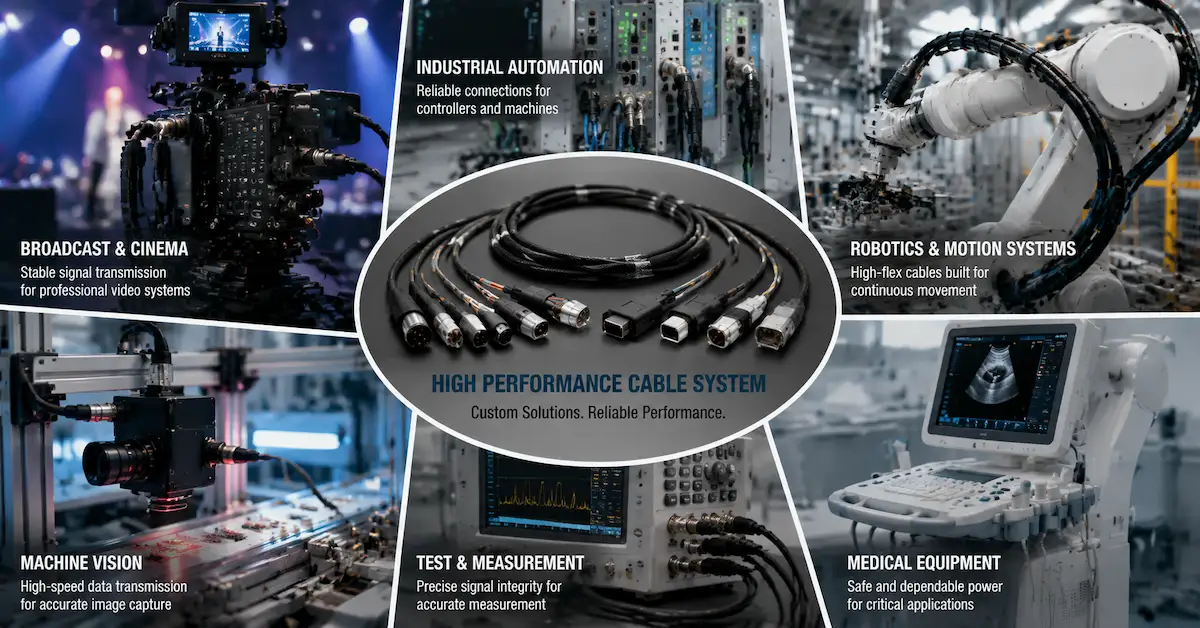
Automation cable harnesses are widely used in:
- Industrial automation equipment and robotics
- Automotive wiring systems and EV platforms
- Energy systems including solar and wind power
- Transportation and control electronics
Each solution is engineered to ensure stable performance in demanding environments.
Selection Tips for Optimal Performance
When selecting a cable harness, consider environmental conditions, connector compatibility, and future scalability. Working with an experienced manufacturer ensures better reliability and long-term system stability.
FAQ
Q1: What is an automation cable harness?
A structured cable assembly that combines multiple wires into a single organized system for efficient electrical connection.
Q2: Where are cable harnesses commonly used?
They are widely used in industrial automation, automotive manufacturing, and energy systems.
Q3: Can custom designs be provided?
Yes, custom cable harnesses can be designed based on application, environment, and technical requirements.
Q4: What are the main advantages?
They improve reliability, reduce installation time, and simplify maintenance.
Q5: How do I get a solution for my project?
You can contact our engineering team via the Contact Us page for technical support.
Conclusion
Automation cable harnesses transform complex wiring systems into efficient, reliable, and scalable solutions for industrial and automotive applications. By selecting the right design and supplier, companies can significantly improve operational efficiency and reduce long-term maintenance costs.
To explore more solutions or discuss your project requirements, visit our Alvins Cables Contact Page