A DC power cable assembly is used to deliver direct current power between power sources and electronic equipment. It can connect batteries, adapters, power distribution boxes, cameras, monitors, industrial modules, medical devices, test instruments, robotics systems, and OEM electronic products.
For B2B buyers, choosing a DC power cable assembly is not only about matching two connectors. The cable must support the required voltage, current, polarity, cable length, conductor size, connector type, bending condition, strain relief, and operating environment.
In professional equipment, a poor power cable may cause voltage drop, overheating, unstable device operation, connector looseness, or field failure. A well-designed custom DC power cable helps improve equipment reliability and reduces long-term maintenance risk.
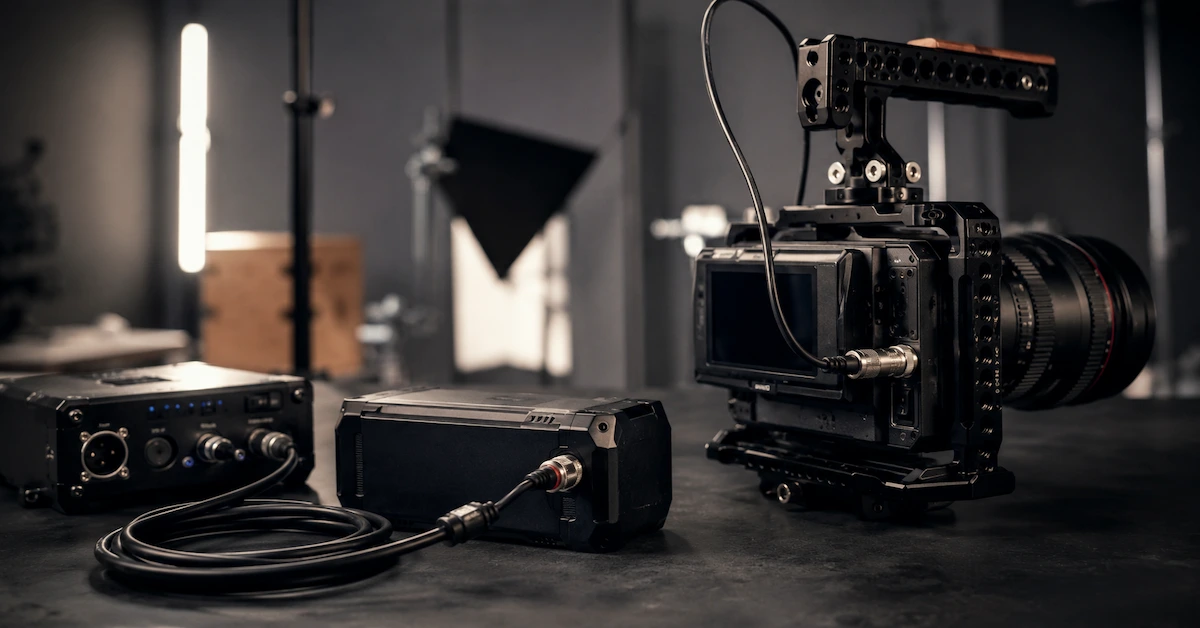
What Is a DC Power Cable Assembly?
A DC power cable assembly is a cable designed to transmit direct current from one device or power source to another. It usually includes one or more connectors, insulated conductors, a cable jacket, strain relief, and sometimes custom labeling or overmolding.
Common formats include:
- Battery to device power cable
- Adapter to equipment power cable
- D-TAP power cable
- DC barrel connector cable
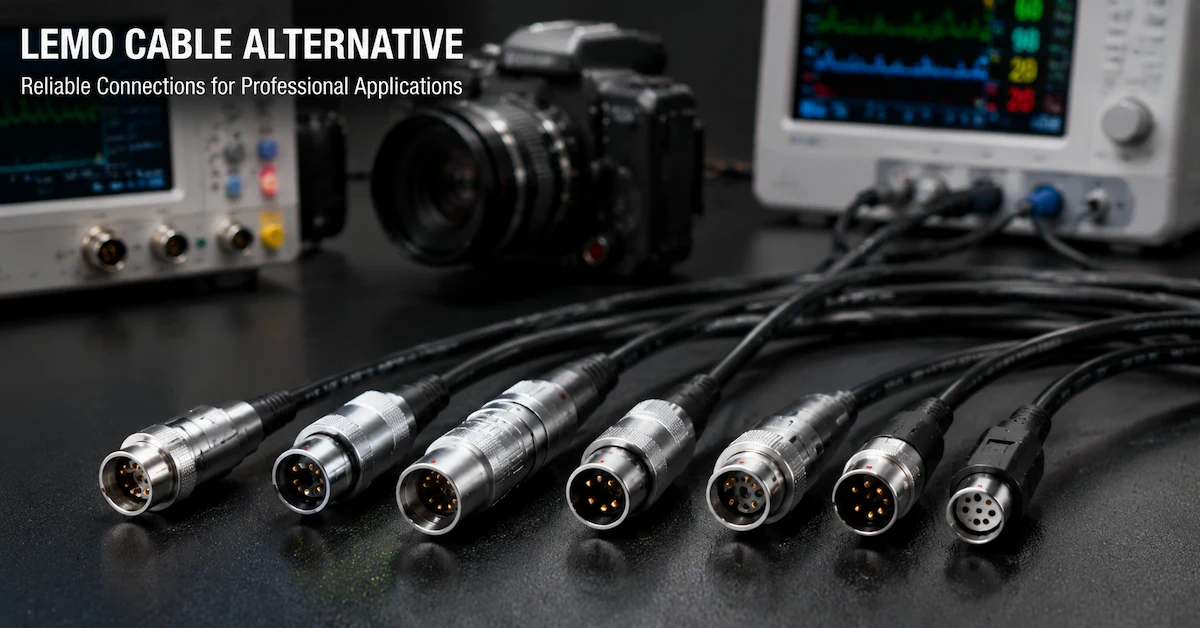
- Circular connector power cable
- Open-end power cable
- Power splitter cable
- Custom power harness
- Multi-branch DC power cable
- Power and signal hybrid cable
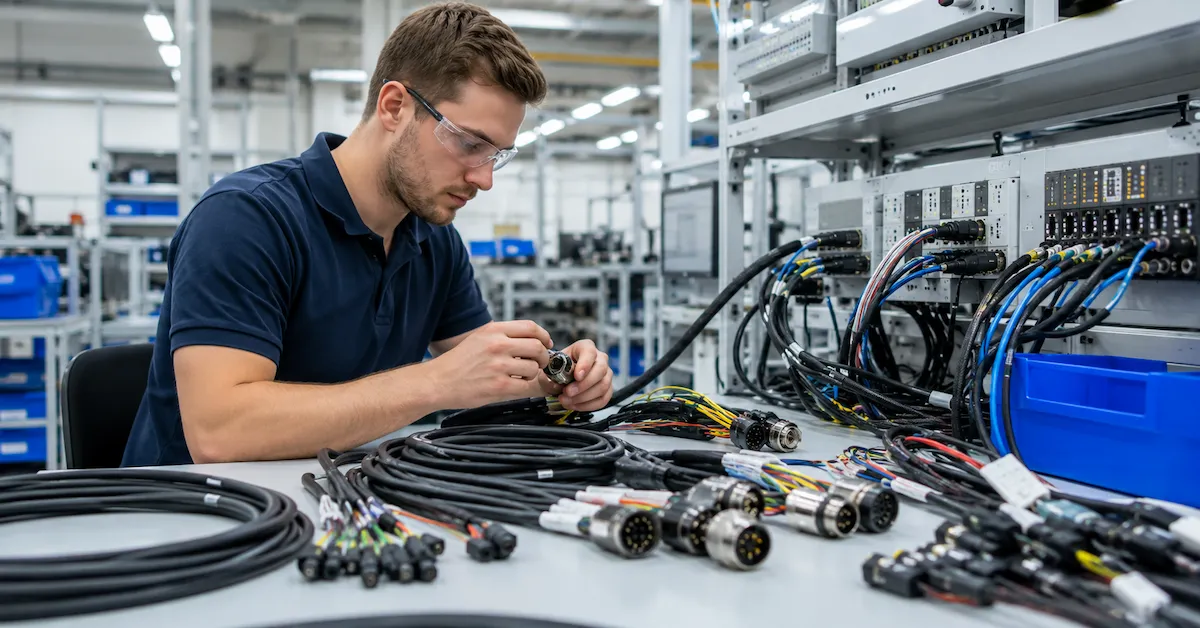
Because different equipment has different power requirements, many DC power cable assemblies need to be customized based on drawings, samples, connector models, or wiring specifications.
Where Are DC Power Cable Assemblies Used?
| Application | Cable Requirement | Buyer Concern |
|---|---|---|
| Professional camera systems | Battery to camera or monitor power | Stable power and compact routing |
| Broadcast and AV equipment | Power for monitors, recorders, converters | Field durability and connector reliability |
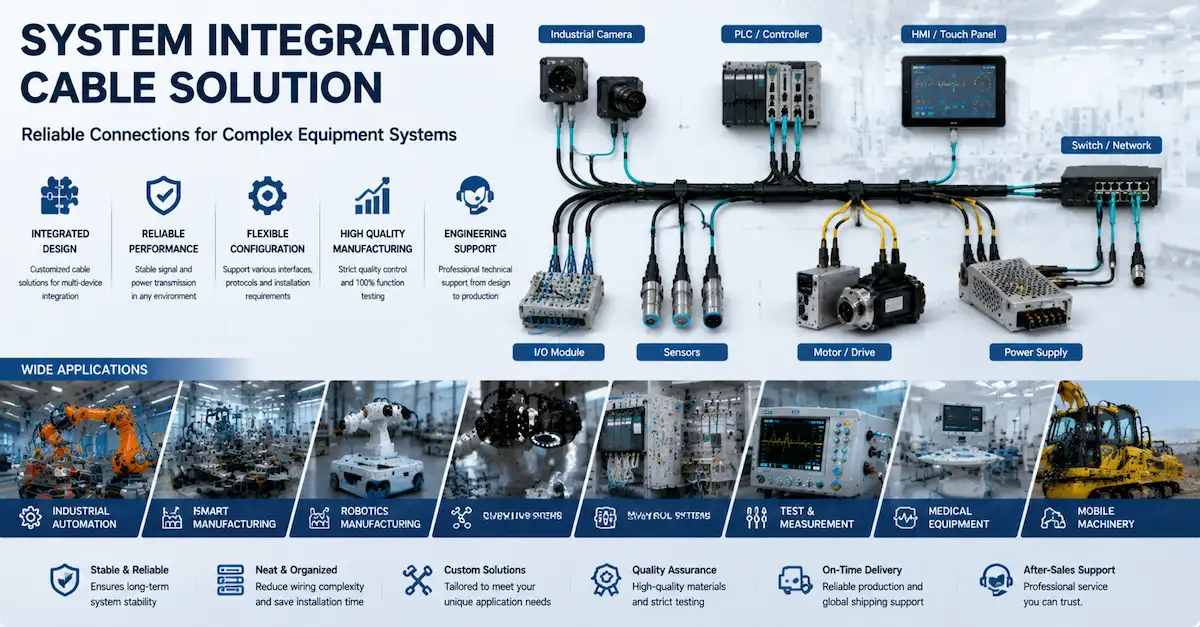
| Industrial electronics | DC power for modules and controllers | Voltage stability and safe wiring |
| Medical devices | Equipment power connection | Consistency and reliable contact |
| Test instruments | Power supply to measurement devices | Stable current and low failure risk |
| Robotics | Power cable for moving modules | Flexibility and strain relief |
| OEM electronics | Internal or external power harness | Batch consistency and integration fit |
A professional DC power cable assembly should be designed according to the real device structure and working environment.
Why DC Power Cable Design Matters
1. Voltage and Current Must Match the Equipment
The first step is confirming the electrical requirement. If the conductor is too small or the connector rating is too low, the cable may heat up, create voltage drop, or fail during long operation.
Buyers should confirm:
- Rated voltage
- Rated current
- Peak current
- Cable length
- Wire gauge
- Connector current rating
- Working temperature
- Continuous operating time
For professional equipment, it is safer to design the cable with margin instead of choosing the smallest possible wire size.
2. Polarity Must Be Correct
DC power cables have positive and negative conductors. Incorrect polarity may cause device failure or damage.
Before sample production, buyers should provide:
- Pinout or wiring diagram
- Positive and negative definition
- Connector orientation
- Device-side power requirement
- Grounding requirement if needed
- Color coding or labeling preference
A reliable supplier should verify polarity and wiring before shipment.
3. Cable Length Affects Power Stability
Longer cables may create more voltage drop, especially when the device uses higher current. A cable that works in short length may not perform the same when extended.
For custom DC power cable projects, buyers should avoid choosing length only by convenience. The supplier should evaluate cable length together with current, conductor size, and application requirement.
4. Connector Quality Affects Long-Term Reliability
DC power cable failures often happen at the connector end. Loose contact, weak soldering, poor strain relief, or low-quality connector materials can create unstable power.
Important connector factors include:
- Contact resistance
- Connector current rating
- Mating stability
- Shell strength
- Locking or retention design
- Cable-to-connector transition
- Repeated plug-and-unplug durability
For portable equipment, camera systems, and industrial devices, connector reliability is especially important.
Common DC Power Cable Connector Options
| Connector Type | Typical Use | Advantage |
| DC barrel connector | Adapters, monitors, small electronics | Simple and widely used |
| D-TAP connector | Camera batteries and film equipment | Common in professional video setups |
| Circular connector | Industrial and rugged equipment | Better mechanical retention |
| M8 / M12 connector | Industrial power and sensor systems | Reliable industrial connection |
| Open-end wiring | Internal equipment integration | Flexible for OEM assembly |
| Push-pull connector | Professional compact devices | Secure and quick connection |
| Custom connector | Special equipment interface | Best fit for project-specific needs |
The right connector should be selected based on current rating, device interface, space limitation, and working environment.
Standard DC Power Cable vs Custom DC Power Cable Assembly
| Option | Advantages | Limitations | Best For |
| Standard DC power cable | Easy to buy and low cost | Limited length, connector, and rating options | Simple replacement |
| Modified power cable | Faster adjustment | Limited structure optimization | Small project changes |
| Custom DC power cable assembly | Best fit for equipment needs | Requires specifications or samples | OEM and professional systems |
| Overmolded DC power cable | Stronger strain relief and cleaner finish | Higher setup requirement | Batch production and rugged use |
For B2B buyers, a custom DC power cable assembly usually provides better long-term value when the cable is part of a professional product, repeated production project, or high-reliability system.
Key Custom Options for DC Power Cable Assemblies
| Custom Option | Purpose |
| Custom cable length | Fits installation space and reduces clutter |
| Custom connector type | Matches device interface |
| Custom polarity | Prevents wiring mismatch |
| Wire gauge selection | Supports required current load |
| Flexible jacket | Improves routing and handling |
| Reinforced strain relief | Protects connector ends |
| Right-angle connector | Saves space in compact equipment |
| Overmolded design | Improves durability and appearance |
| Labeling | Helps installation and maintenance |
| OEM packaging | Supports equipment brands and project delivery |
These options are especially useful for camera equipment brands, industrial device manufacturers, medical equipment suppliers, test instrument makers, and OEM electronics companies.
How to Choose a DC Power Cable Assembly Supplier
A reliable supplier should understand both electrical and mechanical requirements. Buyers should not choose only by cable price.
| Evaluation Point | What to Check |
| Electrical capability | Can the supplier match voltage, current, and wire gauge? |
| Connector options | Can they support different power connectors? |
| Custom polarity | Can they follow wiring diagrams accurately? |
| Cable structure | Can they recommend flexible or rugged cable options? |
| Strain relief | Can they support reinforcement or overmolding? |
| Sample support | Can they make prototypes before bulk orders? |
| Testing process | Do they check continuity, polarity, short circuit, and fit? |
| Batch consistency | Can they repeat the same quality across future orders? |
A good DC power cable supplier should help reduce sourcing mistakes before production begins.
What Information Should Buyers Provide for a Quote?
To receive an accurate quotation, prepare the following details:
- Application or equipment type
- Connector type and model
- Cable length
- Voltage requirement
- Current requirement
- Wire gauge preference if available
- Polarity or pinout drawing
- Straight or right-angle connector preference
- Jacket flexibility requirement
- Working environment
- Quantity
- Drawing, photo, specification, or sample
If the cable is part of an OEM device, buyers can also provide installation space, device layout, and packaging requirements.
Why Choose Alvin’s Cables?
Alvin’s Cables supports custom cable assemblies and connector solutions for professional video equipment, camera systems, industrial electronics, medical devices, test instruments, robotics, and OEM applications.
For DC power cable assembly projects, Alvin’s Cables can support:
- Custom DC power cable assemblies
- D-TAP, circular, M8, M12, open-end, and custom power connector options
- Custom cable length and polarity
- Wire gauge selection based on current requirements
- Flexible and rugged cable structures
- Straight or right-angle connector assemblies
- Overmolding and strain relief support
- Prototype and sample development
- Low-to-mid volume and batch production
- Multi-stage inspection and functional testing
- OEM labeling and packaging support
Buyers can explore related products through Alvin’s Cables Products, learn more about company capability from About Alvin’s Cables, or review service advantages through Why Choose Alvin’s Cables.
FAQ
1. What is a DC power cable assembly?
A DC power cable assembly is a cable designed to transmit direct current power between a power source and electronic equipment.
2. Can DC power cables be customized?
Yes. DC power cables can be customized by connector type, cable length, wire gauge, polarity, jacket material, strain relief, labeling, and packaging.
3. Why is wire gauge important?
Wire gauge affects current capacity and voltage drop. If the wire is too thin for the current load, the cable may heat up or cause unstable power delivery.
4. Why is polarity important for DC power cables?
DC power cables have positive and negative wiring. Incorrect polarity may cause device failure or equipment damage.
5. What connectors are used for DC power cable assemblies?
Common options include DC barrel connectors, D-TAP, circular connectors, M8, M12, open-end wiring, push-pull connectors, and custom connectors.
6. Can Alvin’s Cables make samples before bulk orders?
Yes. Alvin’s Cables can support prototype and sample development before batch production.
7. What should I send for a quote?
Send connector type, cable length, voltage, current, polarity, quantity, application details, and any drawing, photo, or sample available.
8. Are DC power cable assemblies suitable for professional camera systems?
Yes. DC power cable assemblies are commonly used for cameras, monitors, recorders, battery systems, and professional video equipment.
Conclusion
A DC power cable assembly plays an important role in delivering stable power to professional equipment. For camera systems, industrial electronics, medical devices, test instruments, robotics, and OEM products, buyers should evaluate voltage, current, wire gauge, connector quality, polarity, strain relief, sample testing, and production consistency before placing orders.
A reliable supplier does more than make a cable. It helps reduce power risk, improve installation quality, and support long-term equipment reliability.
If you need a custom DC power cable assembly for professional equipment, contact Alvin’s Cables through the Contact Us page and share your connector type, voltage, current, cable length, polarity, application environment, and order quantity.