A LEMO cable supplier is often needed when professional equipment requires compact, secure, and high-reliability cable connections. These cable assemblies are commonly used in camera systems, broadcast equipment, medical devices, test instruments, robotics, sensors, and industrial electronics.
For B2B buyers, sourcing this type of cable is not only about finding a similar-looking connector. The real challenge is confirming connector compatibility, pinout accuracy, cable structure, shielding, strain relief, sample testing, and batch consistency.
In this article, “LEMO cable” refers to cable assemblies using original LEMO connectors or LEMO-compatible push-pull connector solutions, depending on the buyer’s technical and budget requirements. If your project requires original branded connectors, this should be clearly confirmed before production.
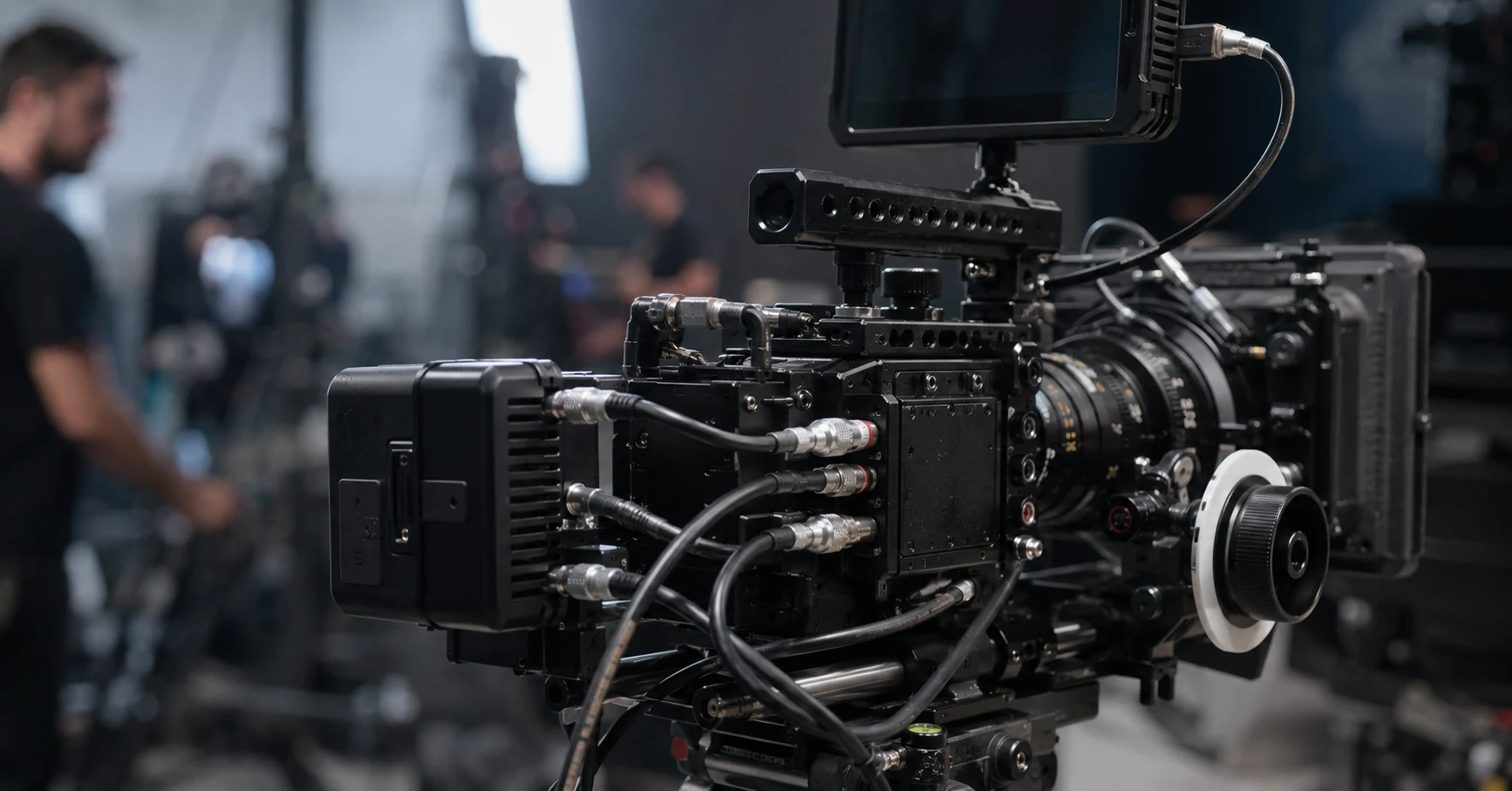
Quick Answer: What Should Buyers Look for in a LEMO Cable Supplier?
A reliable LEMO cable supplier should provide correct connector matching, custom pinout support, stable cable assembly quality, suitable shielding options, sample development, and consistent batch production. For professional equipment, buyers should share the connector model, pin count, wiring diagram, cable length, application environment, and quantity before requesting a quote.
A good supplier should not simply ask for length and quantity. It should help verify the technical details that affect real equipment performance.
Common Applications of LEMO Cable Assemblies
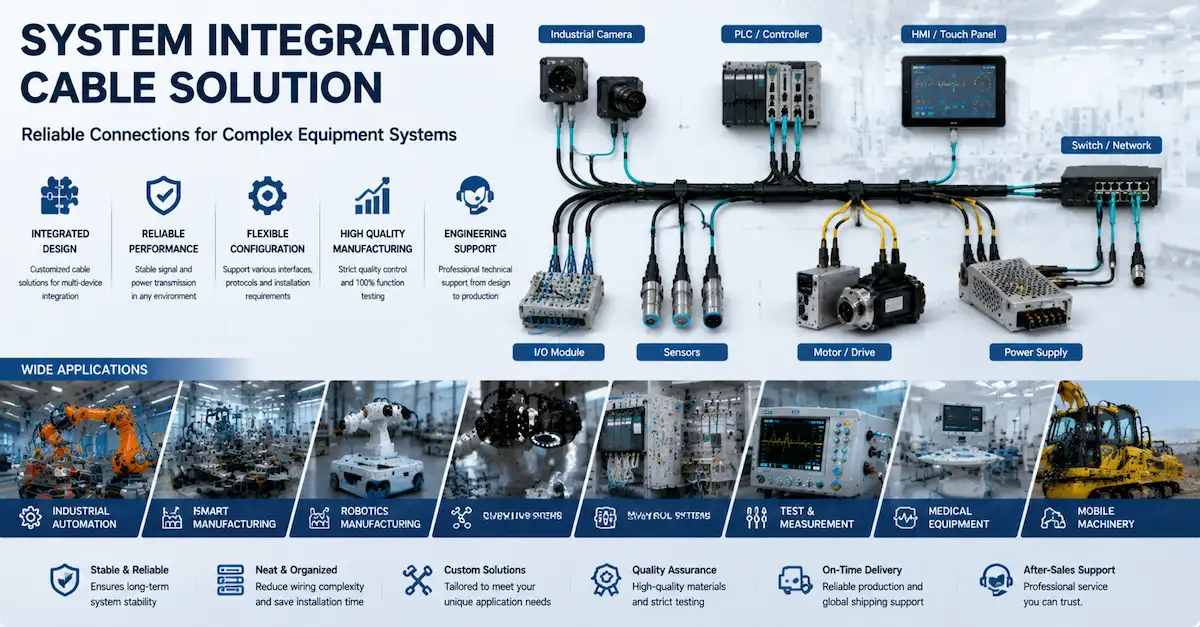
LEMO-style push-pull cable assemblies are used in industries where secure mating, compact design, and stable signal transmission are important.
| Application | Typical Cable Need | Main Buyer Concern |
|---|---|---|
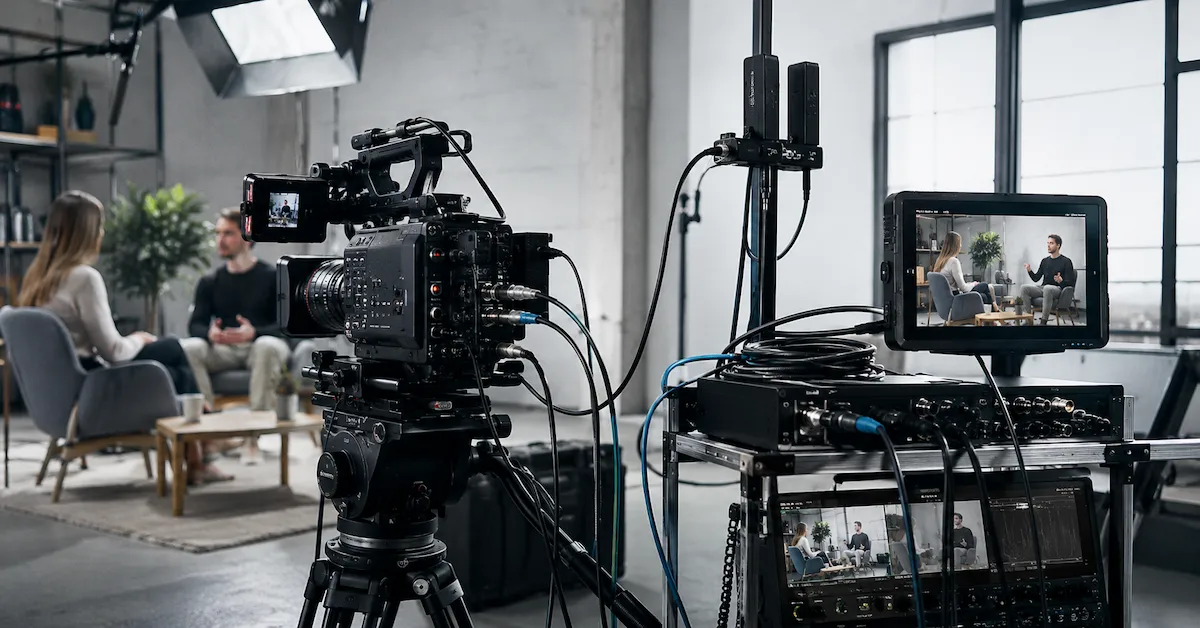
| Professional camera systems | Signal, power, control cable | Stable connection and compact routing |
| Broadcast equipment | Video, monitor, and control wiring | Field durability and connector reliability |
| Medical devices | Signal and device connection | Consistency and accurate wiring |
| Test instruments | Measurement and signal cable | Shielding and contact stability |
| Robotics | Flexible motion cable | Bending resistance and strain relief |
| Industrial electronics | Custom interface cable | Batch consistency and compatibility |
| Sensor systems | Small connector cable | Correct pinout and stable signal |
For buyers in professional video and camera equipment, Alvin’s Cables also provides related cable and connector categories through its Products page.
Why Choosing the Right LEMO Cable Supplier Matters
1. Connector Compatibility Can Be Complicated
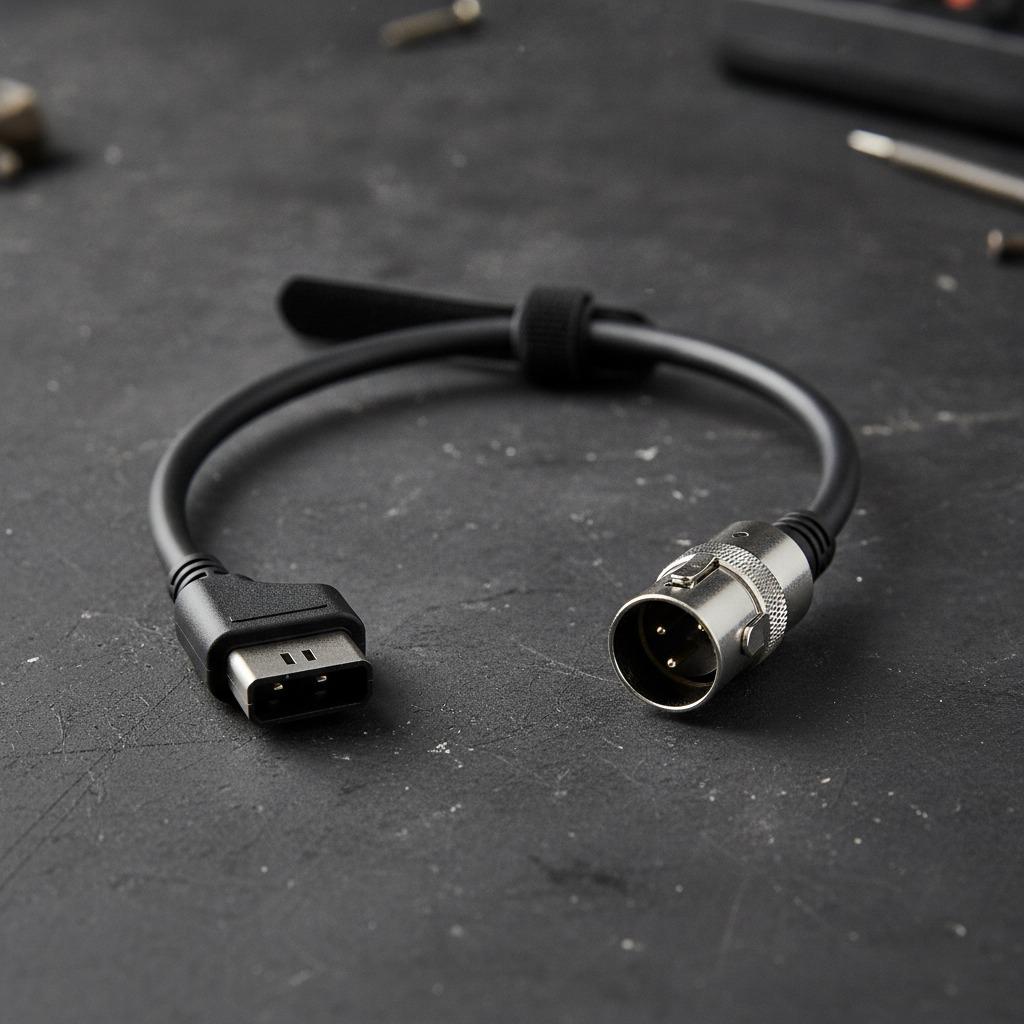
LEMO-style connectors may look similar, but they can differ in series, size, pin count, keying, shell type, plug direction, and contact layout. A wrong connector may not mate correctly with the device.
Before placing an order, buyers should confirm:
- Connector series or model
- Pin count
- Plug or receptacle type
- Male or female contact
- Straight or right-angle version
- Keying position
- Cable outlet direction
- Original connector or compatible connector requirement
If the buyer cannot identify the connector model, clear photos, measurements, or a physical sample can help reduce sourcing mistakes.
2. Pinout Accuracy Is Critical
A custom LEMO cable assembly must follow the correct wiring definition. Even if the connector fits physically, incorrect pinout may cause signal failure, unstable performance, or equipment damage.
Buyers should provide:
- Pin-to-pin wiring diagram
- Signal definition
- Voltage and current data
- Grounding requirement
- Shield connection requirement
- Device-side interface information
A professional LEMO cable supplier should verify pinout before sample production and test finished cables before shipment.
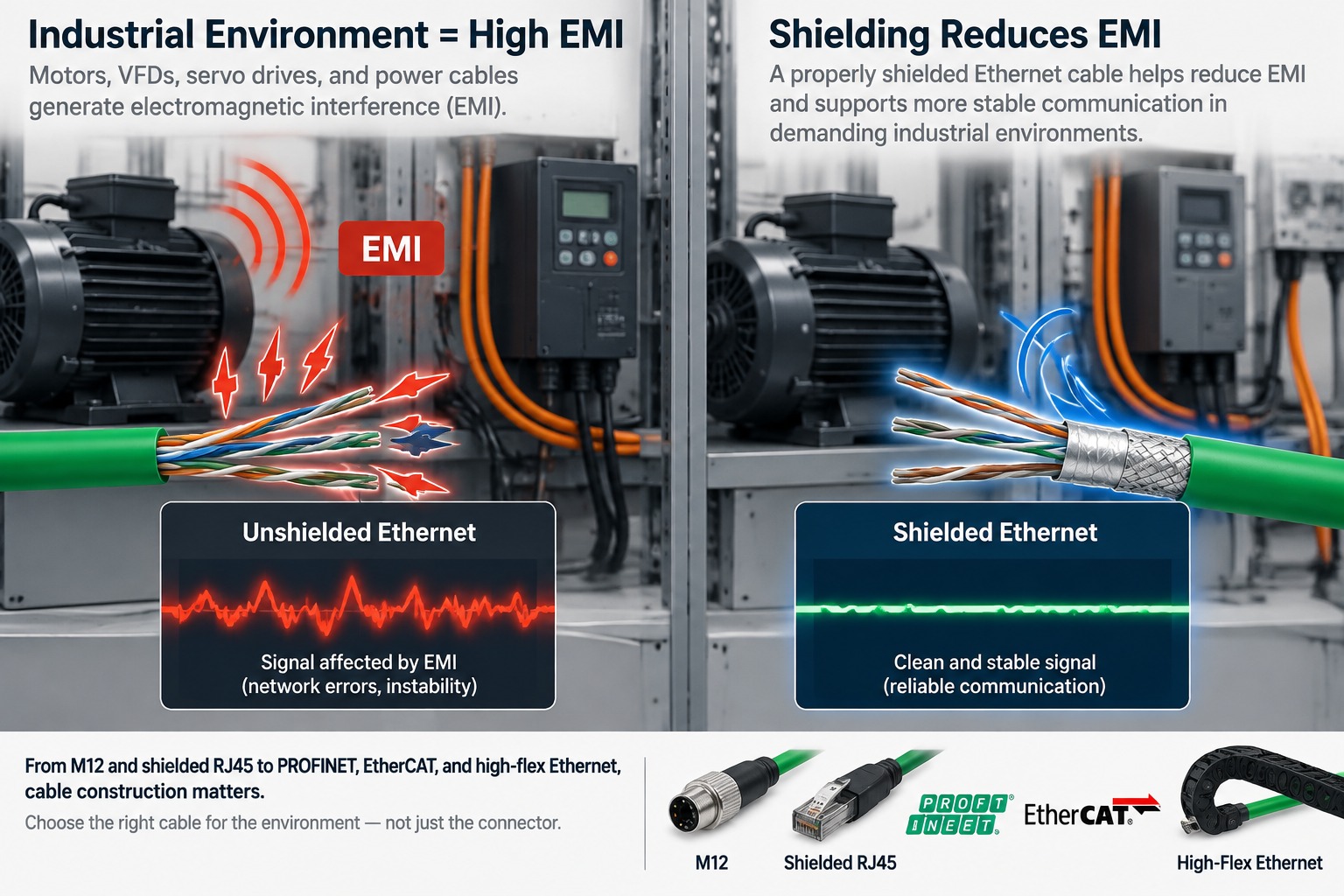
3. Shielding Affects Signal Stability
Many LEMO-style cable assemblies are used for camera signal, control data, measurement signal, or medical electronics. These applications may be sensitive to electromagnetic interference.
Depending on the application, buyers may need:
- Foil shielding
- Braided shielding
- Twisted pair structure
- Double shielding
- Shield-to-shell connection
- Proper grounding design
For professional camera rigs, broadcast systems, and test equipment, shielding should be selected based on the real operating environment, not only price.
4. Strain Relief Protects the Cable in Daily Use
Many cable failures happen near the connector end. This is common in portable equipment, camera rigs, test instruments, and field production systems where cables are frequently bent, pulled, packed, and reconnected.
A reliable cable assembly may need:
- Molded strain relief
- Heat-shrink reinforcement
- Flexible jacket material
- Right-angle connector design
- Reinforced cable-to-connector transition
- Proper cable diameter selection
For long-term use, mechanical durability is just as important as electrical performance.
LEMO Cable Supplier Evaluation Checklist
| Evaluation Point | What Buyers Should Check |
| Connector matching | Can the supplier identify series, pin count, and mating type? |
| Custom pinout | Can they follow drawings or wiring diagrams? |
| Cable material | Can they recommend flexible, shielded, or rugged cable options? |
| Shielding design | Can they support signal stability requirements? |
| Sample support | Can they make prototypes before bulk production? |
| Testing process | Do they check continuity, short circuit, pinout, and fit? |
| Batch consistency | Can they repeat the same quality across future orders? |
| OEM support | Can they support labeling, packaging, and long-term supply? |
| Communication | Can they understand technical details clearly? |
This checklist helps buyers avoid choosing a supplier based only on the lowest price.
Standard LEMO Cable vs Custom LEMO Cable Supplier
| Option | Advantages | Limitations | Best For |
| Standard cable | Fast purchase and easy replacement | Limited length, pinout, and connector options | Simple replacement |
| Compatible push-pull cable | More flexible cost and customization | Requires careful compatibility check | Project-based sourcing |
| Custom LEMO cable assembly | Best fit for exact equipment needs | Needs drawings or samples | OEM and professional systems |
| Overmolded cable assembly | Stronger strain relief and cleaner finish | Higher setup requirement | Batch production and rugged use |
For B2B buyers, custom cable assemblies usually provide better long-term value when the cable is part of a professional product or equipment system.
What Information Should You Send for a Quote?
To get a faster and more accurate quotation from a LEMO cable supplier, prepare the following information:
- Connector model or clear connector photos
- Pin count
- Plug or receptacle requirement
- Male or female contact requirement
- Cable length
- Pinout or wiring diagram
- Voltage and current requirement
- Signal type
- Shielding requirement
- Straight or right-angle connector preference
- Quantity
- Drawing, photo, specification, or sample
If you are still in the design stage, you can send the device layout, application details, and installation space. A supplier can help evaluate a practical cable assembly direction.
Common Buyer Mistakes When Sourcing LEMO Cables
Mistake 1: Treating All Push-Pull Connectors as the Same
Not all push-pull circular connectors are interchangeable. Connector series, keying, size, and contact arrangement must be confirmed carefully.
Mistake 2: Ignoring Original vs Compatible Connector Requirements
Some projects require original LEMO connectors. Other projects can use compatible push-pull connectors for cost or availability reasons. The supplier and buyer should confirm this clearly before production.
Mistake 3: Sending Only a Product Photo
A photo can help, but it may not show pinout, wiring, shielding, or internal structure. For custom production, technical details are necessary.
Mistake 4: Skipping Sample Testing
Samples should be tested in the real device before bulk orders. Fit, signal quality, routing, and bending performance cannot be fully judged from a quotation sheet.
Mistake 5: Choosing Only by Low Price
Very low-cost cable assemblies may create higher risks in connector quality, soldering, shielding, and consistency. For professional equipment, reliability should be part of the purchasing decision.
Why Choose Alvin’s Cables as Your LEMO Cable Supplier?
Alvin’s Cables supports custom cable assemblies and connector solutions for professional video equipment, camera systems, industrial electronics, medical devices, test equipment, and OEM applications.
For LEMO-style cable projects, Alvin’s Cables can support buyers with:
- Custom push-pull cable assemblies
- LEMO or LEMO-compatible connector options based on project needs
- Custom cable length and pinout
- Shielded signal cable structures
- Straight or right-angle connector designs
- Overmolding and strain relief options
- Prototype and sample support
- Low-to-mid volume and batch production
- Multi-stage inspection and functional testing
To understand the company’s background and cable assembly capability, buyers can visit About Alvin’s Cables. For manufacturing, quality, and service advantages, visit Why Choose Alvin’s Cables.
FAQ: LEMO Cable Supplier
1. What is a LEMO cable supplier?
A LEMO cable supplier provides cable assemblies using original LEMO connectors or LEMO-compatible push-pull circular connectors for professional equipment applications.
2. Can LEMO cables be customized?
Yes. LEMO-style cables can be customized by connector type, cable length, pinout, shielding, jacket material, connector angle, labeling, and packaging.
3. What industries use LEMO cable assemblies?
They are widely used in professional video systems, broadcast equipment, medical devices, test instruments, robotics, sensors, and industrial electronics.
4. Should I choose original LEMO connectors or compatible connectors?
It depends on your equipment requirement, budget, certification needs, and customer expectations. Buyers should clearly confirm this with the supplier before production.
5. What information is required for quotation?
You should provide connector model, pin count, cable length, pinout, voltage/current, signal type, shielding requirement, quantity, and any drawing or sample.
6. Why is shielding important?
Shielding helps reduce EMI/RFI interference and supports stable signal transmission, especially in video, test, medical, and industrial electronic systems.
7. Can Alvin’s Cables make samples before bulk orders?
Yes. Alvin’s Cables can support prototype and sample development before batch production.
8. What is the difference between a LEMO cable manufacturer and a LEMO cable supplier?
A manufacturer focuses on production capability, while a supplier should also support sourcing advice, connector matching, project communication, customization, quality inspection, and delivery coordination.
Conclusion
Choosing a reliable LEMO cable supplier is important for professional video equipment, medical devices, test instruments, robotics, sensors, and industrial electronics. Buyers should evaluate connector compatibility, pinout accuracy, shielding design, strain relief, sample testing, and batch consistency before placing orders.
A good supplier does more than sell a cable. It helps reduce technical risk, improve equipment reliability, and support long-term supply.
If you need a custom LEMO cable assembly or LEMO-compatible push-pull cable solution, contact Alvin’s Cables through the Contact Us page and share your connector model, pinout, cable length, application environment, and order quantity.