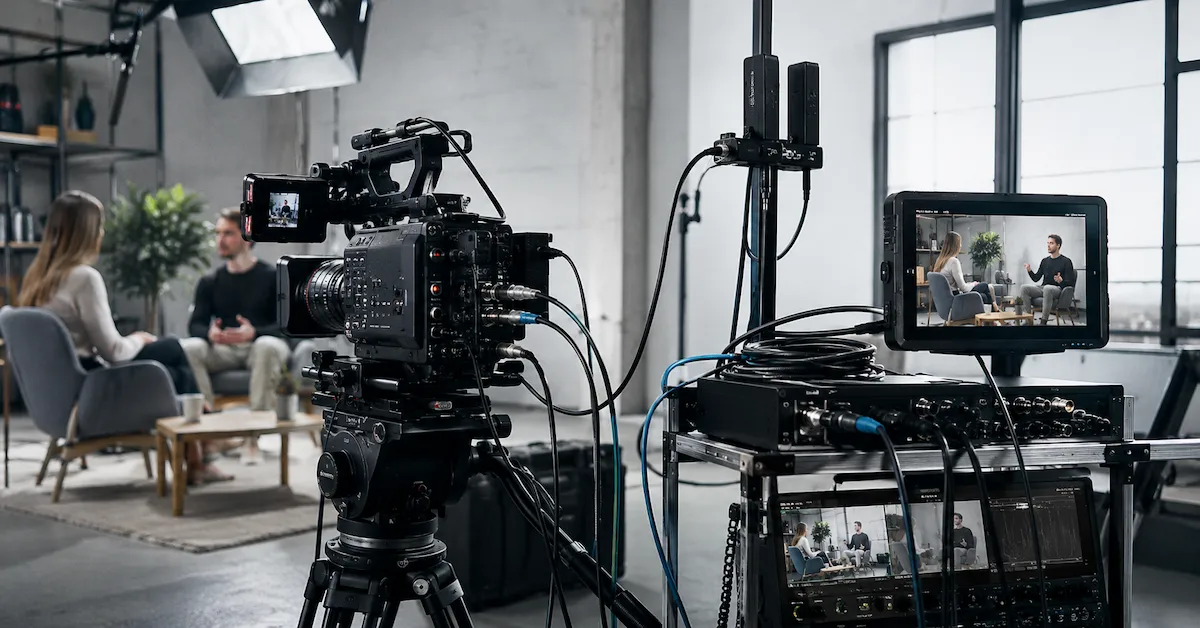
A reliable SDI cable supplier is important for broadcast cameras, production monitors, video switchers, recorders, live streaming systems, AV control rooms, and professional video equipment. In these applications, the cable is not just a simple accessory. It directly affects signal stability, image quality, setup efficiency, and field reliability.
For B2B buyers, choosing an SDI cable should not only depend on price or cable length. A professional SDI cable assembly must match the required video format, connector type, cable structure, shielding performance, bending condition, installation environment, and long-term production needs.
Alvin’s Cables supports custom cable assemblies and connector solutions for professional video equipment, camera systems, industrial electronics, medical devices, test instruments, and OEM applications. For SDI cable projects, buyers can provide connector requirements, cable length, application details, or samples for evaluation.
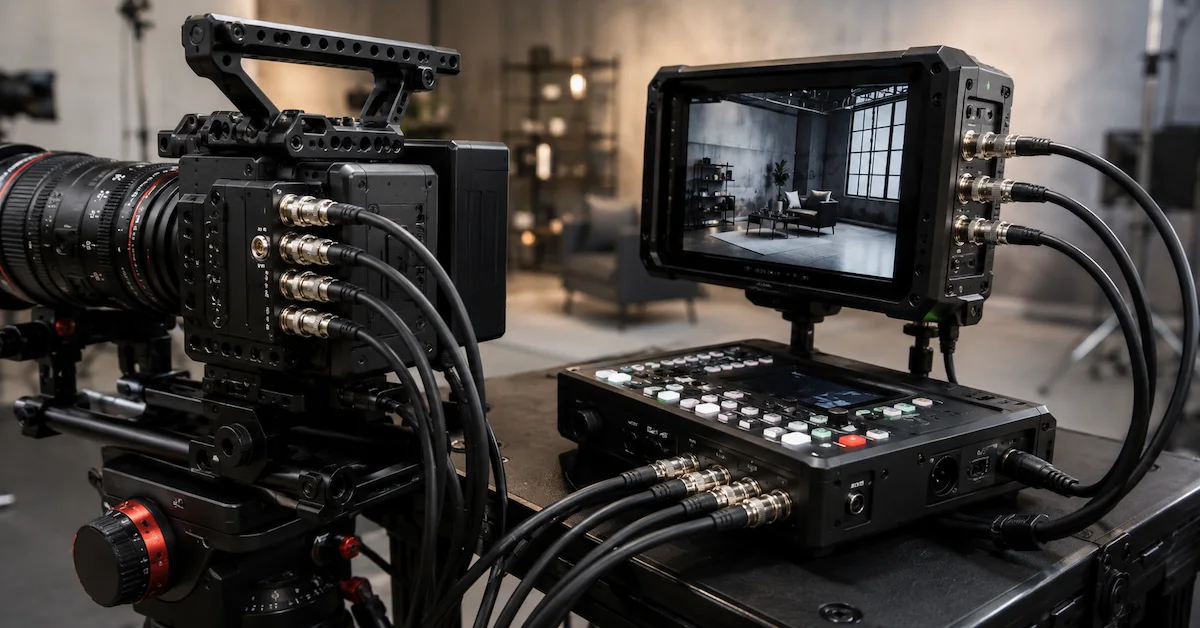
What Is an SDI Cable?
An SDI cable is a professional video cable used to transmit serial digital video signals between broadcast and AV equipment. It is commonly used with BNC connectors and is widely applied in camera systems, monitors, switchers, routers, recorders, converters, and live production devices.
Common SDI cable applications include:
- Camera to monitor connection
- Camera to video switcher connection
- Recorder and converter connection
- Broadcast studio wiring
- Live production setup
- AV control room signal routing
- Professional field production
- OEM video equipment integration
Compared with consumer video cables, SDI cables are usually selected for professional environments where long working hours, secure connection, and stable signal transmission are important.
Where Are SDI Cables Used?
| Application | Cable Requirement | Buyer Concern |
|---|---|---|
| Broadcast camera systems | Stable video signal cable | Signal drop and connector durability |
| Live production | Fast setup and reliable transmission | Field reliability and repeated use |
| Studio control room | Organized signal routing | Cable management and labeling |
| Field monitors | Camera-to-monitor video connection | Flexible routing and secure connection |
| Video switchers | Multi-channel video input/output | Stable contact and signal consistency |
| AV integration | Display and control system wiring | Clean installation and long cable runs |
| OEM video equipment | Custom interface cable | Batch consistency and fit |
A good SDI cable supplier should understand these application differences and recommend suitable cable structures instead of offering only standard cables.
Why SDI Cable Quality Matters
1. Signal Stability
SDI systems are used for professional video transmission, so signal stability is the most important requirement. Poor cable quality may lead to signal loss, image flicker, unstable display, or production interruption.
Buyers should consider:
- Cable type and impedance
- Connector quality
- Shielding structure
- Cable length
- Termination quality
- Contact stability
- Application environment
Even if two SDI cables look similar from the outside, the internal conductor, shielding, and assembly quality may be very different.
2. Connector Reliability
Most SDI cable assemblies use BNC-style connectors. In broadcast and field production, connectors are frequently plugged, unplugged, moved, packed, and reconnected.
A reliable connector should provide:
- Secure locking
- Stable contact
- Strong metal shell
- Good cable-to-connector transition
- Pull resistance
- Consistent mating performance
For field production teams and equipment brands, weak connectors can cause more problems than the cable itself.
3. Shielding and Interference Protection
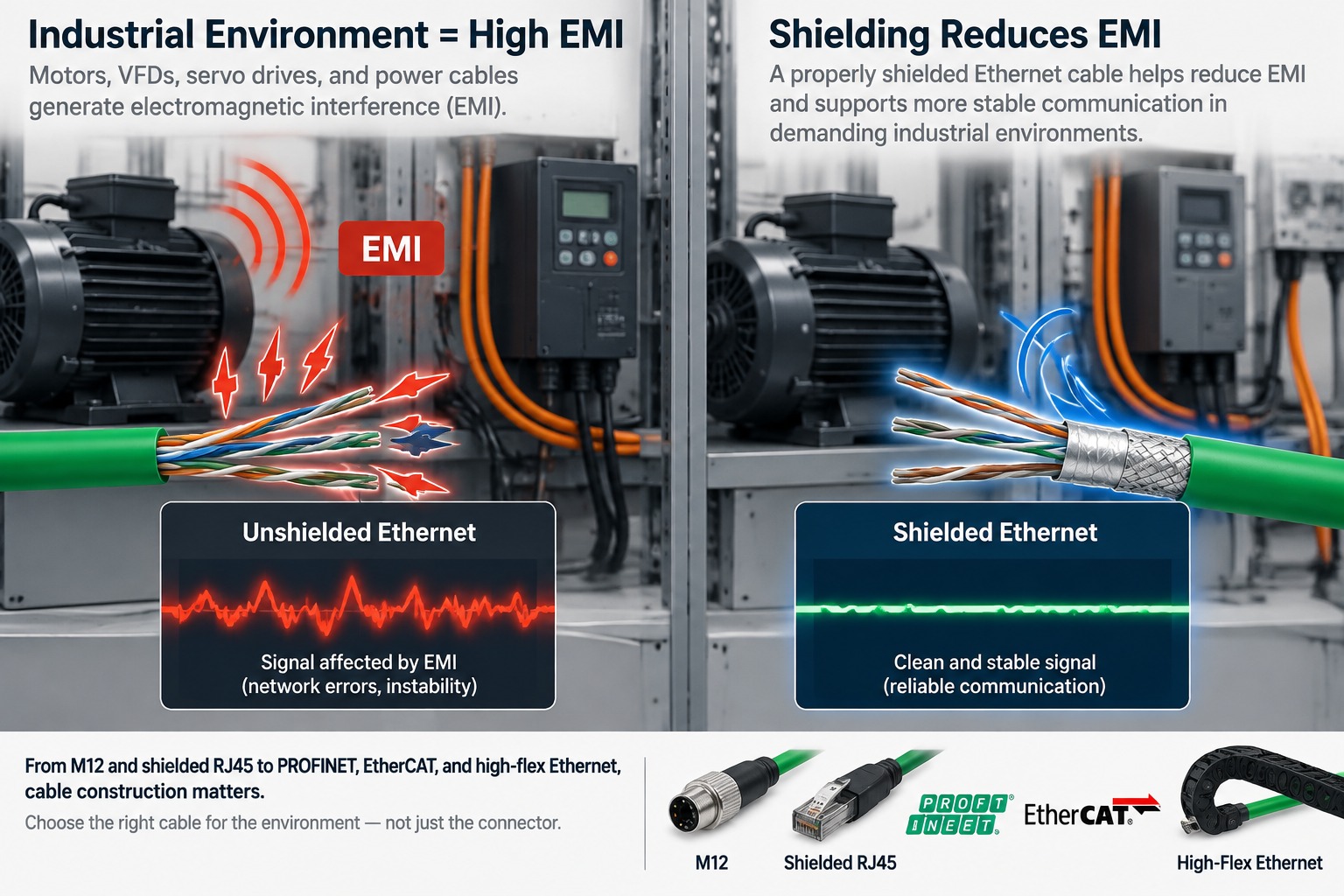
Professional video systems often work near power cables, lighting equipment, wireless devices, control units, audio systems, and other electronics. Shielding helps reduce interference and supports stable transmission.
A professional SDI cable may require:
- Braided shielding
- Foil shielding
- Double shielding
- Proper grounding
- Durable jacket
- Good connector shielding continuity
For broadcast studios, production trucks, AV racks, and industrial video systems, shielding should be selected according to real operating conditions.
4. Flexibility and Field Durability
SDI cables used in field production often need to be coiled, moved, pulled, and installed repeatedly. A cable that is too stiff may create setup problems or damage the connector end.
Buyers should check:
- Jacket flexibility
- Cable diameter
- Bend radius
- Abrasion resistance
- Strain relief
- Connector transition
- Cable storage and handling needs
For repeated use, durability and flexibility are just as important as signal performance.
Standard SDI Cable vs Custom SDI Cable Assembly
| Option | Advantages | Limitations | Best For |
| Standard SDI cable | Easy to buy and quick to replace | Limited length and structure options | General use |
| Short SDI patch cable | Good for rack or monitor setup | Not suitable for every layout | AV racks and compact equipment |
| Custom SDI cable assembly | Better fit for equipment layout | Requires specification confirmation | OEM and professional projects |
| Reinforced SDI cable | Better durability and strain relief | Higher production requirement | Field production and repeated use |
For B2B buyers, a custom SDI cable assembly is often more suitable when the cable must match a specific camera rig, AV cabinet, control room, or OEM device structure.
Common Custom SDI Cable Options
| Custom Option | Purpose |
| Custom cable length | Fits the exact installation distance |
| BNC connector selection | Matches equipment interface |
| Right-angle connector | Saves space in compact setups |
| Flexible jacket | Improves field handling |
| Reinforced strain relief | Protects connector ends |
| Shielded structure | Reduces EMI/RFI interference |
| Labeling | Helps installation and maintenance |
| Color marking | Supports channel identification |
| OEM packaging | Supports equipment brands and project delivery |
| Sample production | Confirms fit before bulk order |
Custom options are especially useful for broadcast equipment brands, AV integrators, rental companies, and OEM video equipment manufacturers.
How to Choose an SDI Cable Supplier
A professional SDI cable supplier should do more than sell cables from stock. The supplier should understand professional video applications, connector assembly, shielding, cable routing, testing, and batch consistency.
Buyers should evaluate:
| Evaluation Point | What to Check |
| Product experience | Does the supplier understand broadcast and professional video use? |
| Connector quality | Can they support reliable BNC connector assembly? |
| Custom length | Can they make project-specific cable lengths? |
| Shielding options | Can they recommend suitable shielding structures? |
| Sample support | Can they make samples before bulk production? |
| Testing process | Do they check continuity, short circuit, fit, and function? |
| Batch consistency | Can they repeat the same structure across future orders? |
| OEM support | Can they support labeling, packaging, and delivery needs? |
This checklist helps buyers avoid choosing only by low price.
What Information Should Buyers Provide for a Quote?
To get a faster and more accurate quotation, prepare the following information:
- Application or equipment type
- Required cable length
- Connector type
- Straight or right-angle connector preference
- Cable flexibility requirement
- Shielding requirement
- Working environment
- Quantity
- Labeling or packaging needs
- Drawing, photo, or sample if available
If the SDI cable is part of a larger equipment system, buyers can also provide the camera model, monitor model, rack layout, or installation drawing.
Why Choose Alvin’s Cables as Your SDI Cable Supplier?
Alvin’s Cables supports custom cable assemblies and connector solutions for professional video systems, camera equipment, industrial electronics, test instruments, medical devices, and OEM applications.
For SDI cable projects, Alvin’s Cables can support:
- Custom SDI cable assemblies
- BNC connector cable solutions
- Custom cable length
- Straight or right-angle connector options
- Shielded video cable structures
- Flexible and rugged cable options
- Reinforced strain relief
- Prototype and sample development
- Low-to-mid volume and batch production
- Multi-stage inspection and functional testing
- OEM labeling and packaging support
Buyers can explore related cable products through Alvin’s Cables Products, learn more about company capability from About Alvin’s Cables, or review service advantages through Why Choose Alvin’s Cables.
FAQ
1. What is an SDI cable used for?
An SDI cable is used for professional video signal transmission between cameras, monitors, switchers, recorders, converters, and broadcast equipment.
2. What connector is commonly used for SDI cables?
SDI cables commonly use BNC connectors because they provide secure locking and stable signal connection for professional video equipment.
3. Can SDI cables be customized?
Yes. SDI cables can be customized by cable length, connector type, connector angle, shielding, jacket material, labeling, and packaging.
4. Why is shielding important for SDI cables?
Shielding helps reduce electromagnetic interference and supports stable video signal transmission in broadcast, studio, field, and AV environments.
5. Can Alvin’s Cables make SDI cable samples?
Yes. Alvin’s Cables can support prototype and sample development before bulk production.
6. What should I send for a quote?
Send the cable length, connector type, application, quantity, shielding requirement, labeling need, and any drawing, photo, or sample available.
7. Are custom SDI cables suitable for broadcast systems?
Yes. Custom SDI cables are suitable for broadcast systems when specific length, routing, durability, or labeling requirements are needed.
8. How do I choose a reliable SDI cable supplier?
Choose a supplier that can support connector quality, shielding, custom length, sample testing, batch consistency, and OEM production needs.
Conclusion
Choosing the right SDI cable supplier is important for broadcast cameras, production monitors, video switchers, live production systems, AV integration, and OEM video equipment. Buyers should evaluate signal stability, connector quality, shielding, cable flexibility, strain relief, testing, and supplier reliability before placing orders.
A good supplier does more than provide a cable. It helps reduce signal risk, improve installation efficiency, and support long-term equipment reliability.
If you need a custom SDI cable assembly for professional video, broadcast, or OEM equipment, contact Alvin’s Cables through the Contact Us page and share your cable length, connector type, application environment, and order quantity.