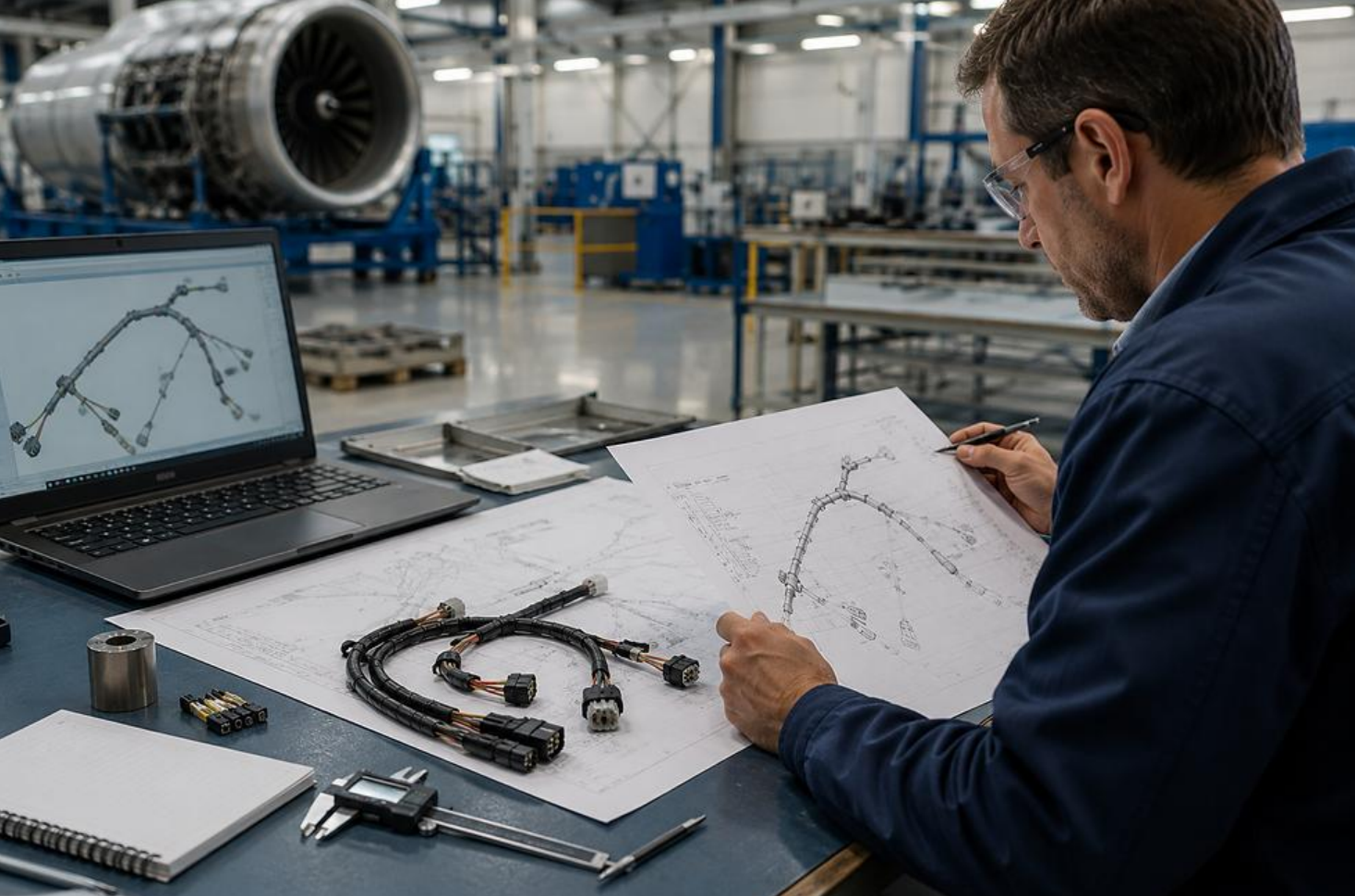
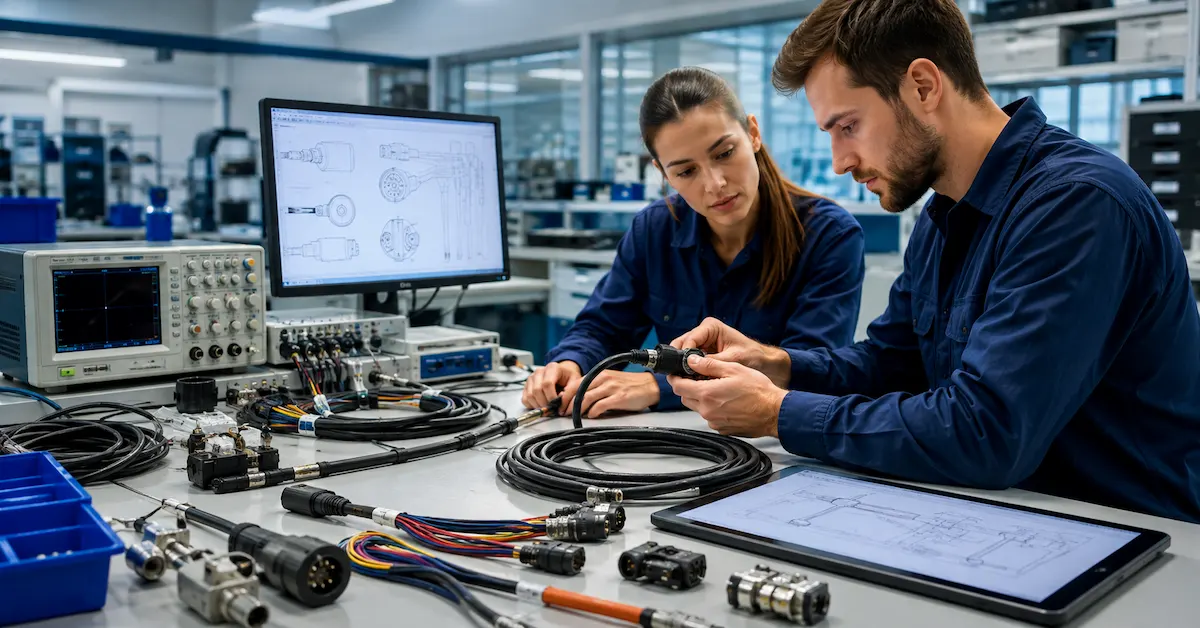
Modern professional equipment requires cable systems that can deliver stable power, accurate signals, and reliable data transmission under demanding operating conditions. A high performance cable system is designed to meet these challenges through optimized cable structures, premium connectors, advanced shielding, and application-specific engineering.
In industrial automation, robotics, professional video production, machine vision, test equipment, and OEM electronics, cable performance directly affects system efficiency and reliability.
A standard cable may provide basic connectivity, but high-performance applications often require improved signal integrity, higher durability, better electromagnetic protection, and consistent performance over long operating periods.
A properly engineered high performance cable system helps businesses reduce downtime, improve equipment stability, and support advanced technology applications.
What Is a High Performance Cable System?
A high performance cable system is a customized cable solution designed to provide superior electrical, mechanical, and environmental performance compared with standard cable products.
A complete system may include:
- High-speed data cables
- Professional video cables
- Power cable assemblies
- Signal transmission cables
- Shielded cable assemblies
- Multi-function cable systems
- Custom connector assemblies
- OEM cable solutions
The design focuses on:
- Signal integrity
- Transmission stability
- Power reliability
- Mechanical durability
- Environmental resistance
- Long service life
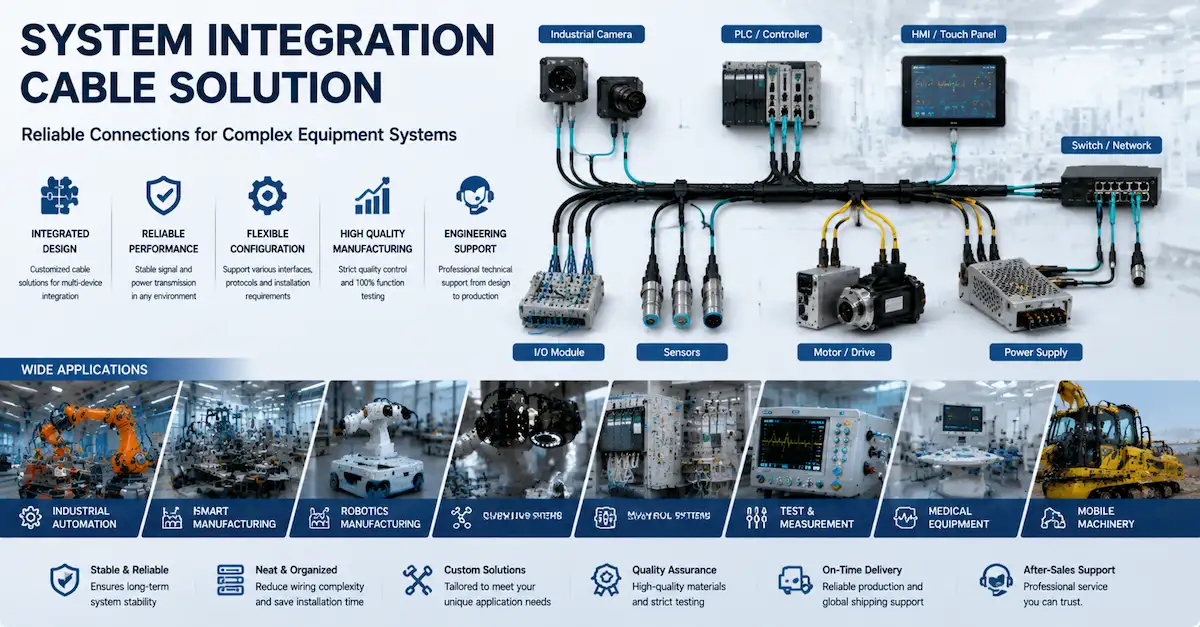
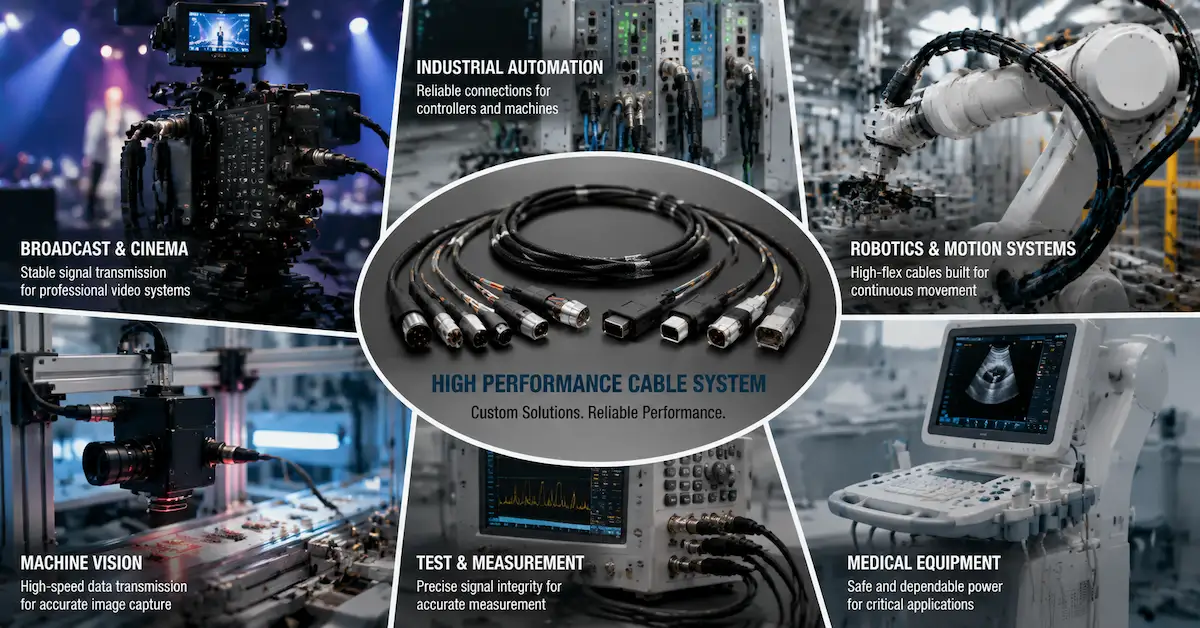
Where Are High Performance Cable Systems Used?
| Application | Performance Requirement | Buyer Concern |
|---|---|---|
| Industrial automation | Fast and stable communication | Equipment uptime |
| Robotics | Flexible and durable connections | Movement reliability |
| Machine vision | High-speed image transmission | Signal accuracy |
| Professional video | High-quality video transfer | Image stability |
| Test equipment | Precise signal transmission | Measurement accuracy |
| Medical equipment | Reliable internal connections | Consistency |
| OEM electronics | Customized integration | Repeat production |
| Advanced machinery | Multiple signal and power connections | System reliability |
Why High Performance Cable Systems Matter
1. Improving Signal Integrity
High-performance systems often transmit sensitive signals where small interference can affect equipment operation.
Potential problems include:
- Signal loss
- Data errors
- Image distortion
- Communication interruption
- Reduced system efficiency
A high performance cable system improves reliability through:
- Proper conductor selection
- Controlled cable structure
- Shielding design
- Quality connectors
- Accurate assembly
2. Supporting High-Speed Data Transmission
Modern equipment increasingly requires faster communication between devices.
Applications include:
- Industrial cameras
- Vision inspection systems
- Data acquisition equipment
- Communication modules
- Professional imaging systems
High-performance cable designs consider:
- Data rate
- Cable length
- Impedance
- Signal attenuation
- Connector quality
3. Providing Stable Power Delivery
Some advanced systems require both power and signal transmission.
A suitable cable system must manage:
- Voltage requirements
- Current capacity
- Heat generation
- Connector rating
- Grounding
Reliable power delivery helps prevent:
- Equipment resets
- Performance reduction
- Connector overheating
- Unexpected failures
4. Increasing Equipment Durability
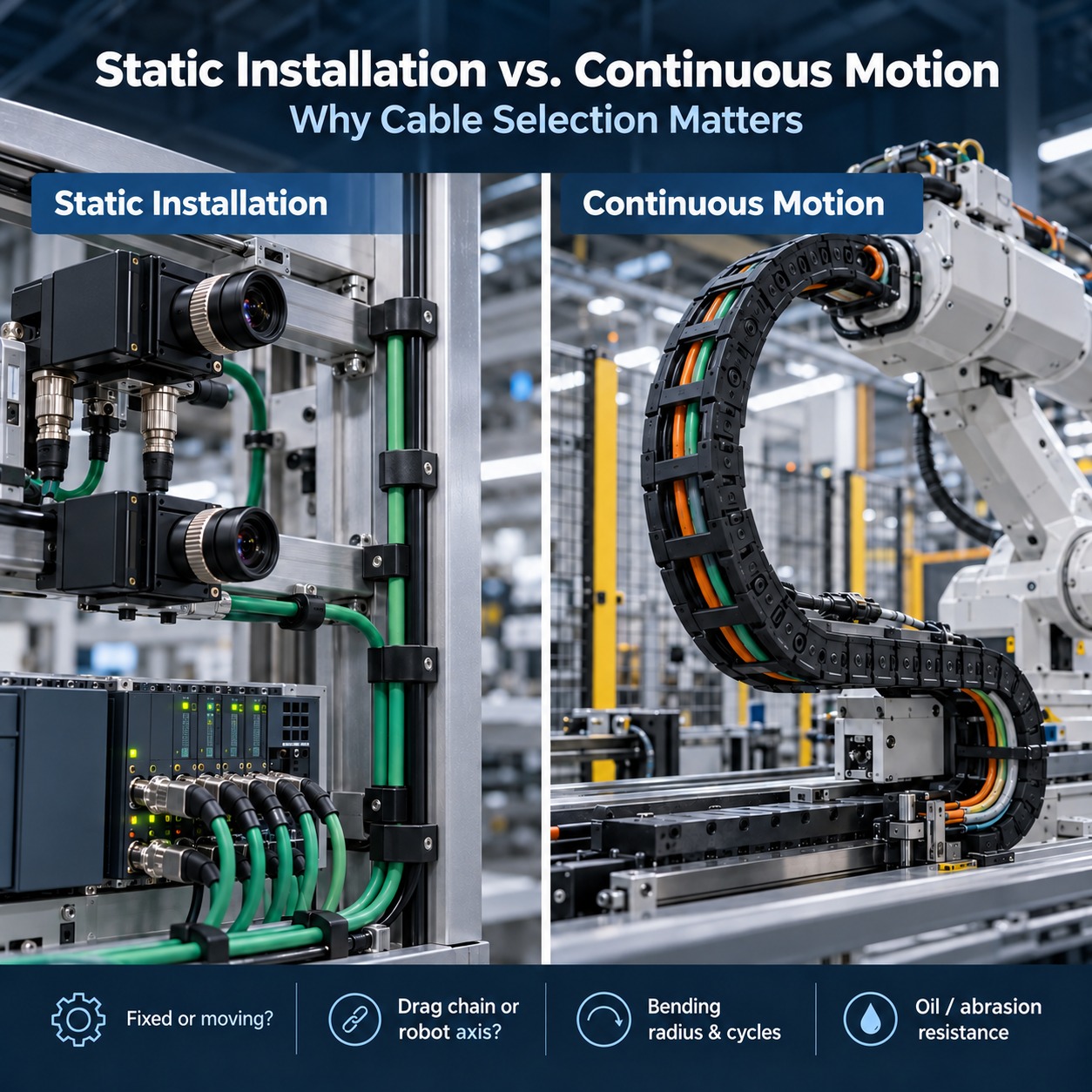
Professional environments expose cables to:
- Vibration
- Bending
- Temperature changes
- Mechanical stress
- Frequent installation
High performance cable systems may include:
- Flexible jackets
- Rugged connectors
- Strain relief
- Protective sleeving
- Overmolding
- High-flex structures
Common High Performance Cable Systems
| Cable System | Application | Main Advantage |
| High-speed signal cable | Data communication | Stable transmission |
| Shielded cable system | Industrial environments | EMI protection |
| High-flex cable system | Robotics | Long bending life |
| Professional video cable | Broadcast and cinema | High-quality signal |
| Power and signal hybrid cable | Integrated equipment | Space optimization |
| Custom cable harness | OEM machinery | Organized connections |
| Industrial Ethernet cable | Automation | Fast communication |
| Multi-device cable system | Complex equipment | System integration |
High Performance Cable System Design Factors
Cable Structure
The cable structure determines:
- Signal quality
- Flexibility
- Mechanical strength
- Environmental resistance
Important factors include:
- Conductor material
- Insulation material
- Shielding layers
- Jacket design
- Cable diameter
Connector Performance
High-performance applications require connectors that provide:
- Reliable contact
- Mechanical strength
- Correct electrical rating
- Secure locking
Common connector options include:
- M8
- M12
- RJ45
- Hirose
- BNC
- HDMI
- D-TAP
- XLR
- Custom connectors
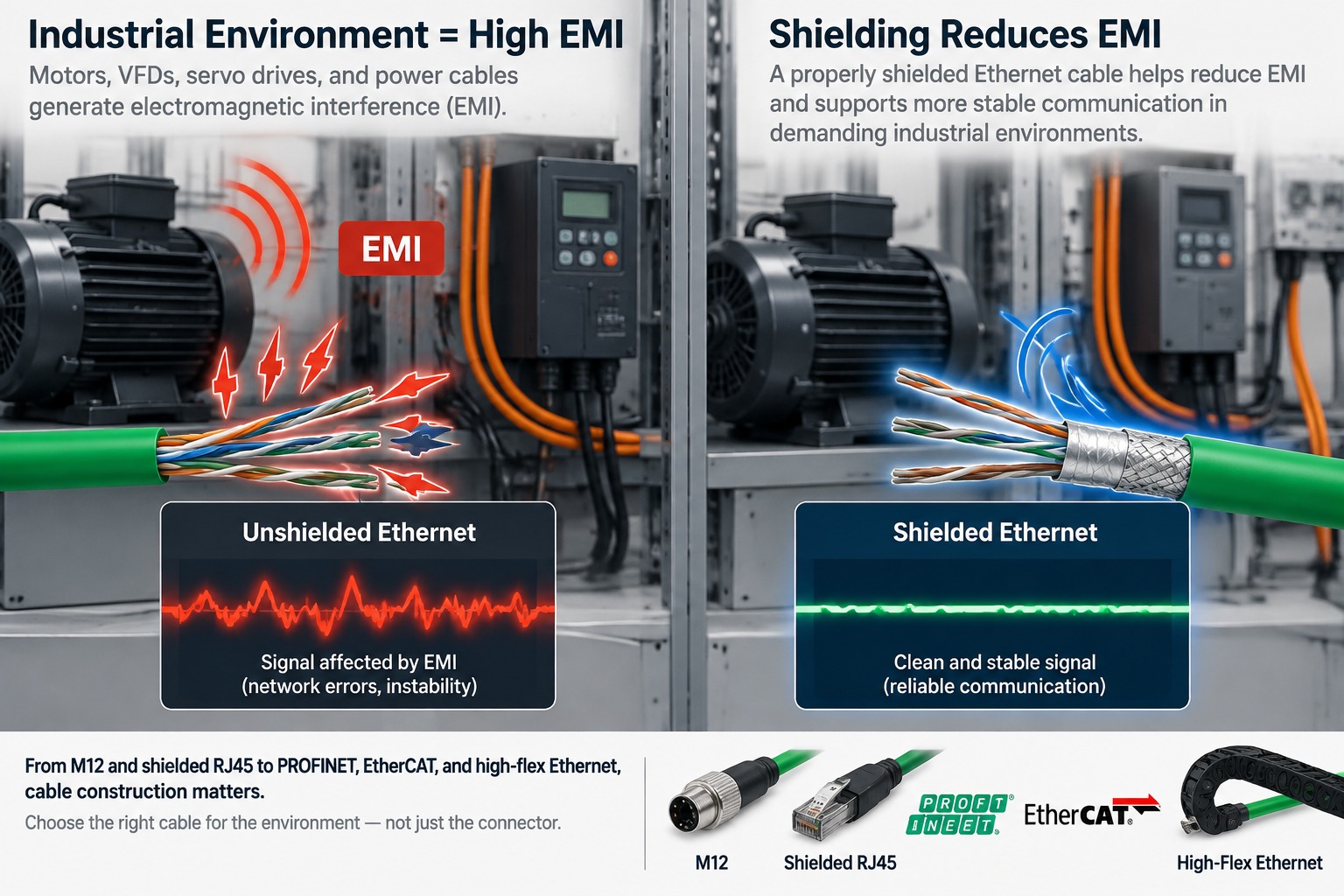
Shielding Technology
Sensitive systems may require advanced shielding.
Options include:
- Foil shielding
- Braided shielding
- Double shielding
- Twisted pair structures
- Shield grounding
Proper shielding reduces interference and improves signal stability.
Mechanical Reliability
Cable systems must survive real working conditions.
Considerations include:
- Bend radius
- Flex cycles
- Connector protection
- Pull resistance
- Installation environment
High Performance Cable System vs Standard Cable
| Option | Advantages | Limitations | Best For |
| Standard cable | Low cost and easy sourcing | Limited performance | Basic applications |
| Industrial cable | Better durability | Application-specific | Factory equipment |
| High performance cable system | Optimized electrical and mechanical performance | Requires engineering | Advanced systems |
| Custom OEM cable system | Complete integration | Development required | Professional equipment |
How to Choose a High Performance Cable Supplier?
| Evaluation Point | What to Check |
| Technical capability | Can they design application-specific cables? |
| Signal knowledge | Can they handle high-speed transmission? |
| Connector experience | Can they support professional interfaces? |
| Material selection | Can they recommend suitable structures? |
| Testing capability | Can they verify performance? |
| Production consistency | Can they support repeat orders? |
| Customization | Can they develop OEM solutions? |
| Communication | Can they solve engineering issues? |
A high-performance cable supplier should provide engineering solutions instead of only standard products.
High Performance Cable Development Process
Requirement Analysis
Confirm:
- Equipment application
- Signal type
- Power requirements
- Transmission distance
- Environmental conditions
Engineering Design
Evaluate:
- Cable structure
- Connector selection
- Shielding
- Mechanical protection
Prototype Validation
Verify:
- Signal performance
- Power delivery
- Equipment compatibility
- Installation requirements
Production
Control:
- Materials
- Assembly
- Testing
- Documentation
- Packaging
What Information Should Buyers Provide?
For quotation, prepare:
- Equipment application
- Signal requirements
- Power requirements
- Connector type
- Cable length
- Transmission distance
- Shielding requirements
- Environmental conditions
- Quantity
- Drawings or samples
Why Choose Alvin’s Cables for High Performance Cable Systems?
Alvin’s Cables provides customized high performance cable systems for industrial automation, professional video equipment, robotics, machine vision, testing equipment, and OEM electronics.
Capabilities include:
- High performance cable assemblies
- High-speed signal cables
- Professional video cable solutions
- Power and signal hybrid cables
- Shielded cable systems
- Flexible and rugged cable designs
- Custom connectors
- Prototype development
- Electrical and functional testing
- OEM labeling and packaging
Buyers can explore available products through Alvin’s Cables Products, learn about company capabilities through About Alvin’s Cables, and review service advantages through Why Choose Alvin’s Cables.
FAQ
1. What is a high performance cable system?
A high performance cable system is a customized cable solution designed for advanced applications requiring stable signal, power, and data transmission.
2. Where are high performance cables used?
They are used in automation, robotics, professional video, machine vision, testing systems, and OEM equipment.
3. What makes a cable system high performance?
Performance depends on cable structure, connectors, shielding, electrical design, and manufacturing quality.
4. Can high performance cable systems be customized?
Yes. Cable length, connectors, wiring, shielding, materials, and packaging can be customized.
5. Why is shielding important?
Shielding reduces electromagnetic interference and improves signal reliability.
6. Can power and data be combined?
Yes. Hybrid cable systems can combine multiple functions when properly engineered.
7. Can Alvin’s Cables provide prototypes?
Yes. Prototype development is available before production.
8. What information is needed for quotation?
Provide application details, specifications, connectors, quantity, and environmental requirements.
Conclusion
A reliable high performance cable system provides advanced connectivity for professional equipment requiring stable power, accurate signals, and durable performance.
For industrial automation, robotics, video systems, and OEM products, the right cable design improves reliability, efficiency, and long-term system performance.
If you need a custom high performance cable system, contact Alvin’s Cables with your application requirements, technical specifications, and project details.