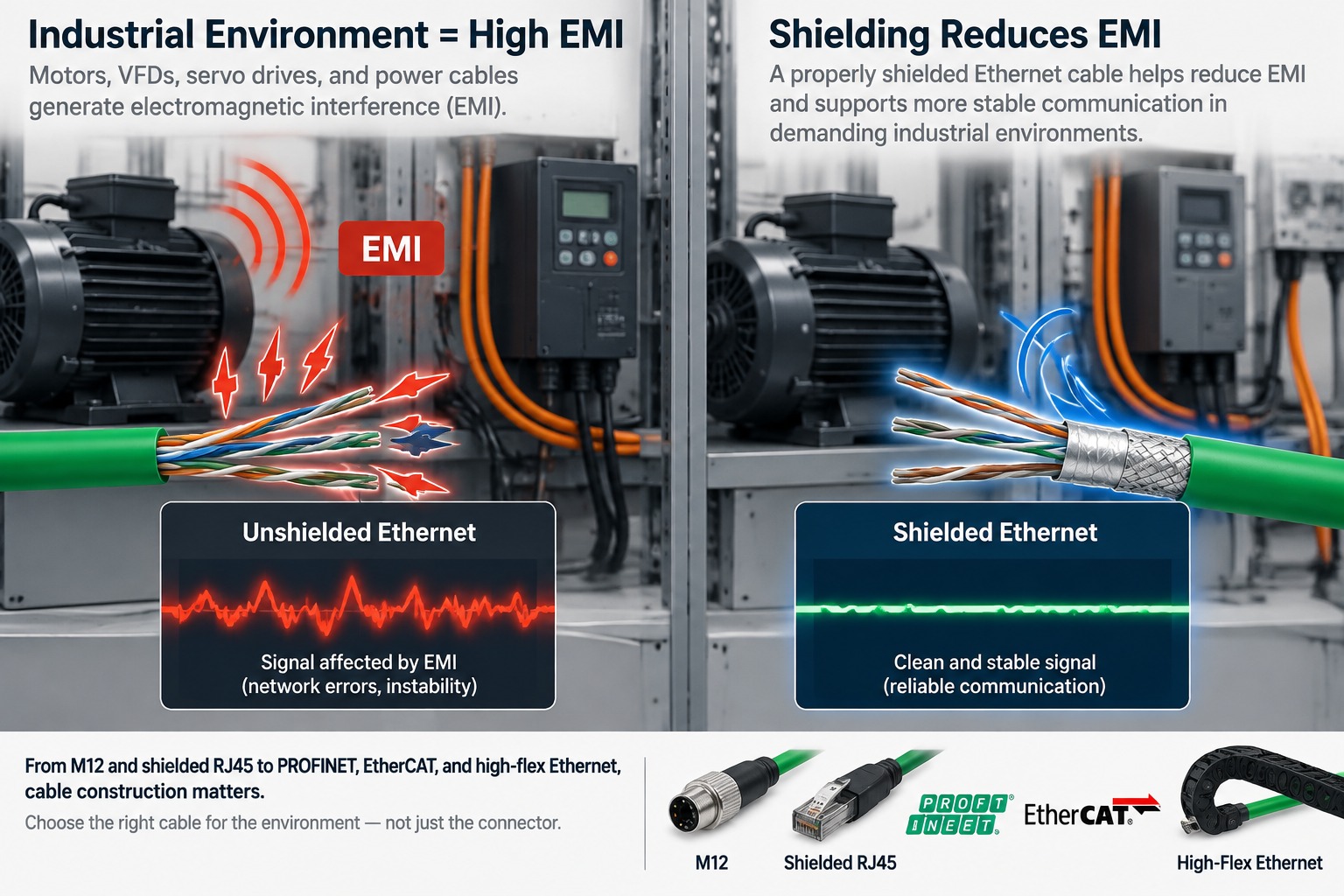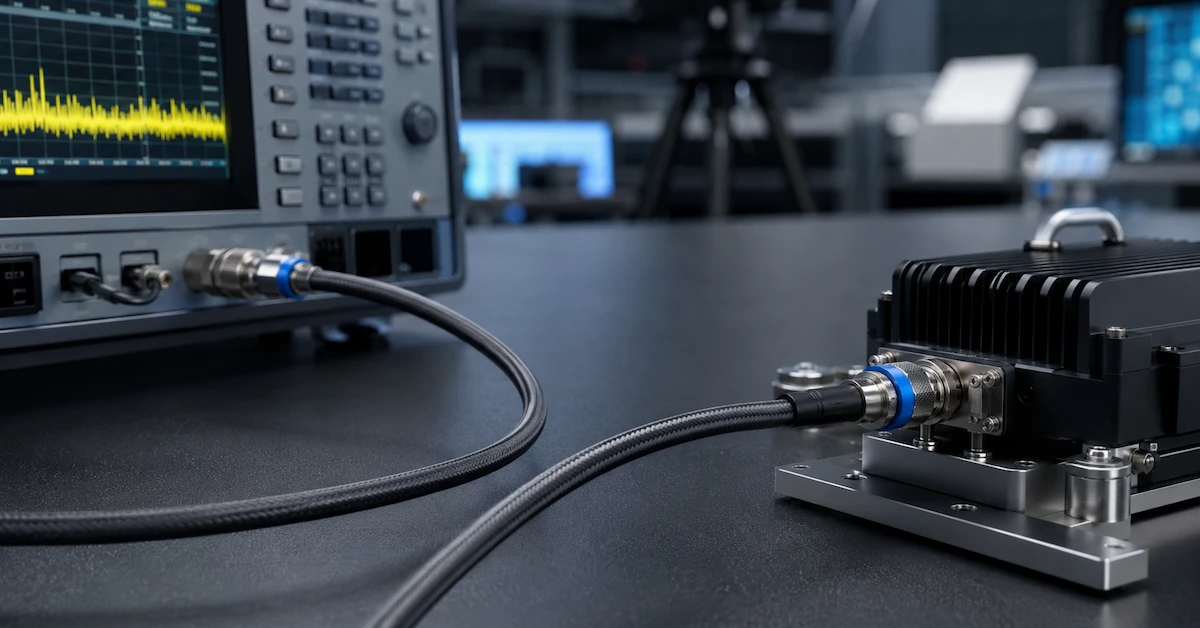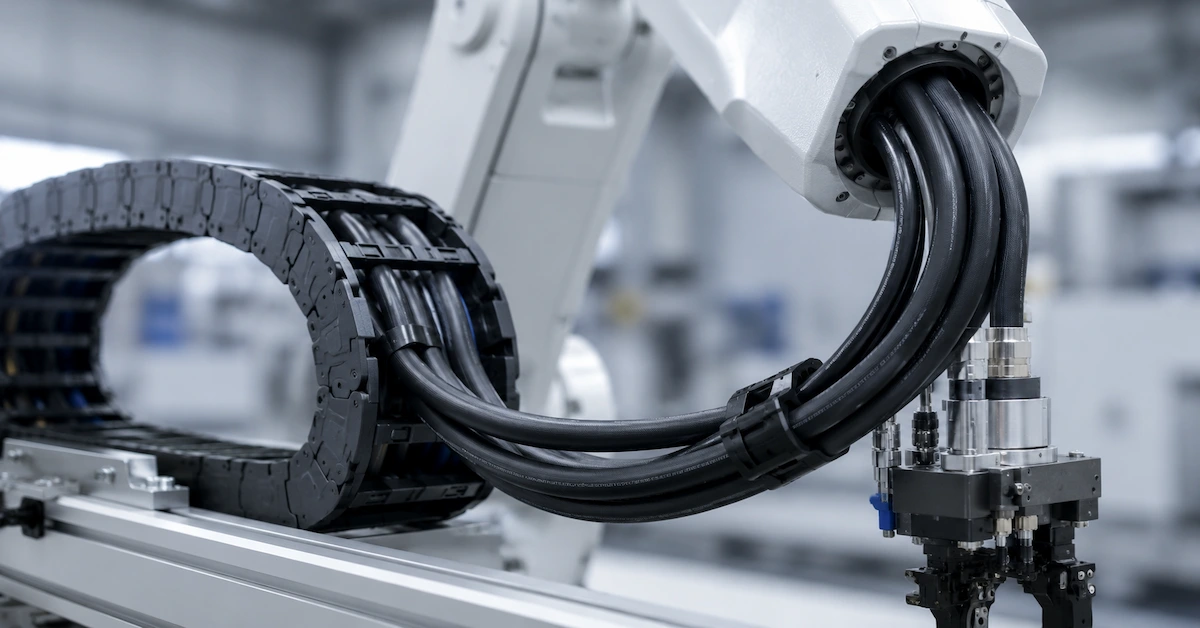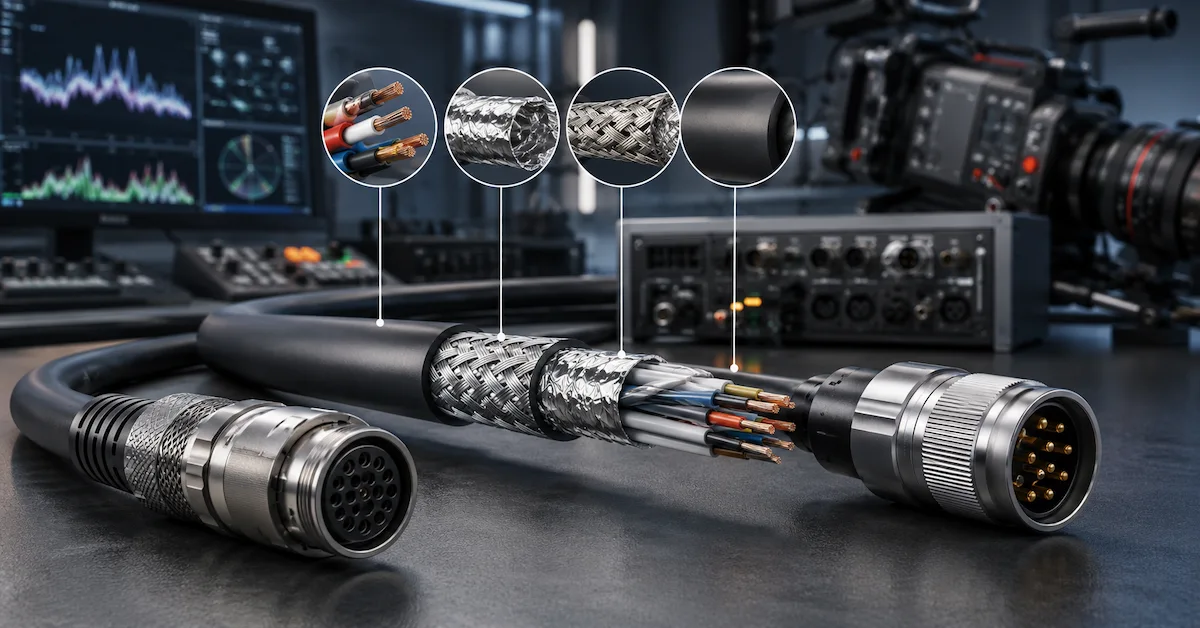
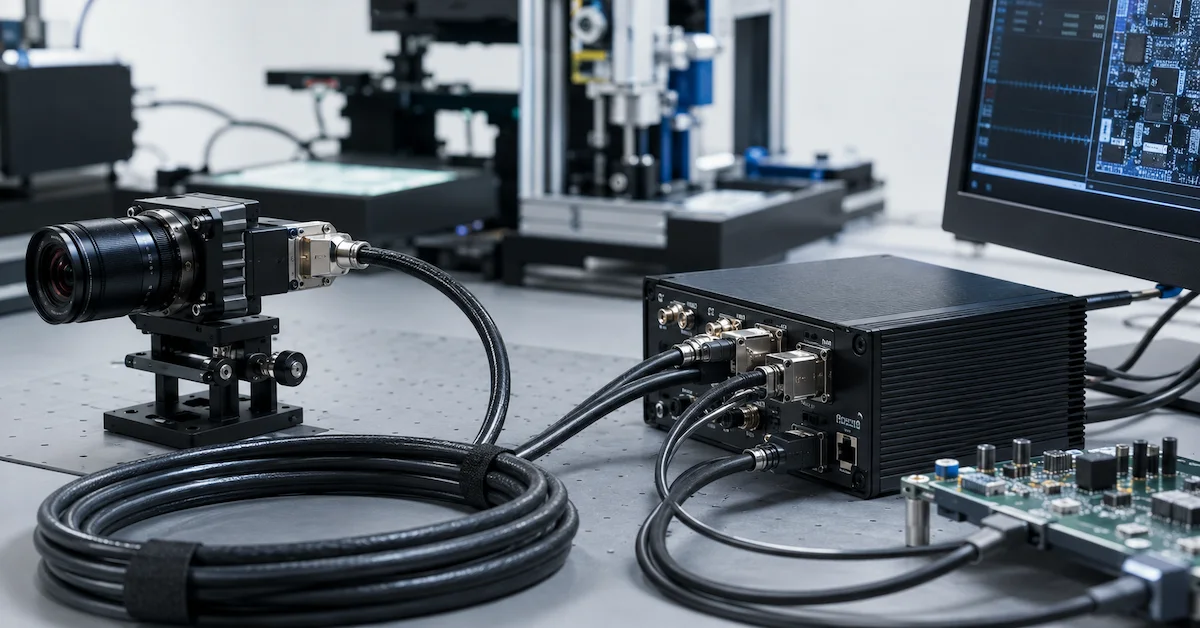
A high speed signal cable is designed to transmit large amounts of data, video, control signals, and high-frequency information while maintaining signal integrity. In professional equipment such as machine vision systems, industrial automation, cameras, communication devices, test instruments, and OEM electronics, cable performance directly affects system speed, accuracy, and reliability.
For B2B buyers, selecting a high speed signal cable is not only about choosing a cable with higher bandwidth. The complete cable design, including conductor structure, impedance control, shielding, connector compatibility, cable length, and assembly quality, determines whether the system can achieve stable high-speed transmission.
A poor-quality cable may cause signal loss, communication errors, image instability, data interruption, or reduced equipment performance. A properly designed high speed signal cable assembly helps maintain reliable data transfer in demanding applications.
What Is a High Speed Signal Cable?
A high speed signal cable is a cable assembly optimized for transmitting digital signals, high-frequency data, video signals, or control information at higher transmission rates.
Compared with standard signal cables, high speed signal cables focus on:
- Higher bandwidth capability
- Lower signal attenuation
- Better impedance control
- Improved shielding performance
- Reduced electromagnetic interference
- Stable connector performance
- Reliable long-distance transmission
Common applications include:
- Industrial cameras
- Machine vision systems
- High-speed sensors
- Data acquisition equipment
- Communication systems
- Professional video equipment
- Test and measurement devices
- OEM electronic systems
Where Are High Speed Signal Cables Used?
| Application | Cable Requirement | Buyer Concern |
|---|---|---|
| Machine vision systems | High-speed image data transmission | Image delay and signal stability |
| Industrial automation | Fast controller and sensor communication | Communication reliability |
| Professional cameras | Video and control signal transmission | Data integrity and interference |
| Test instruments | Accurate measurement signals | Signal accuracy |
| Communication equipment | High-speed data transfer | Attenuation and loss |
| Robotics | Fast sensor and control feedback | Real-time response |
| OEM electronics | Custom signal integration | Compatibility and consistency |
A reliable high speed signal cable should be selected based on data requirements, transmission distance, and environmental conditions.
Why High Speed Signal Cable Performance Matters
1. Maintaining Signal Integrity
Signal integrity is one of the most important factors in high-speed transmission. As data rates increase, even small losses or interference can affect system performance.
Important factors include:
- Conductor quality
- Impedance consistency
- Dielectric material
- Shielding structure
- Connector quality
- Cable length
- Assembly accuracy
A well-designed cable helps maintain the original signal quality from one device to another.
2. Reducing Signal Loss
High-speed signals are more sensitive to attenuation. Longer cables, poor materials, and unsuitable structures may reduce transmission performance.
A high speed