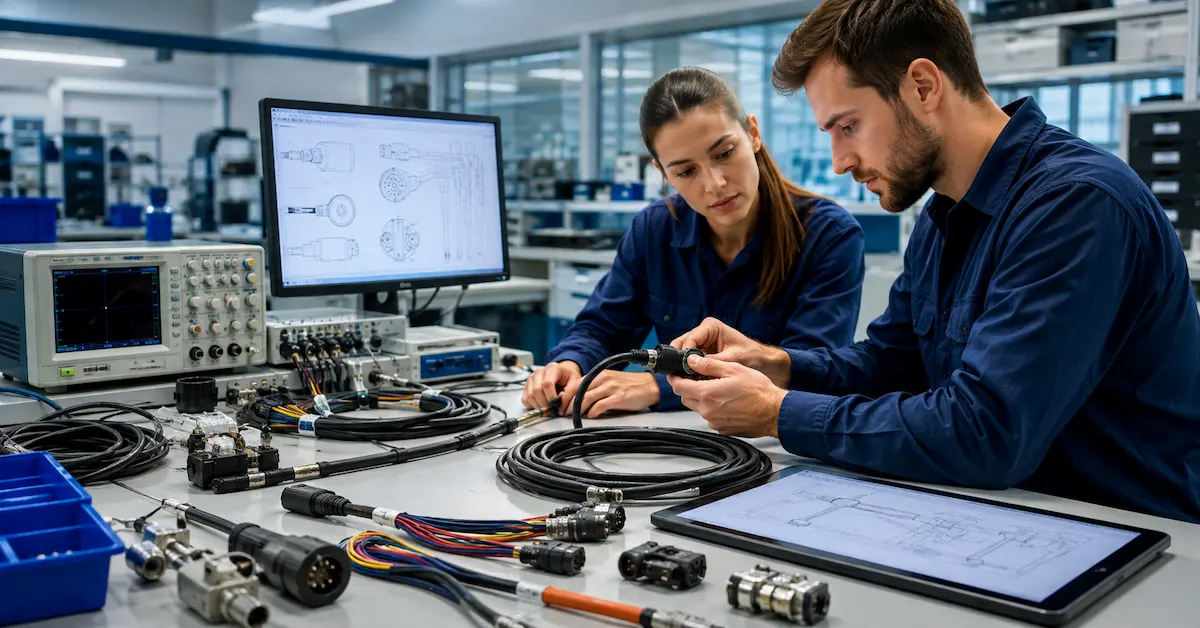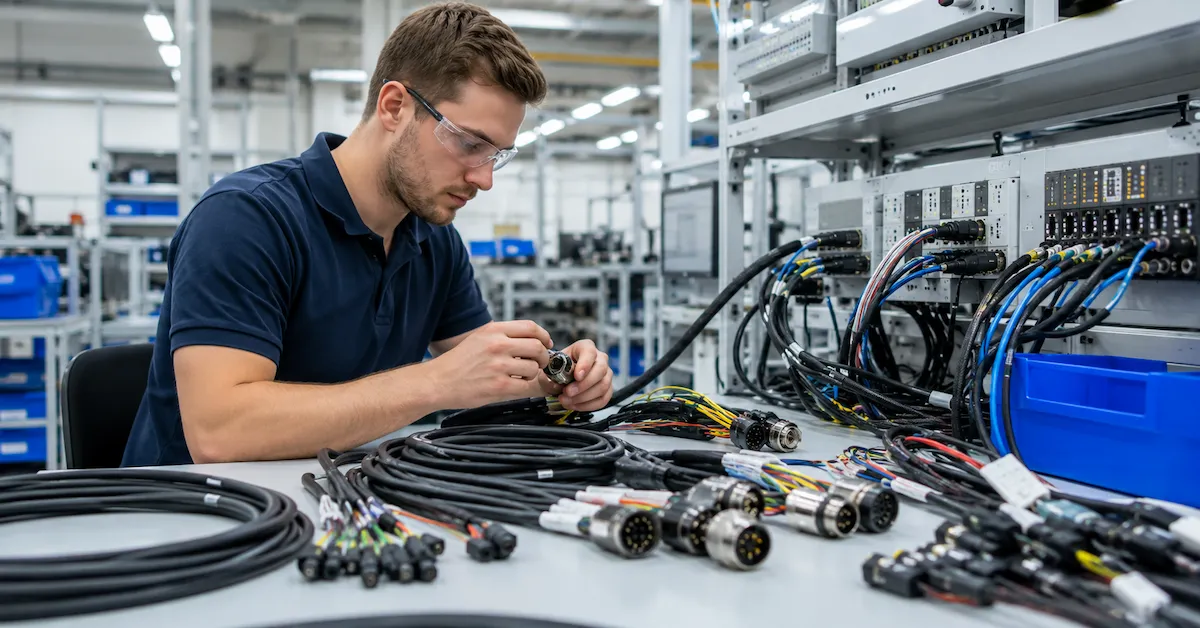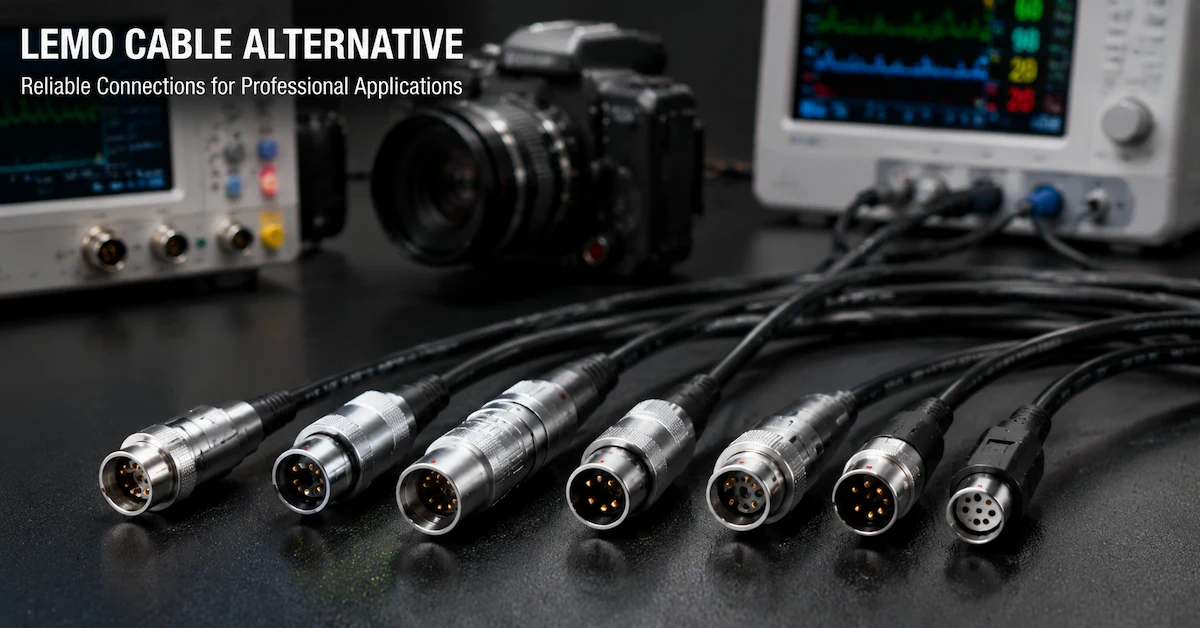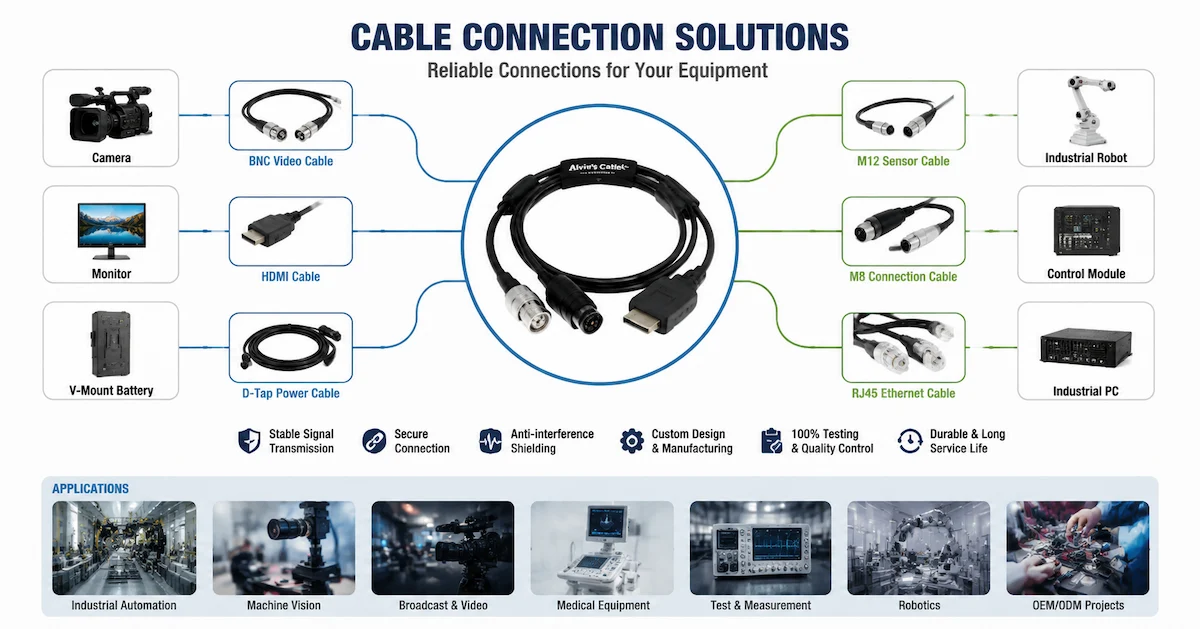
Modern medical devices rely heavily on precise electrical signal transmission. Equipment such as patient monitors, imaging systems, and diagnostic tools require uninterrupted and interference-free connections. However, traditional wiring solutions often face challenges such as electromagnetic interference, mechanical fatigue, and strict regulatory compliance requirements in healthcare environments. These issues can directly impact device accuracy and patient safety.
For a better understanding of our engineering capabilities and manufacturing background, you can visit our About Us page.
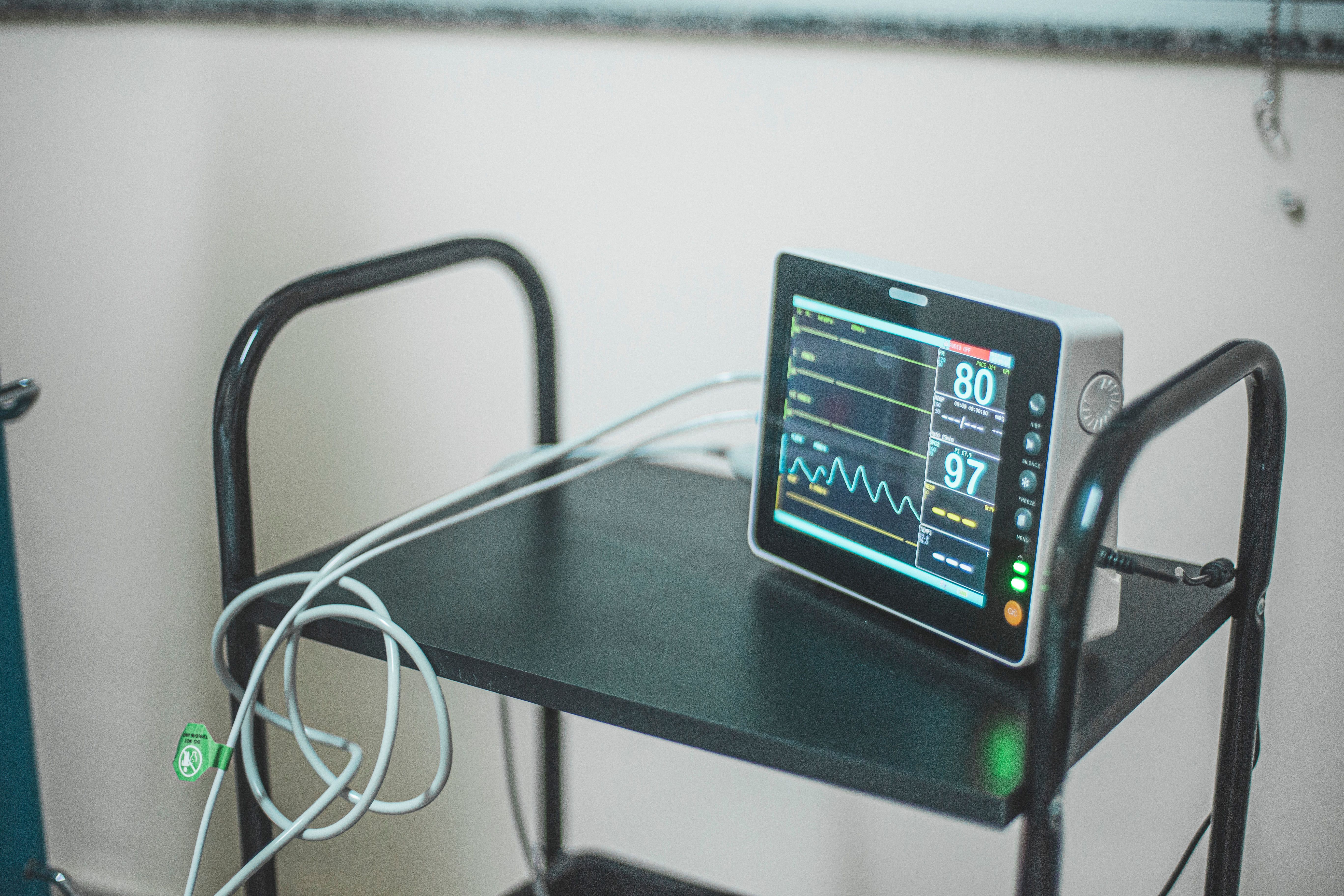
How Medical Cable Assemblies Are Engineered
A medical cable assembly is designed with high-precision materials, shielding layers, and biocompatible insulation to ensure safe and stable signal transmission. These assemblies often use low-noise conductors, multi-layer shielding, and flexible outer jackets that comply with medical safety standards.
You can explore our broader product engineering structure here:
Products Overview
Medical Cable Assembly vs Standard Industrial Cables
Unlike industrial cables, medical-grade cable assemblies must meet stricter requirements such as enhanced shielding, sterilization resistance, and regulatory compliance.
These engineered solutions are part of our customized system design capability, which you can learn more about in our
Why Alvin’s Cables section.
Engineering the Right Medical Cable Solution
Selecting the right medical cable assembly requires evaluating device type, signal sensitivity, and sterilization conditions. Custom solutions are often necessary to ensure compatibility with MRI systems, ultrasound machines, and surgical instruments.
If you need a tailored solution, feel free to reach out via our
Contact Us page for technical consultation.
Key Advantages of Medical Cable Assemblies
Medical cable assemblies provide several critical benefits in healthcare systems:
- Stable and interference-free signal transmission
- High durability under sterilization cycles
- Improved patient safety through reliable connectivity
- Compliance with medical industry standards
These advantages make them essential components in modern medical ecosystems.
For more application-based solutions, explore our Our Products section
Application Scenarios
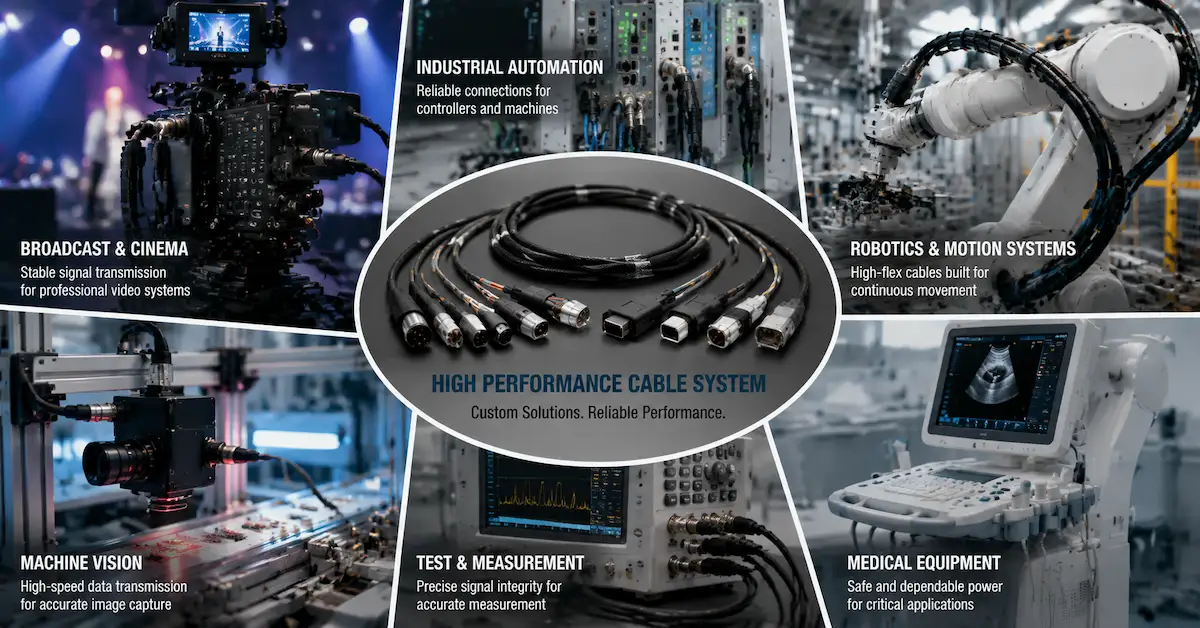
Medical cable assemblies are widely used in:
- Patient monitoring systems
- Diagnostic imaging equipment (MRI, CT, ultrasound)
- Surgical instruments
- Portable medical devices
- Laboratory testing systems
Each application requires precise engineering to ensure safety and performance consistency.
Selection Tips for Medical Applications
When choosing a medical cable assembly, consider certification requirements, sterilization conditions, and signal integrity. Working with an experienced manufacturer ensures compliance and long-term reliability.
FAQ
Q1: What is a medical cable assembly?
A medical cable assembly is a specialized wiring system designed for safe and accurate signal transmission in medical devices.
Q2: Where are medical cable assemblies used?
They are used in diagnostic, monitoring, and surgical equipment.
Q3: Can medical cable assemblies be customized?
Yes, they can be tailored based on device requirements and regulatory standards.
Q4: What materials are used?
Biocompatible insulation, shielded conductors, and high-flex materials are commonly used.
Q5: Why is shielding important in medical cables?
It prevents electromagnetic interference that could affect diagnostic accuracy.
Conclusion
Medical cable assemblies ensure safe, stable, and high-precision connectivity in critical healthcare systems. By adopting engineered solutions designed for medical environments, manufacturers can improve reliability and patient safety. For customized solutions, contact Alvin’s Cables to explore tailored medical cable assembly options.Contact our team