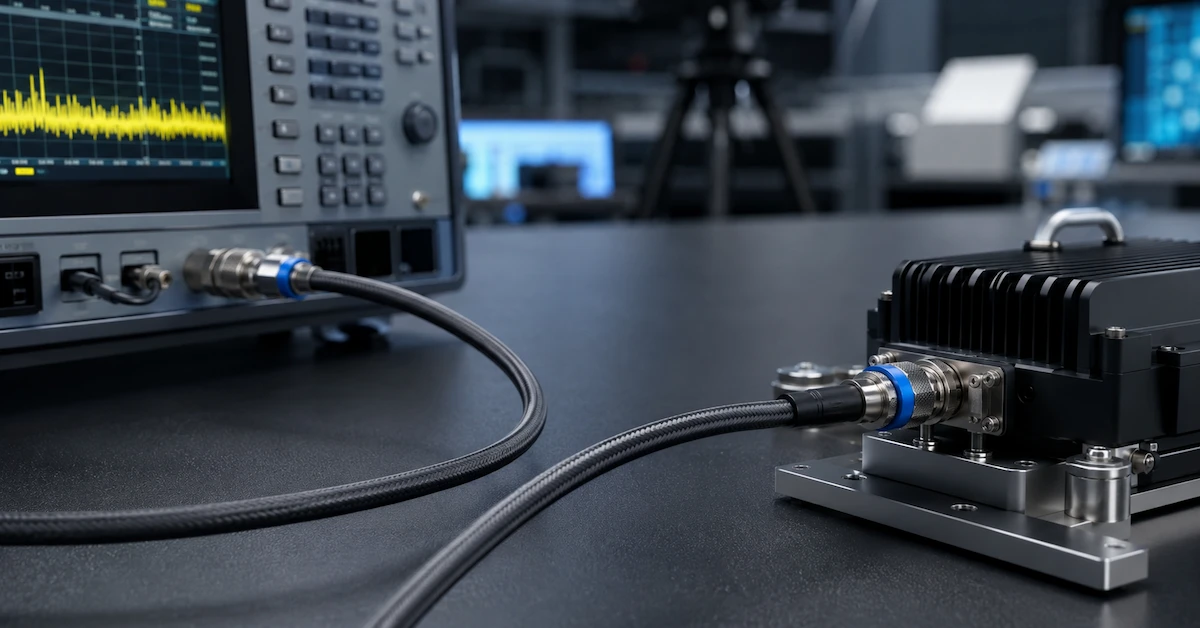
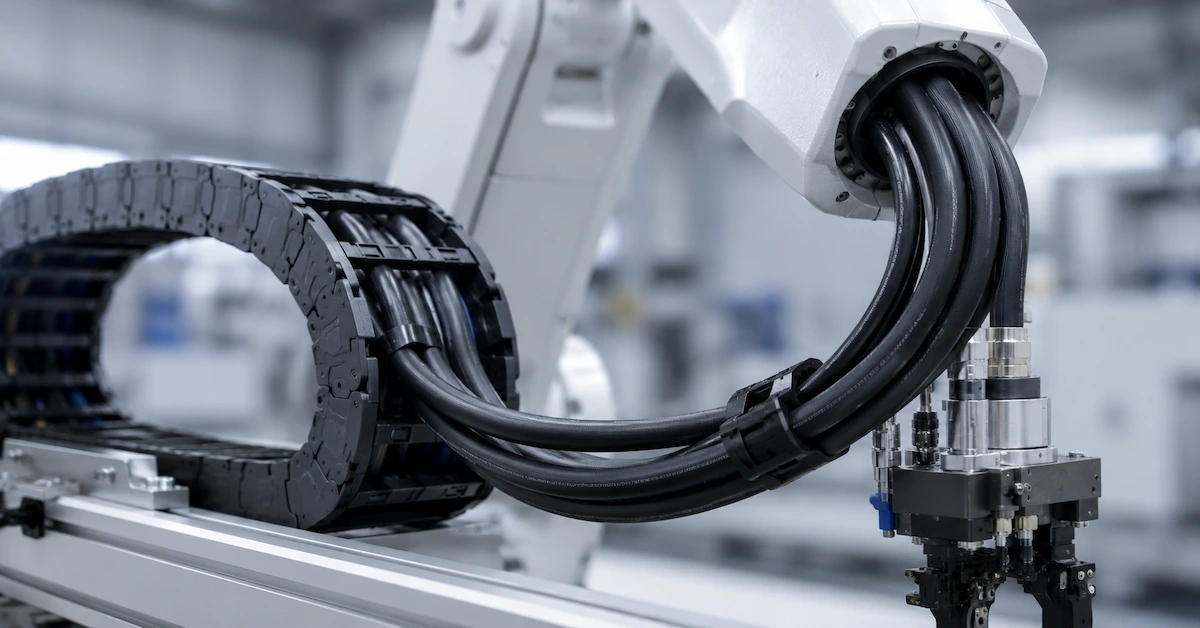
In complex equipment environments, cables are often treated as secondary components—until they fail. Inconsistent cable quality, delayed deliveries, or poor assembly standards can quickly lead to signal instability, system downtime, and increased maintenance costs. For manufacturers and system integrators, these issues are not minor inconveniences; they directly impact production schedules and project delivery.
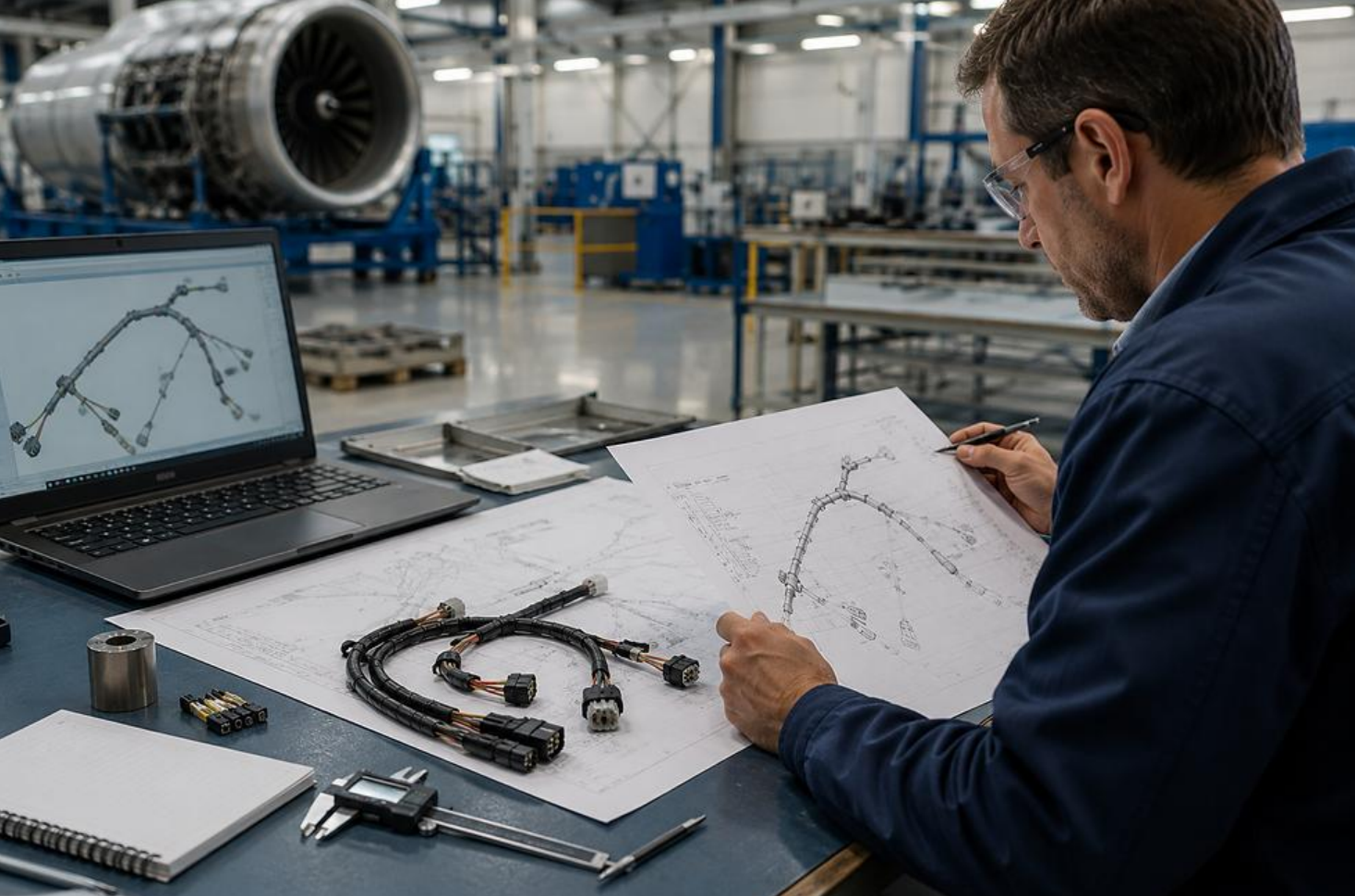
A professional cable assembly supplier plays a critical role in preventing these risks. By combining engineering expertise with stable manufacturing processes, the right supplier ensures that cable assemblies are not only compatible but also reliable across different operating conditions.
Material Selection and Assembly Standards That Define Performance
The reliability of a cable assembly begins with its materials and construction methods. High-quality copper conductors ensure consistent electrical performance, while proper insulation materials protect against environmental stress and wear.
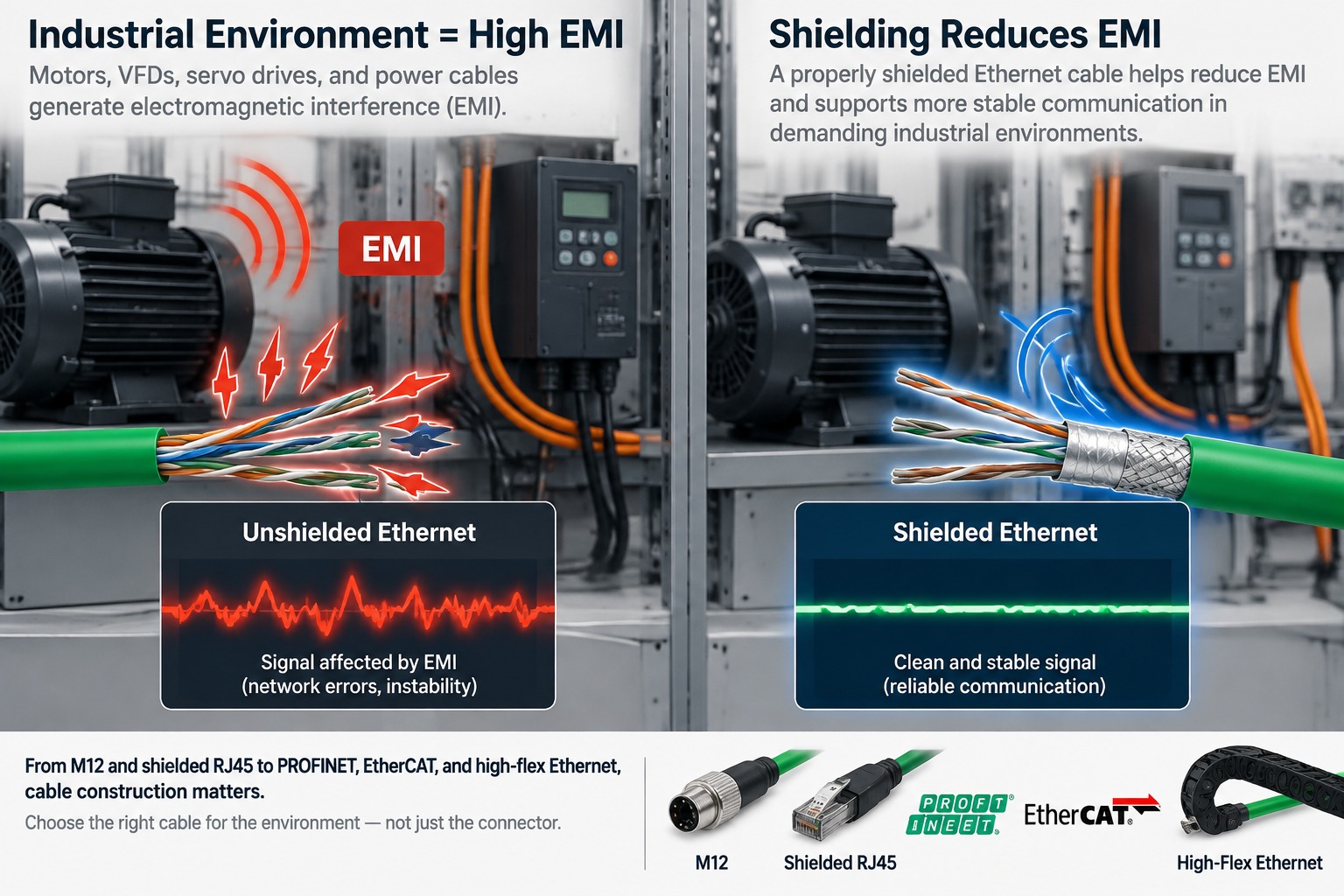
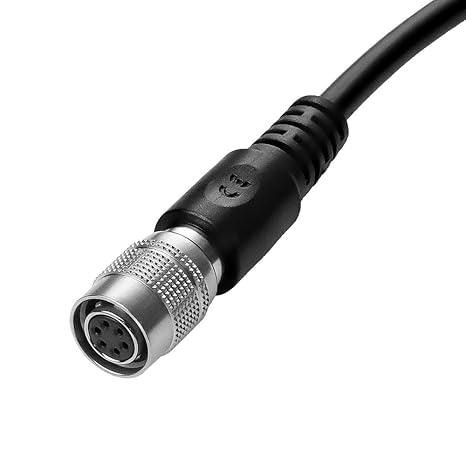
In addition, shielding structures are carefully designed to minimize electromagnetic interference (EMI), which is essential in industrial and high-frequency applications. Connectors must also be precisely assembled to maintain secure connections over repeated use.
A trusted cable assembly supplier integrates strict assembly standards into production, including:
- Controlled soldering and crimping processes
- Multi-layer shielding configurations
- Durable outer jackets for flexibility and protection
- Connector locking mechanisms for stable connections
These factors directly influence the lifespan and performance of the final product.
Why Engineering Support Matters in Cable Assembly Supply
Many buyers focus only on pricing and availability, but in reality, engineering support is what differentiates a reliable supplier from a basic vendor.
An experienced cable assembly supplier provides:
- Design optimization based on application requirements
- Compatibility verification for connectors and interfaces
- Signal and power performance evaluation
- Rapid prototyping for testing and validation
This engineering involvement helps reduce system-level risks and ensures that the cable assembly functions correctly within the entire setup.
Adapting Cable Assemblies to Different Application Environments
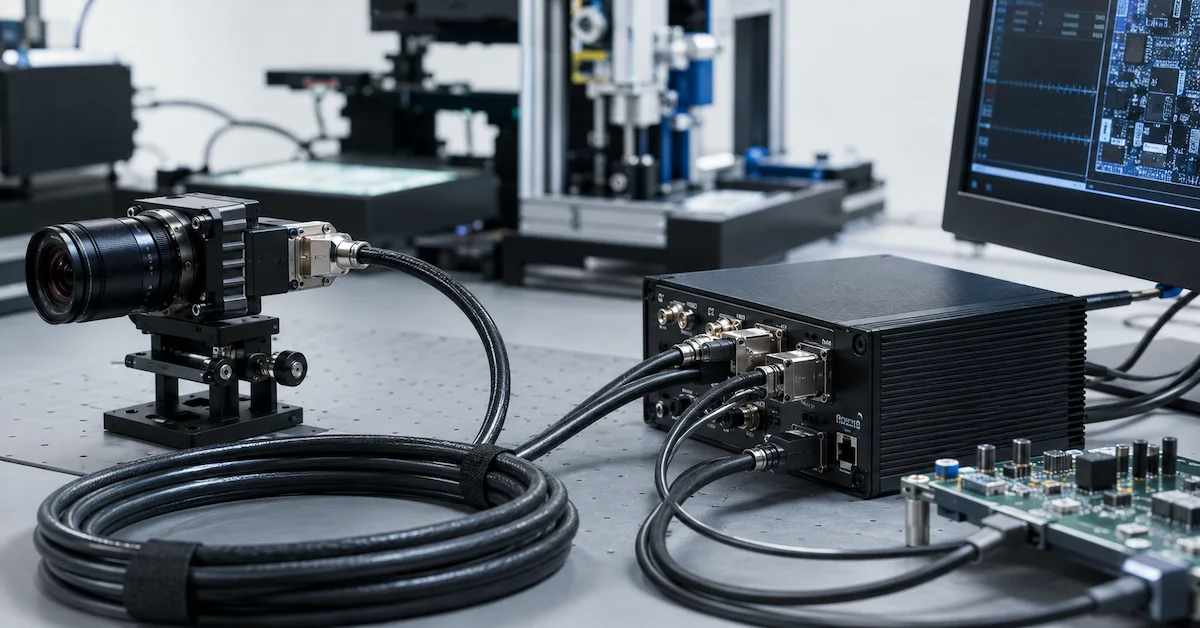
Cable assemblies are used across a wide range of industries, each with unique demands. In industrial automation, cables must withstand continuous operation and mechanical stress. In broadcast or film production, flexibility and signal stability are equally important. Outdoor applications introduce additional challenges such as temperature variation and physical exposure.
A qualified cable assembly supplier evaluates these conditions and adjusts design parameters accordingly:
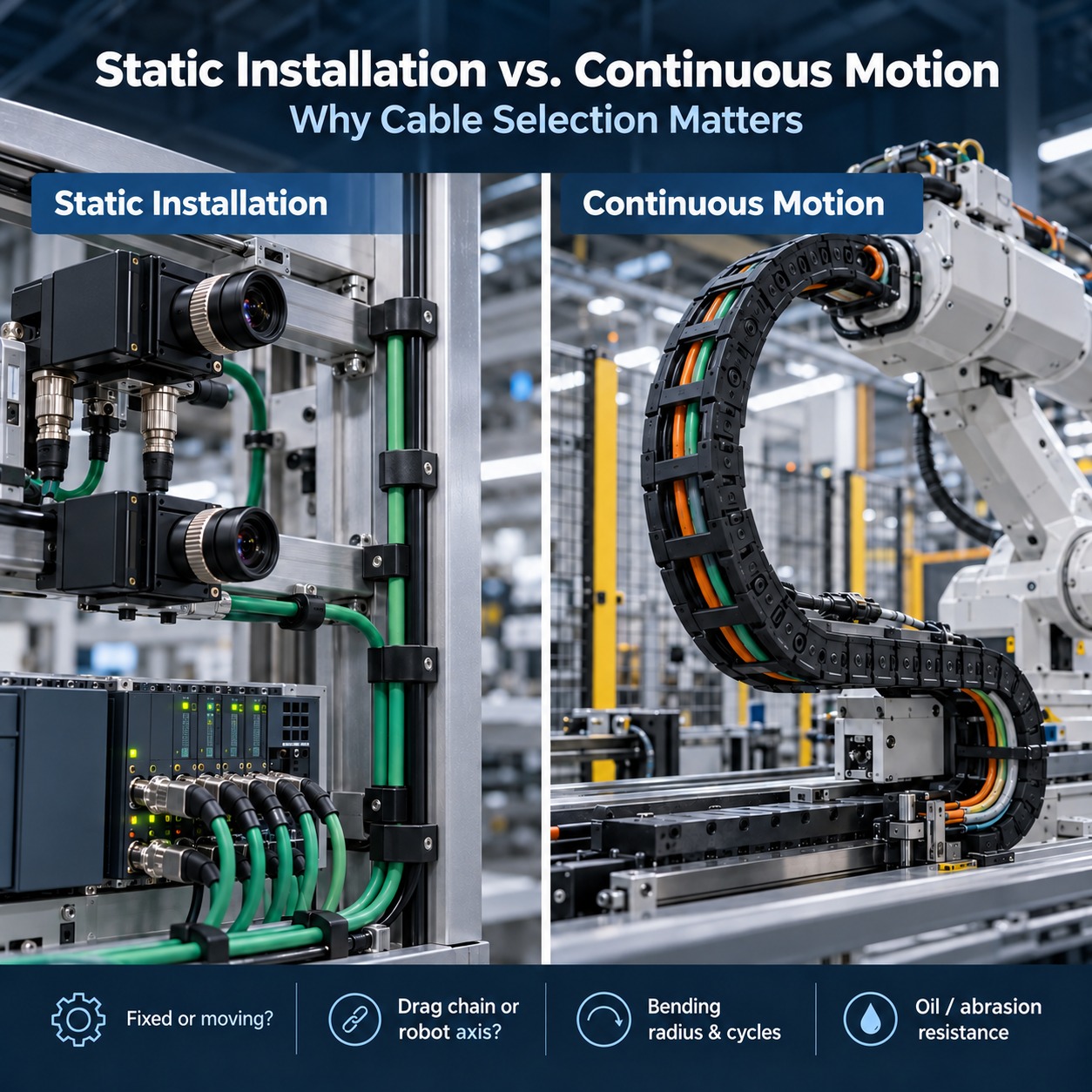
- Flexibility for dynamic movement
- Durability for long-term operation
- Environmental resistance for harsh conditions
- Stable signal transmission under interference
This application-driven approach ensures that cable assemblies perform reliably in real-world scenarios.
Engineering Solutions for Integrated Cable Systems
In many projects, cable assemblies are not standalone components—they are part of larger integrated systems. Managing multiple cables, connectors, and devices requires careful planning and design.
A professional cable assembly supplier supports system integration by:
- Designing multi-connector assemblies to simplify installation
- Reducing connection points to minimize failure risks
- Optimizing cable routing for space-constrained environments
- Ensuring compatibility across different equipment interfaces
These solutions are particularly valuable in complex systems such as automation lines, broadcast setups, and multi-device installations.
Example: Improving Production Efficiency in an Automation Project
An automation equipment manufacturer experienced recurring downtime due to cable failures in their production line. Standard cable assemblies could not withstand continuous bending and mechanical stress, leading to frequent replacements.
After evaluating the system, a customized solution was implemented:
- High-flex cable structures increased bending lifespan
- Reinforced connectors improved mechanical stability
- Optimized shielding reduced interference from nearby equipment
The result was a significant reduction in downtime and maintenance costs. This example shows how working with a reliable cable assembly supplier can directly improve operational efficiency.
Performance Comparison: Standard vs Engineered Cable Assemblies
| Parameter | Standard Assembly | Engineered Assembly |
|---|---|---|
| Durability | Moderate | High |
| Signal Stability | Variable | Consistent |
| Compatibility | Limited | Fully Customized |
| Maintenance Frequency | Higher | Lower |
| Lifecycle Cost | Higher | Lower |
Scalable Supply Solutions for B2B and OEM Projects
For B2B customers, supply stability is just as important as product performance. A professional cable assembly supplier must support both small-scale customization and large-scale production.
Typical TO B solutions include:
- OEM/ODM cable assembly for brand owners
- Flexible production volumes from prototype to mass production
- Consistent batch quality to ensure system reliability
- Long-term supply agreements for ongoing projects
This combination of engineering and supply chain capability allows businesses to scale operations without compromising quality.
Frequently Asked Questions
Q: What should I look for in a cable assembly supplier?
A: Focus on engineering capability, quality control processes, and the ability to provide consistent supply over time.
Q: Can cable assemblies be customized for specific applications?
A: Yes, customization includes connector types, cable length, shielding, and material selection based on application needs.
Q: How does a reliable supplier reduce overall costs?
A: By improving durability and reducing failure rates, maintenance and replacement costs are significantly lowered.
Building Long-Term Reliability with the Right Supply Partner
In complex systems, cable assemblies are not just components—they are essential to system stability and performance. Choosing the right cable assembly supplier helps ensure that your equipment operates efficiently, reliably, and consistently over time.
To learn more about our cable assembly capabilities and engineering solutions, visit our homepage:
https://www.alvinscables.com/
If you have specific project requirements or need technical support, feel free to contact our team directly:
https://www.alvinscables.com/contact-us
Reliable supply starts with the right partner—and the right cable assembly design.