In today’s competitive industries, product development timelines are becoming shorter, and delays can lead to missed market opportunities. Traditional manufacturing processes often require long lead times, making it difficult to test and refine designs quickly.
When developing new equipment or systems, waiting weeks for cable samples can slow down the entire project. This is where rapid cable prototyping becomes essential, allowing businesses to quickly produce and test cable designs before moving to full-scale production.
Materials and Processes in Rapid Prototyping
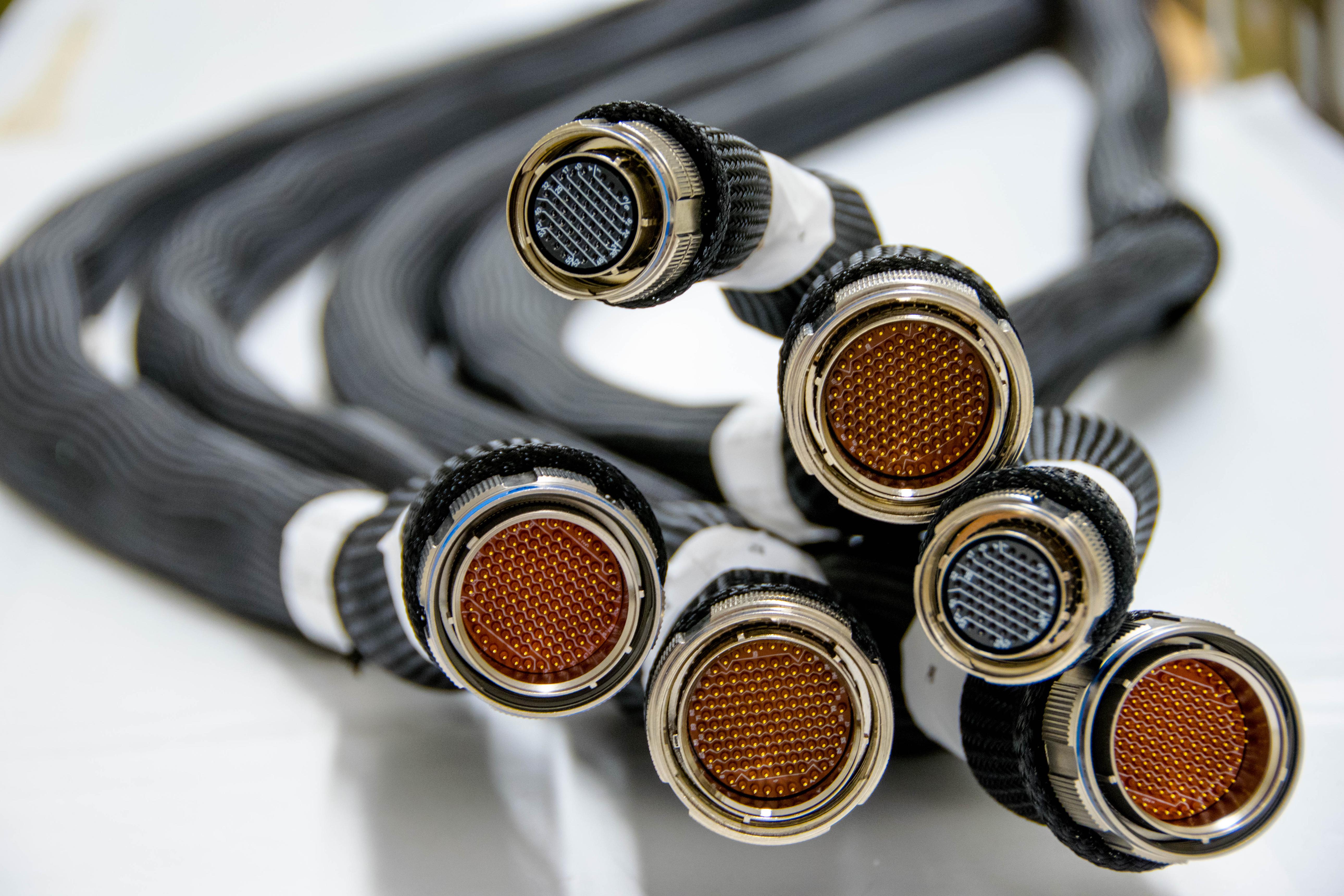
Even in fast production cycles, quality cannot be compromised. Rapid prototyping must use reliable materials and controlled processes to ensure that test samples accurately reflect final production performance.
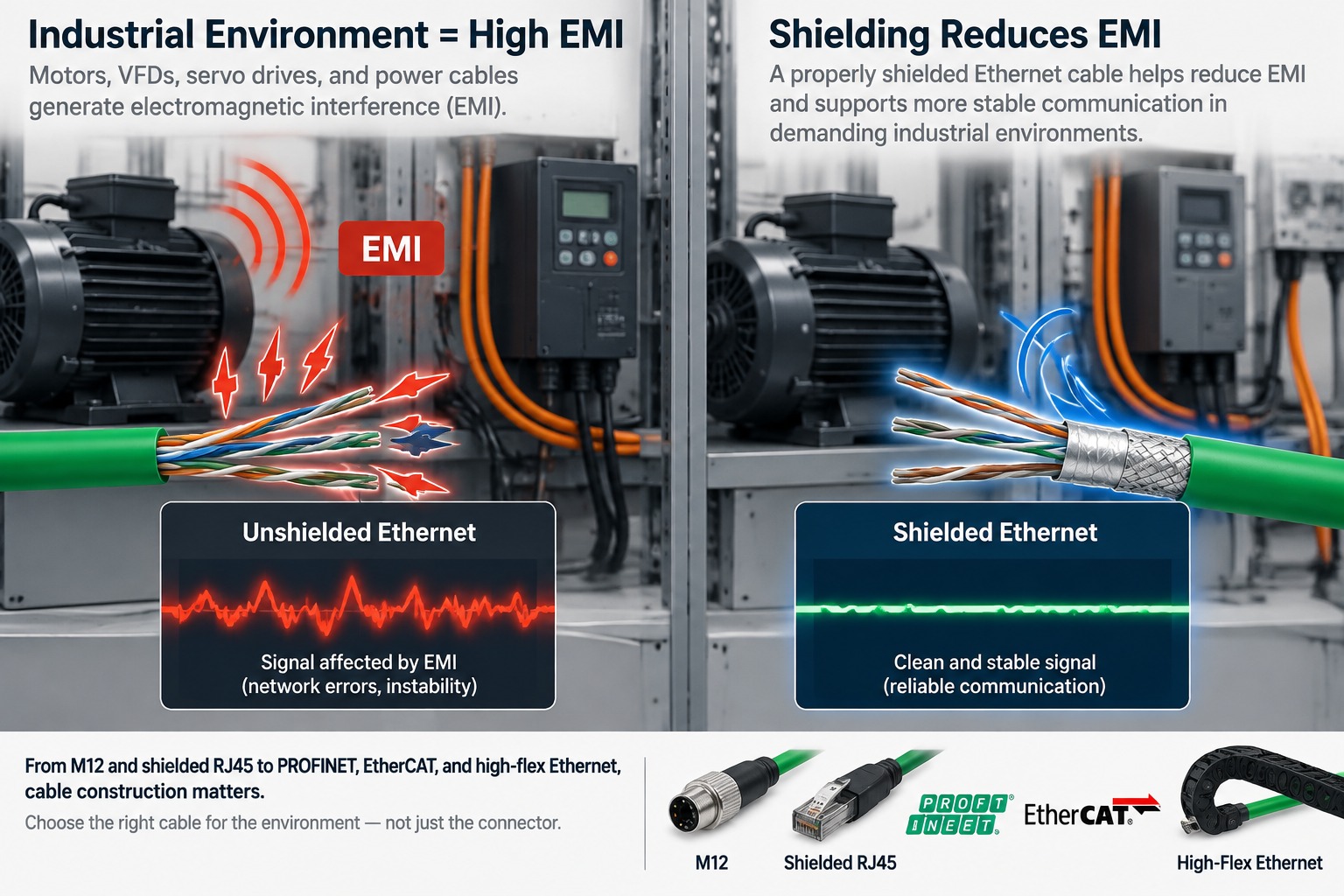
High-quality conductors, proper insulation materials, and effective shielding structures are all critical. Connector assembly must also be precise to ensure that prototypes function correctly in real applications.
A professional rapid cable prototyping service ensures:
- High-quality materials for accurate testing results
- Standardized assembly processes
- Reliable shielding and insulation structures
- Precision connector integration
These factors ensure that prototypes provide meaningful performance insights.
Engineering Support for Fast Iteration
Rapid prototyping is not just about speed—it is about enabling fast and effective design iteration. Without engineering support, quick production alone does not guarantee successful outcomes.
An experienced rapid cable prototyping provider offers:
- Application-specific design support
- Connector compatibility verification
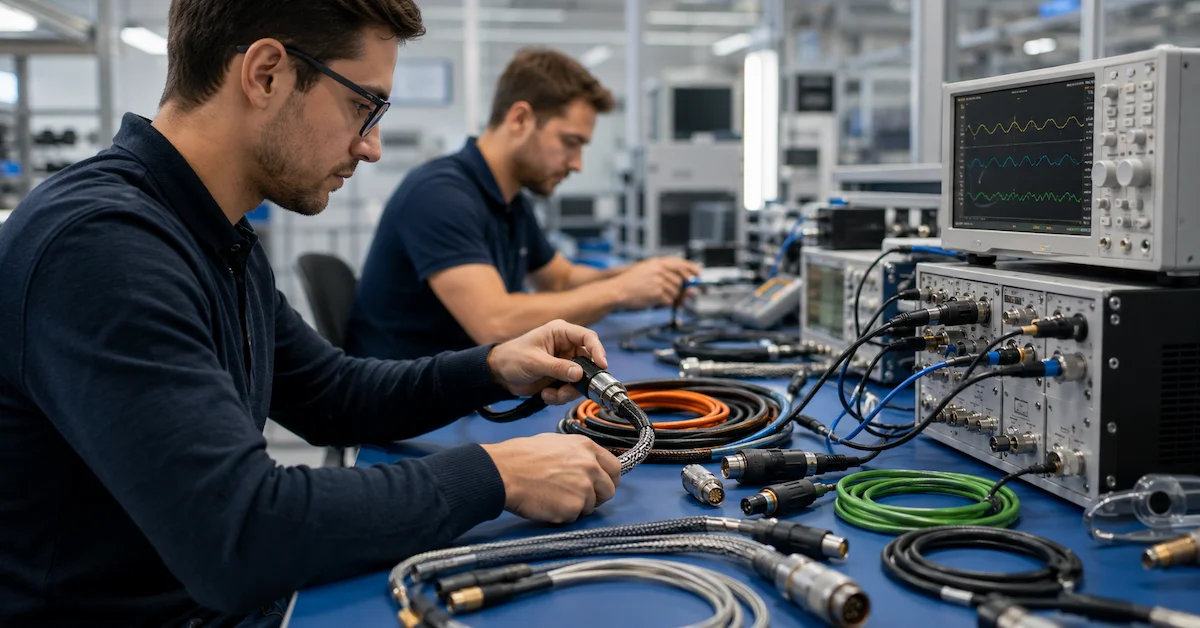
- Signal and power performance evaluation
- Fast iteration and design adjustments
This engineering-driven approach allows businesses to refine their designs efficiently.
Adapting Prototypes to Real Application Conditions
Prototypes must reflect real-world conditions to be effective. Testing in ideal environments is not enough—cables must perform under actual operating conditions.
A reliable rapid cable prototyping process considers:
- Mechanical stress and movement conditions
- Environmental exposure (temperature, humidity, etc.)
- Signal and power requirements
- Installation constraints
By simulating real conditions, prototypes can provide accurate validation results.
Integrated Prototyping for Complex Systems
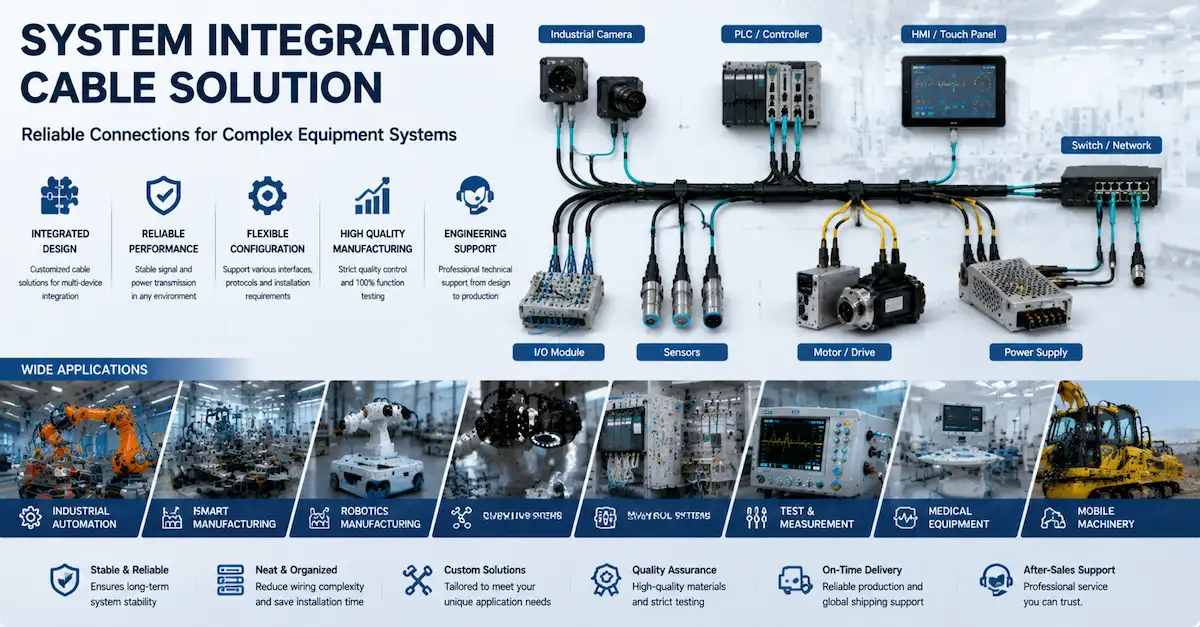
In many projects, cables are part of a larger system involving multiple components. Rapid prototyping must support system integration to ensure compatibility and performance.
A professional rapid cable prototyping solution includes:
- Multi-connector prototype assemblies
- Support for system-level integration testing
- Design adjustments based on testing feedback
- Preparation for transition to mass production
These capabilities help ensure that prototypes lead to successful final products.
Example: Reducing Development Time in a New Product Project
A product development team needed a custom cable solution for a new device. Traditional suppliers required long lead times for sample production, delaying the project.
By using rapid prototyping:
- Prototype cables were produced quickly for testing
- Design adjustments were implemented within short cycles
- Final specifications were validated faster
This approach significantly reduced development time and improved product readiness, demonstrating the value of rapid cable prototyping.
Performance Comparison: Traditional vs Rapid Prototyping
| Parameter | Traditional Process | Rapid Prototyping |
|---|---|---|
| Lead Time | Long | Short |
| Design Iteration Speed | Slow | Fast |
| Flexibility | Limited | High |
| Testing Efficiency | Low | High |
| Time to Market | Delayed | Accelerated |
Scalable Solutions for B2B and OEM Projects
For B2B customers, rapid prototyping is often the first step toward large-scale production. A professional rapid cable prototyping provider ensures that designs can transition smoothly from prototype to manufacturing.
Typical TO B solutions include:
- Prototype cable development for product testing
- Small batch production for validation
- Flexible scaling to mass production
- Engineering collaboration for continuous optimization
These capabilities allow businesses to innovate quickly while maintaining quality.
Frequently Asked Questions
Q: What is rapid cable prototyping?
A: It is the fast production of cable samples for testing, validation, and design refinement.
Q: When should I use rapid prototyping?
A: When developing new products, testing designs, or needing fast iteration cycles.
Q: Can prototypes be used for final production?
A: Prototypes are primarily for testing, but they help define specifications for mass production.
Accelerate Innovation with Rapid Cable Prototyping
Rapid prototyping enables businesses to move faster from concept to production. By working with a professional rapid cable prototyping provider, companies can reduce risks, improve designs, and accelerate time-to-market.
To explore our rapid prototyping capabilities, visit our homepage:
https://www.alvinscables.com/
For project discussions or prototype inquiries, contact our team:
https://www.alvinscables.com/contact-us
Speed and precision are key to successful product development.