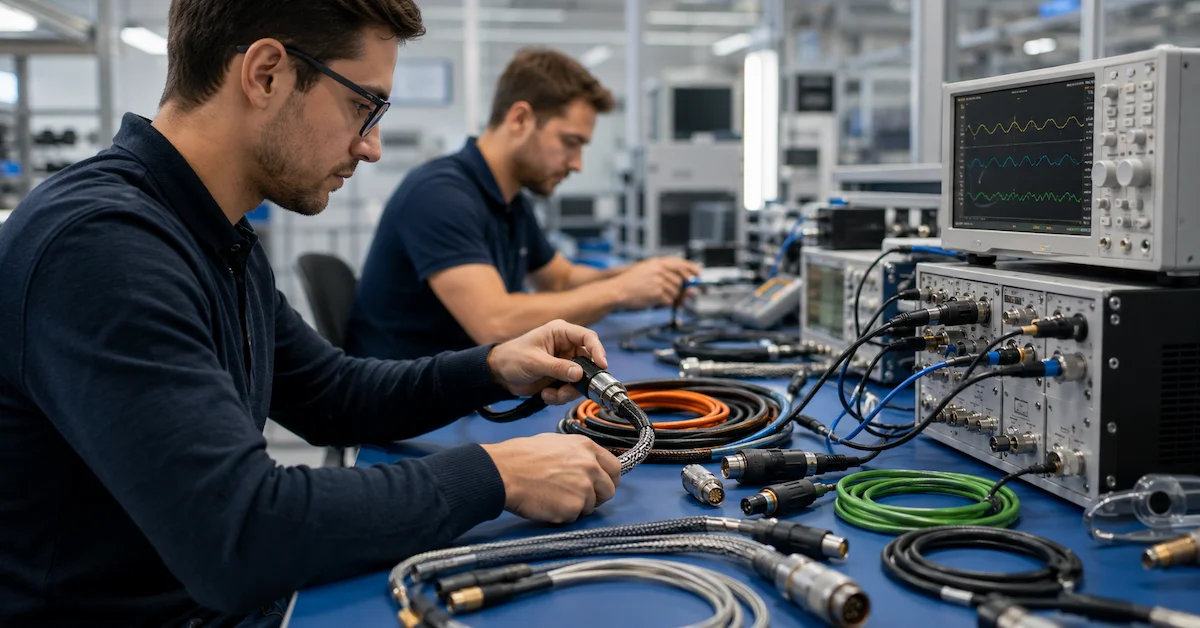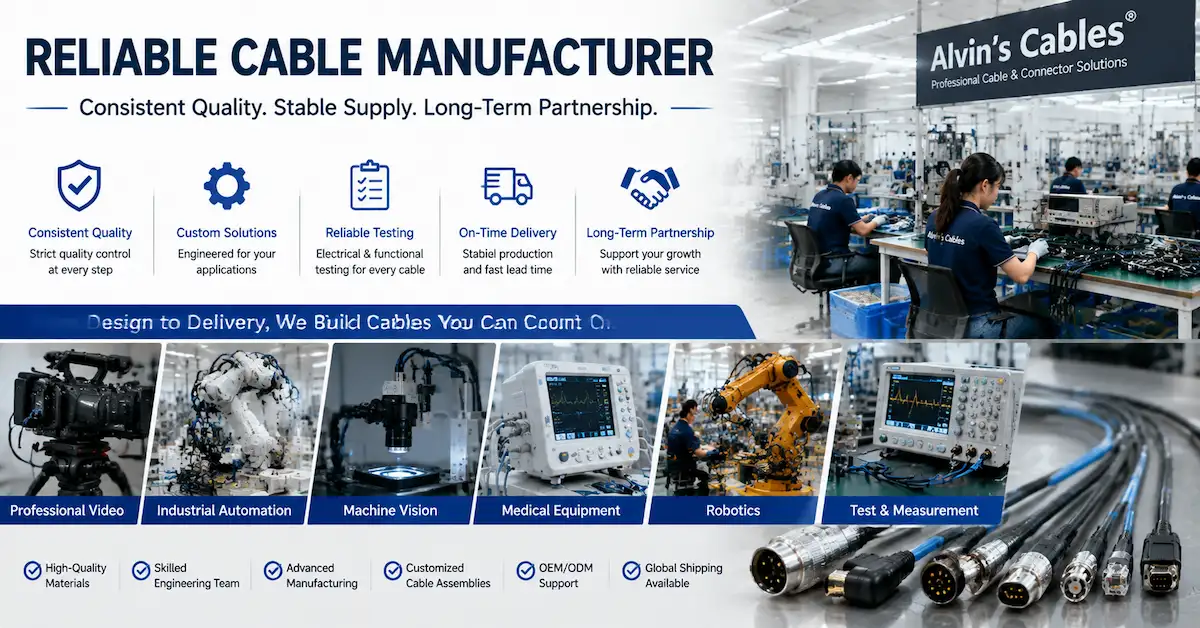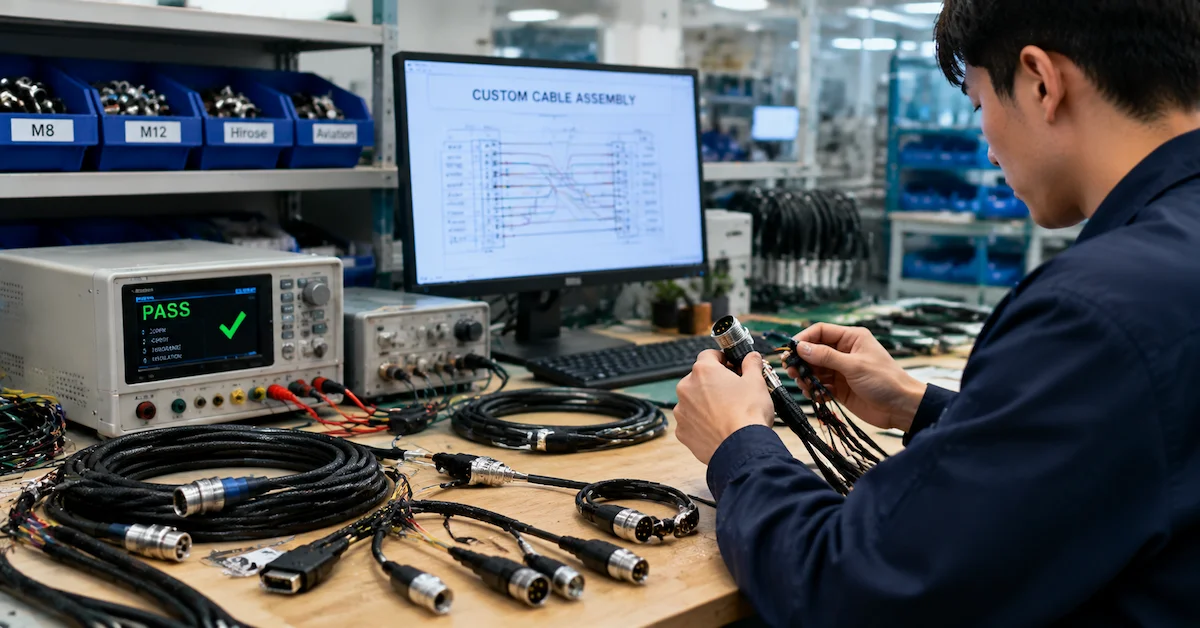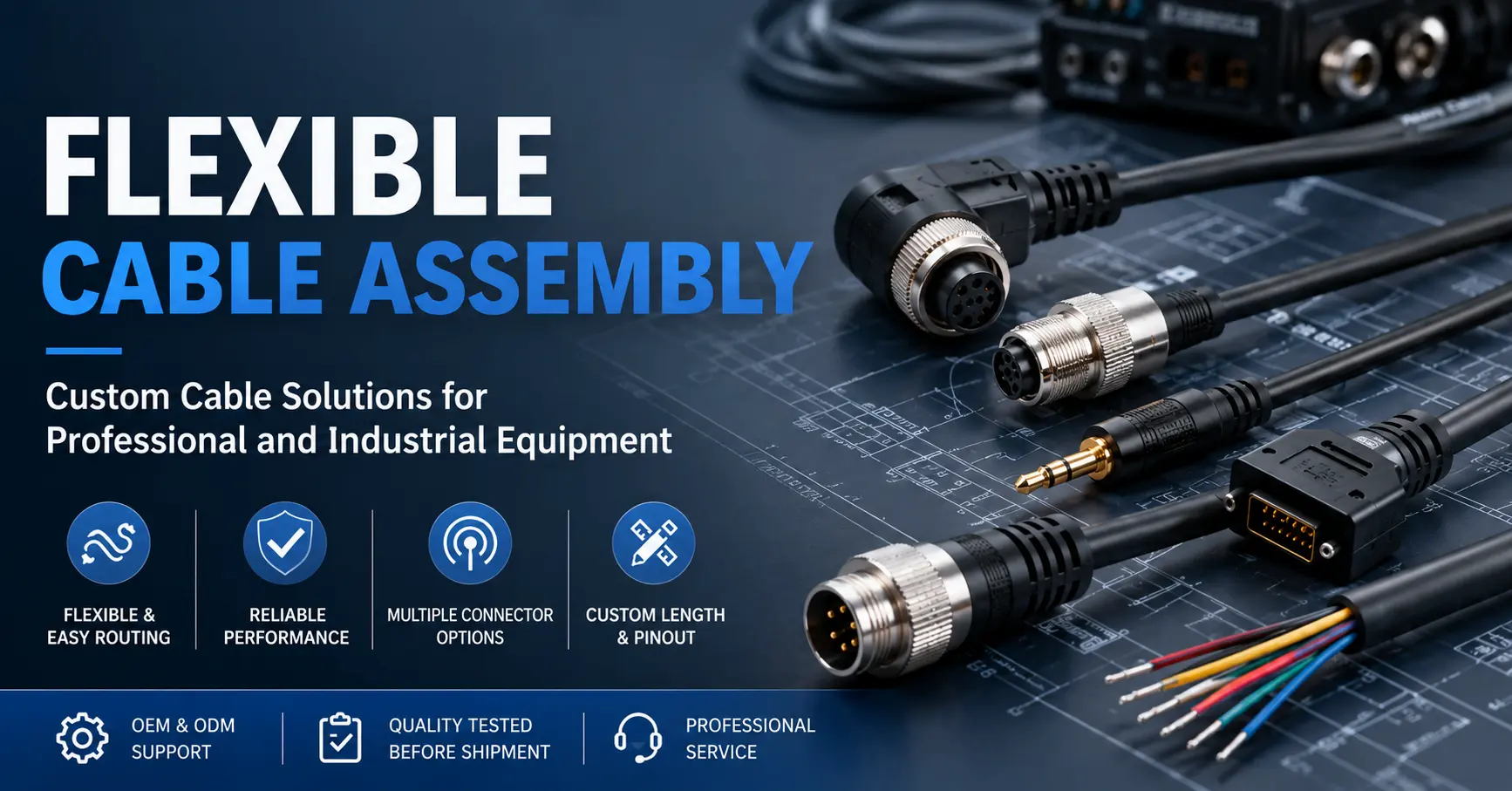
In professional film production, even minor signal interruptions can lead to costly delays and compromised output quality. Standard cables often fail under continuous movement, complex rig setups, and high data transmission demands. A reliable film equipment cable is designed to maintain stable signal and power delivery, ensuring smooth operation across cameras, monitors, and control systems in dynamic production environments.
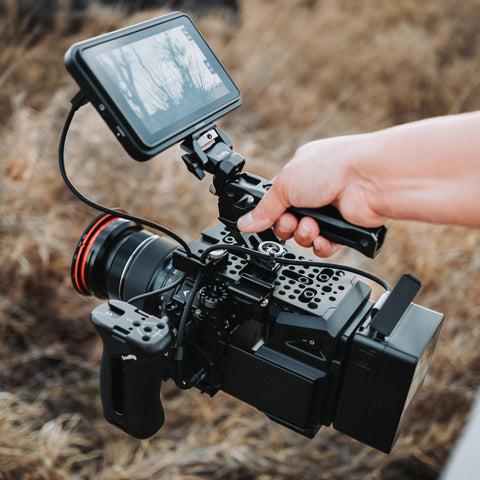
Understanding the Core Requirements of Film Equipment Cable
Film production environments demand cables that go beyond basic functionality. Every component must support high-performance signal transmission while remaining durable and flexible.
High Data Transmission Stability
Modern film systems rely on high-resolution video signals. Any instability can result in dropped frames, noise, or latency.
Connector Precision and Reliability
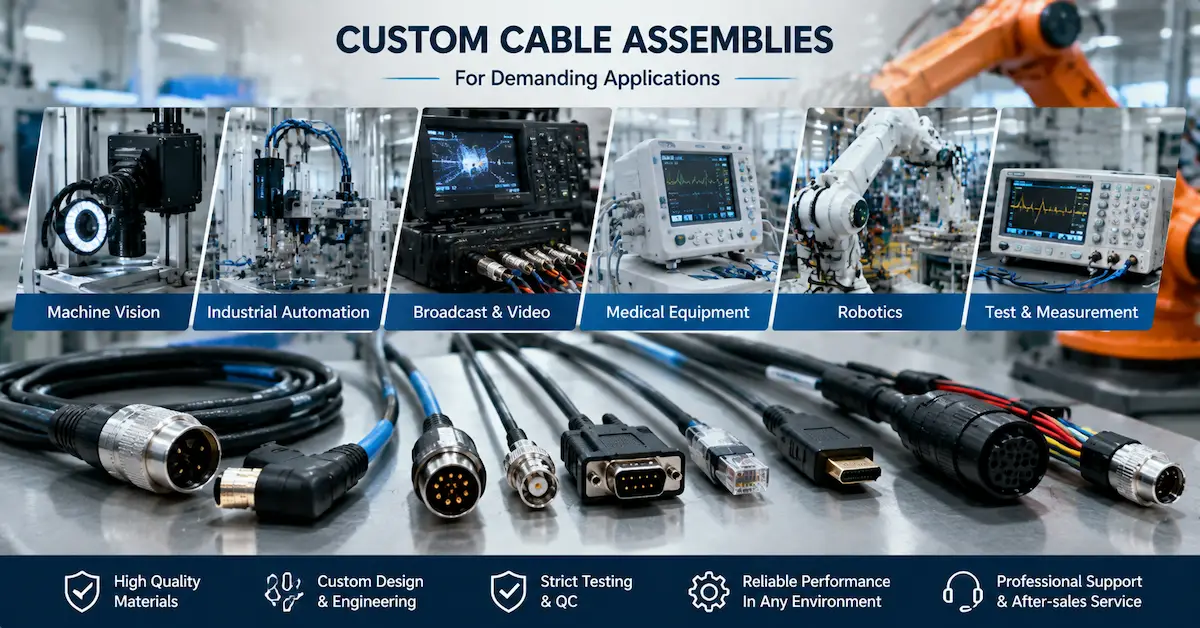
Professional equipment uses connectors such as LEMO, BNC, and specialized interfaces. Secure connections are essential for uninterrupted operation.
Flexibility and Movement Resistance
Cables are frequently bent, twisted, and repositioned during filming. Poor flexibility leads to early wear and signal issues.
A well-engineered film equipment cable ensures consistent performance under these demanding conditions.
Standard Cable vs Film Equipment Cable
| Parameter | Standard Cable | Film Equipment Cable |
|---|---|---|
| Signal Stability | Variable | High |
| Flexibility | Limited | Optimized |
| Connector Compatibility | General | Precise |
| Durability | Moderate | Strong |
| Application Suitability | Basic | Professional |
Unlike generic cables, a film equipment cable is designed specifically for production environments where performance cannot be compromised.
Engineering Solutions for Film Production Systems
Professional film setups require cables that integrate seamlessly with multiple devices. A high-quality film equipment cable solution includes:
- Signal-optimized cable structures
- High-performance shielding against interference
- Precision connector integration
- Flexible routing for complex rigs
To learn more about our engineering and production capabilities, visit
https://www.alvinscables.com/about-us
For available cable options and configurations, explore
https://www.alvinscables.com/products
Advantages of Professional Film Equipment Cable
Using a dedicated cable solution provides several key benefits:
- Stable signal transmission for high-resolution video
- Reduced interference in multi-device setups
- Enhanced durability under continuous use
- Improved flexibility for dynamic shooting environments
A properly designed film equipment cable improves both performance and workflow efficiency on set.
Typical Application Scenarios
Film equipment cables are widely used across different production environments:
Film and TV Production
- Camera rigs
- Studio setups
- On-location shooting
Broadcast Systems
- Multi-camera broadcasting
- Live streaming setups
- Control room connections
Mobile Production
- Outdoor filming
- Portable camera systems
- Event coverage
In all these scenarios, a reliable film equipment cable ensures consistent signal and operational stability.
How to Choose the Right Film Equipment Cable
Selecting the right cable requires evaluating several key factors:
- Signal requirements (resolution, data rate)
- Connector compatibility
- Flexibility and bending performance
- Environmental conditions
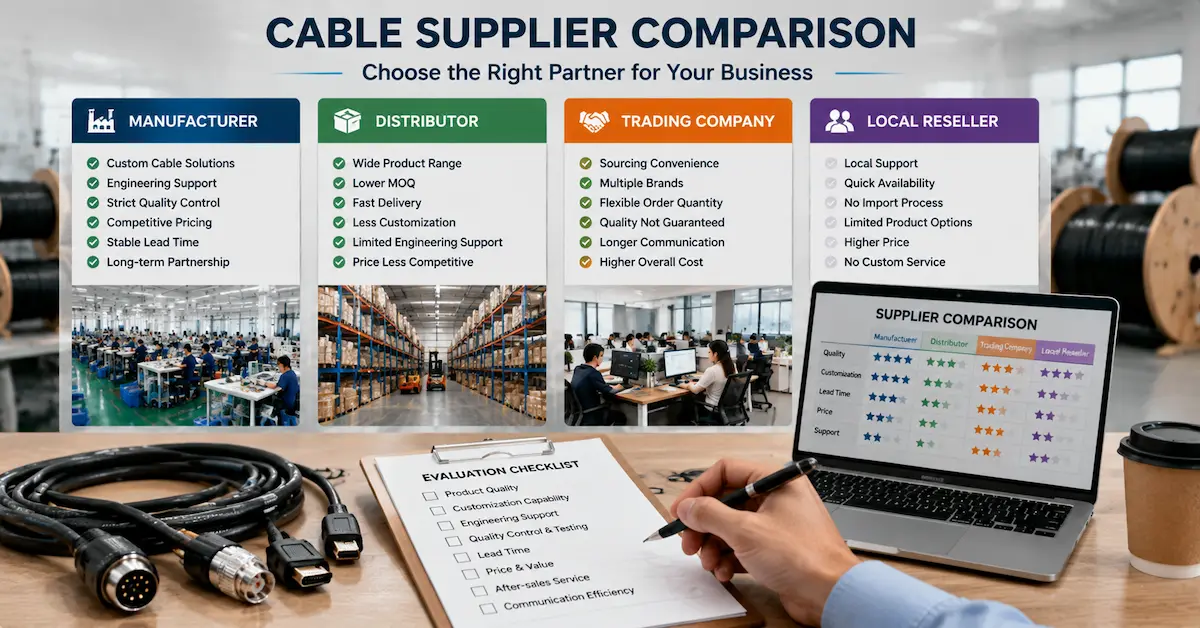
Working with an experienced supplier ensures the cable meets real production demands.
For more technical details, refer to
https://www.alvinscables.com/faqs
Frequently Asked Questions
Q1: Why are film equipment cables different from standard cables?
A: They are designed for high signal stability, flexibility, and durability in professional environments.
Q2: Can film equipment cables handle frequent movement?
A: Yes, they are engineered for bending and repositioning without performance loss.
Q3: How does cable quality affect filming results?
A: Poor cables can cause signal loss, interference, and reduced video quality.
Reliable Production Starts with the Right Cable Solution
In professional filming environments, reliable signal transmission is essential. A high-quality film equipment cable ensures consistent performance, reduces technical risks, and supports efficient production workflows.
To explore our full range of cable solutions, visit our homepage:
https://www.alvinscables.com/
For project consultation or custom requirements, contact us here:
https://www.alvinscables.com/contact-us
The right cable is not just an accessory—it is a critical part of production success.